
Artificial plants have gone from being a simple decorative accessory to becoming one of the most used elements in modern interior design. For years I thought that natural plants were the only option to create cozy spaces, but after trying different alternatives in my home and work areas, I discovered that today’s artificial plants have evolved a lot. Today there are models so realistic that many people do not distinguish if they are natural or artificial until they touch them.
In addition to providing visual freshness, they allow you to decorate any corner without worrying about irrigation, sunlight, pests or constant maintenance. That is why more and more interior designers use them in living rooms, offices, bathrooms, kitchens and even commercial spaces.
Why are artificial plants so fashionable?
The popularity of artificial decorative plants is no coincidence. The current trend seeks beautiful, functional and easy-to-maintain homes.
Among the main advantages are:
- They don’t need water.
- They do not require sunlight.
- They maintain their appearance all yearyear.
- They are ideal for people with little time.
- They do not attract insects.
- They work in any room.
- They are perfect for offices and businesses.
- There are incredibly realistic models.
I have often recommended artificial plants for spaces where natural plants simply do not survive, such as windowless bathrooms or dark corners of the living room.
Most popular types of artificial plants
Currently there is a huge variety of options for all decorative styles.
Large artificial plants
They are ideal for filling empty spaces and providing visual presence.
Some of the most used are:
- Artificial ficus.
- Artificial palm.
- Artificial Monstera.
- Artificial bamboo.
- Artificial olive tree.
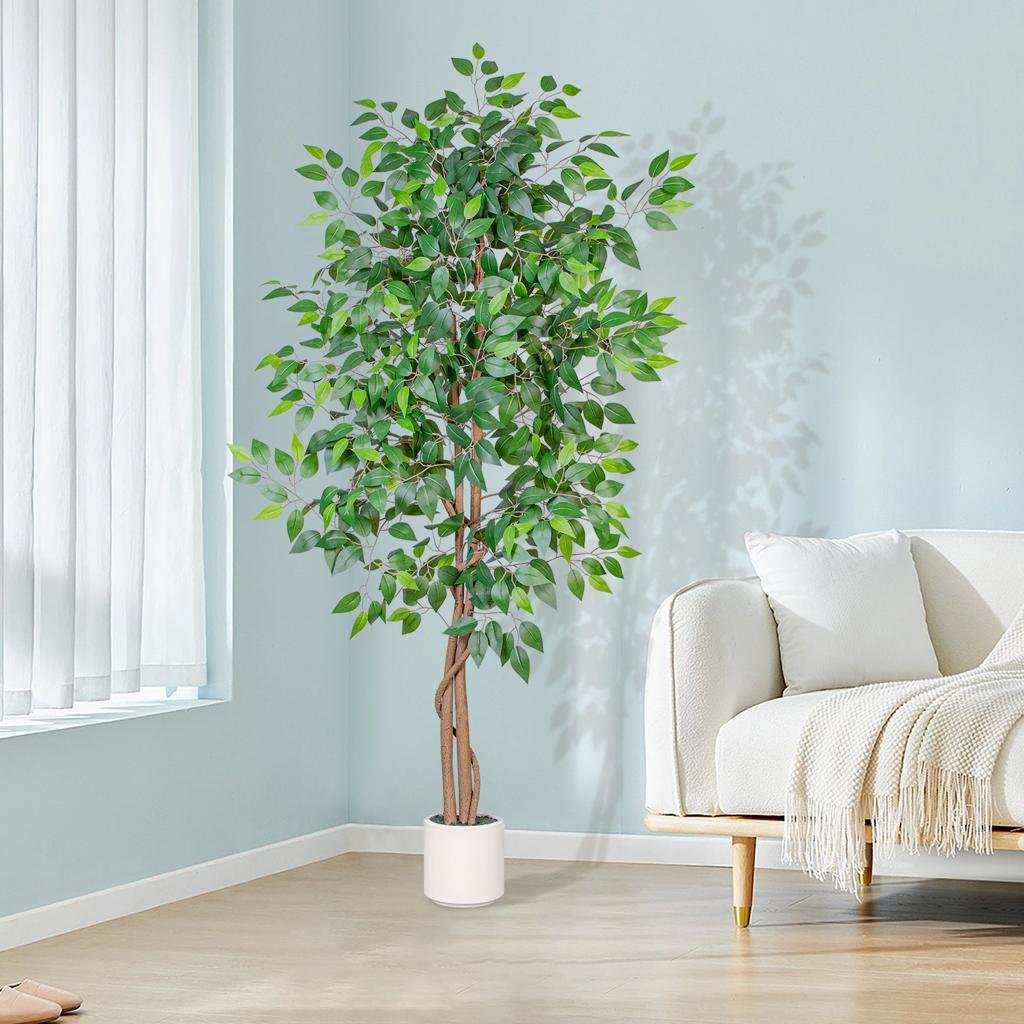

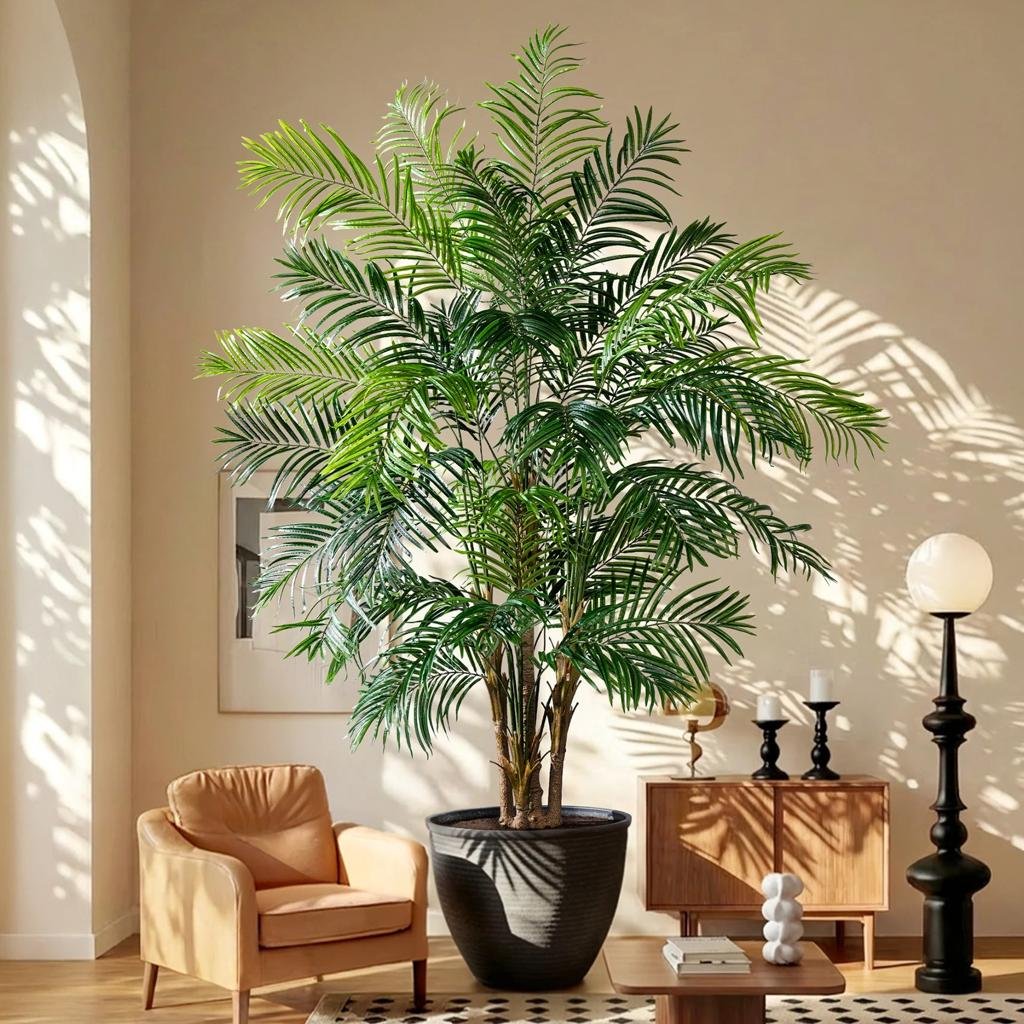
These plants work especially well next to sofas, empty corners or main entrances.
Small artificial plants
Perfect for:
- Desks.
- Shelving.
- Side tables.
- Kitchens.
- Bathrooms.
Their size allows them to be easily integrated without cluttering the space.
Artificial Hanging Plants
Hanging plants are among the biggest current decorative trends.
The most searched are:
- Artificial ivy.
- Artificial eucalyptus.
- Artificial ferns.
- Artificial pothos.
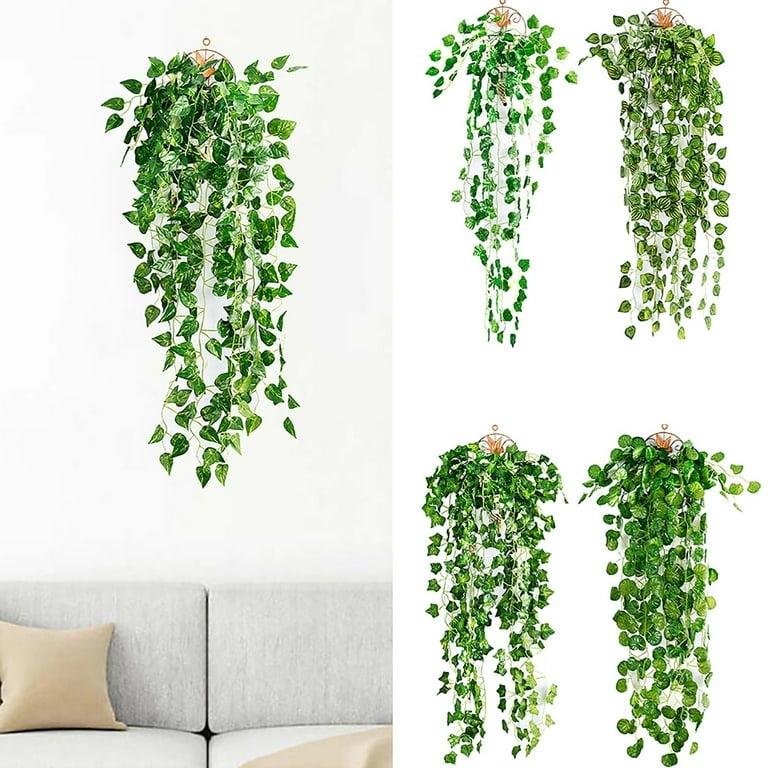
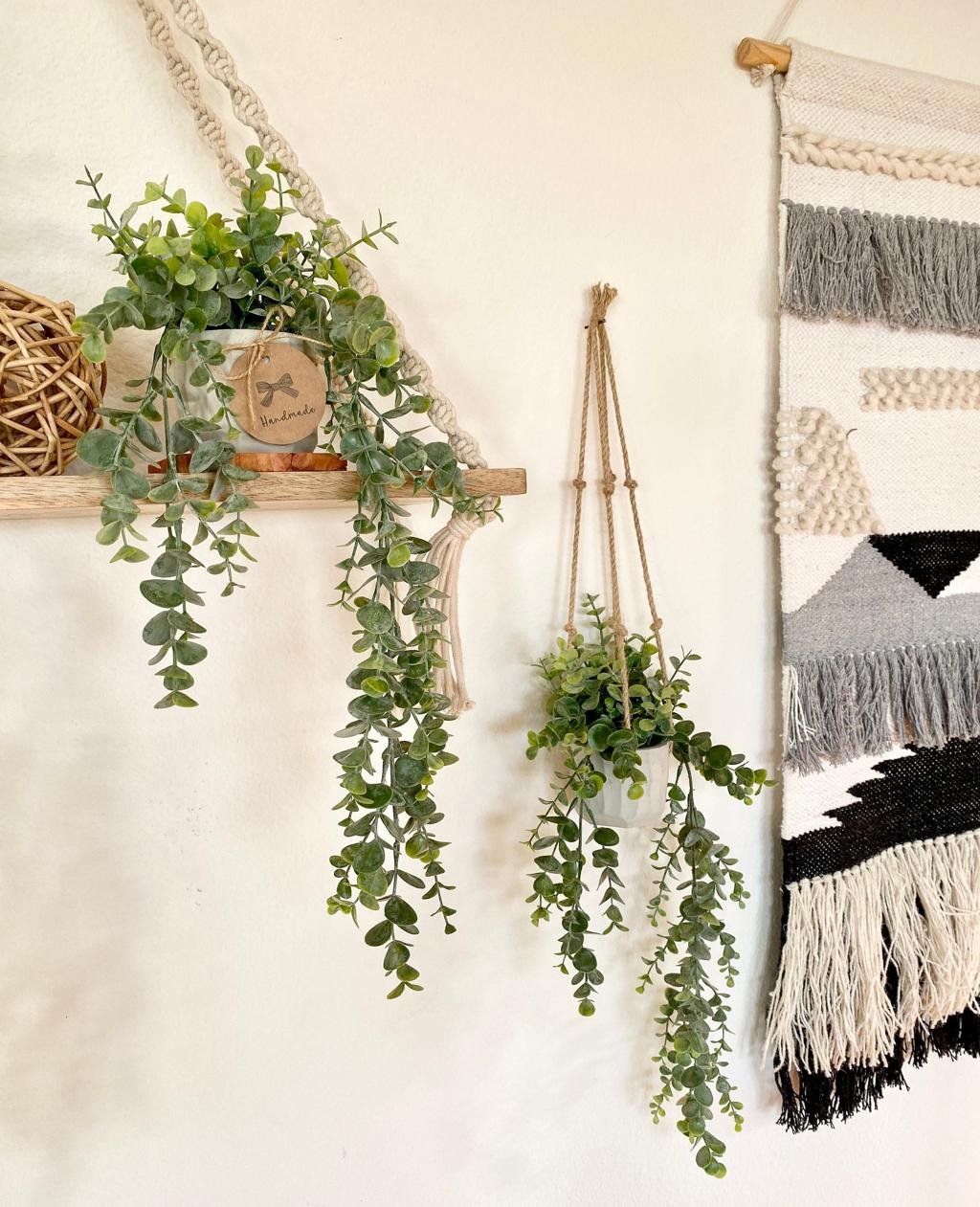

Personally I really like them to give a feeling of nature in small apartments where every meter counts.
How to Choose Artificial Plants That Look Real
Not all artificial plants offer the same level of realism.
When I go to buy one, I usually pay attention to several important details.
Sheet quality
The best plants present:
- Color variations.
- Natural textures.
- Imperfect edges.
- Different shades of green.
Completely uniform leaves tend to look less realistic.
Manufacturing materials
The most common materials are:
- Silk.
- Polyester.
- premium PVC.
- Latex.
Latex options are usually the most realistic on the market.
Decorative pots
A trick that I always recommend is to change the original pot.
Place the plant in:
- Ceramic pots.
- Natural fiber baskets.
- Cement pots.
- Modern flower pots.
Makes the end result look much more authentic.
Artificial plants for every space in the house
Living room
The living room is usually the ideal place to incorporate large plants.
Best options include:
- Palm trees.
- Monsteras.
- Ficus.
- Decorative olive trees.
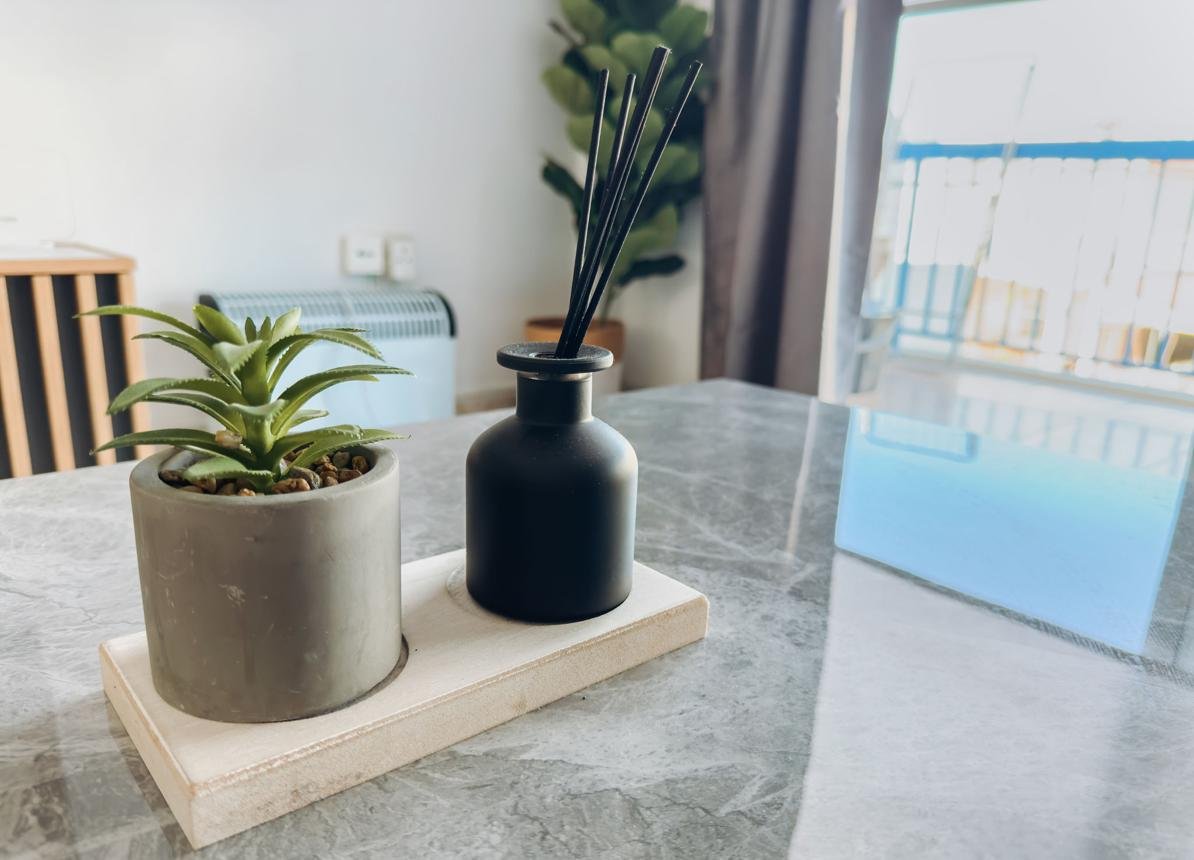
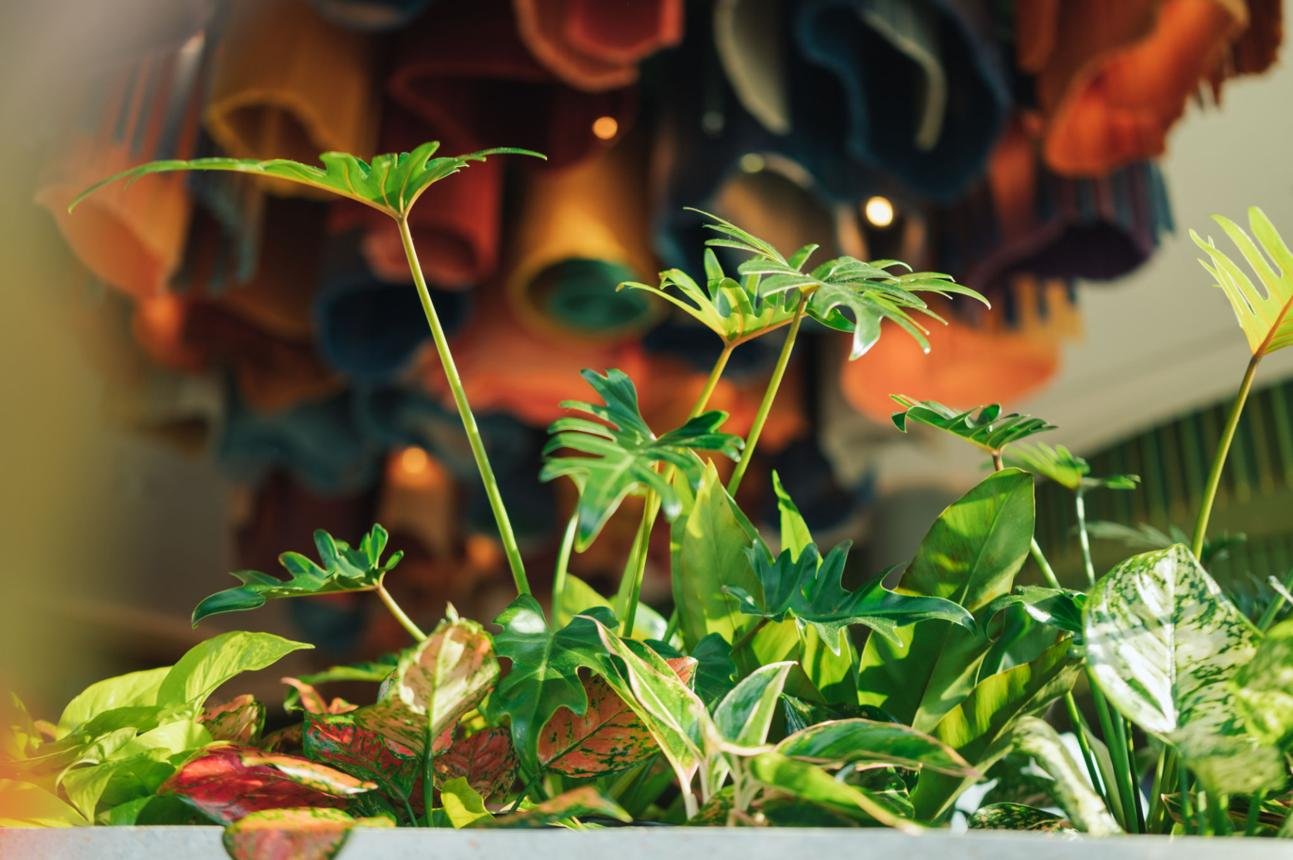

A large plant next to the sofa can completely transform the feel of the space.
Bedroom
In the bedroom I recommend more discreet models.
For example:
- Artificial lavender.
- Artificial eucalyptus.
- Decorative succulents.
They help create atmospheres relaxing maintenance-free.
Bathroom
Here the artificial plants shine especially.
Bathrooms usually have:
- Little natural light.
- High humidity.
- Small spaces.
That’s why artificial options are a perfect solution.
Kitchen
Modern kitchens take advantage of:
- Artificial grasses.
- Small decorative cacti.
- Hanging plants.
They provide color without interfering with daily tasks.
Trends in artificial plants for 2026
Decoration is constantly evolving and artificial plants are no exception.
Tropical style
Large leaves continue to dominate the trends.
Among the favorites we find:
- Monstera.
- Kentia palm.
- Bird of paradise.
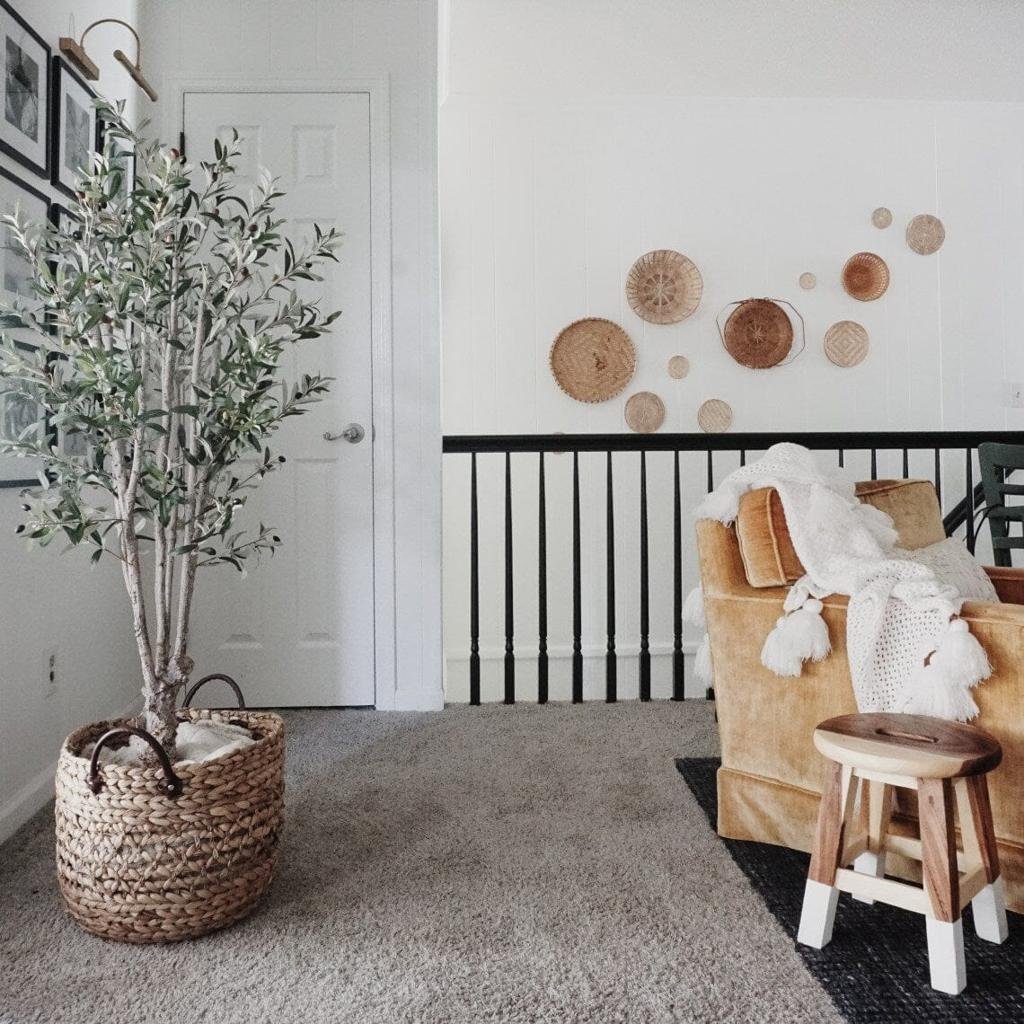
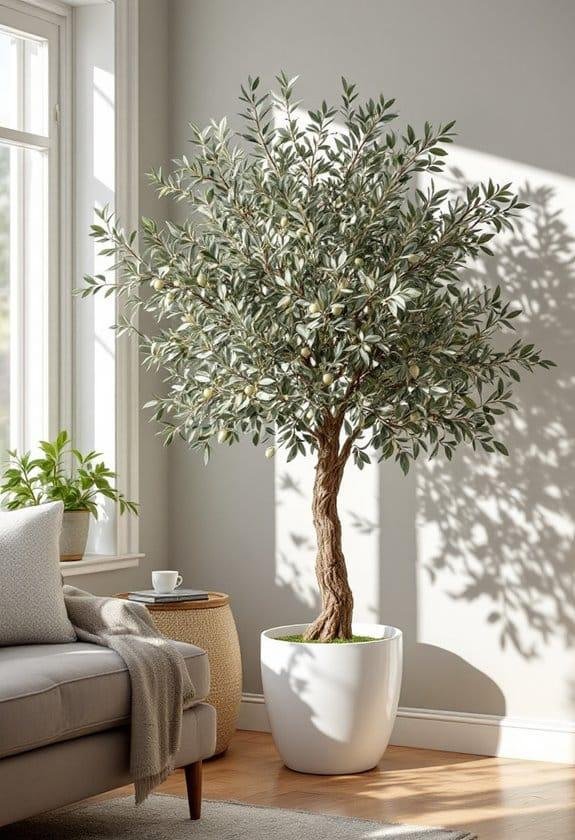
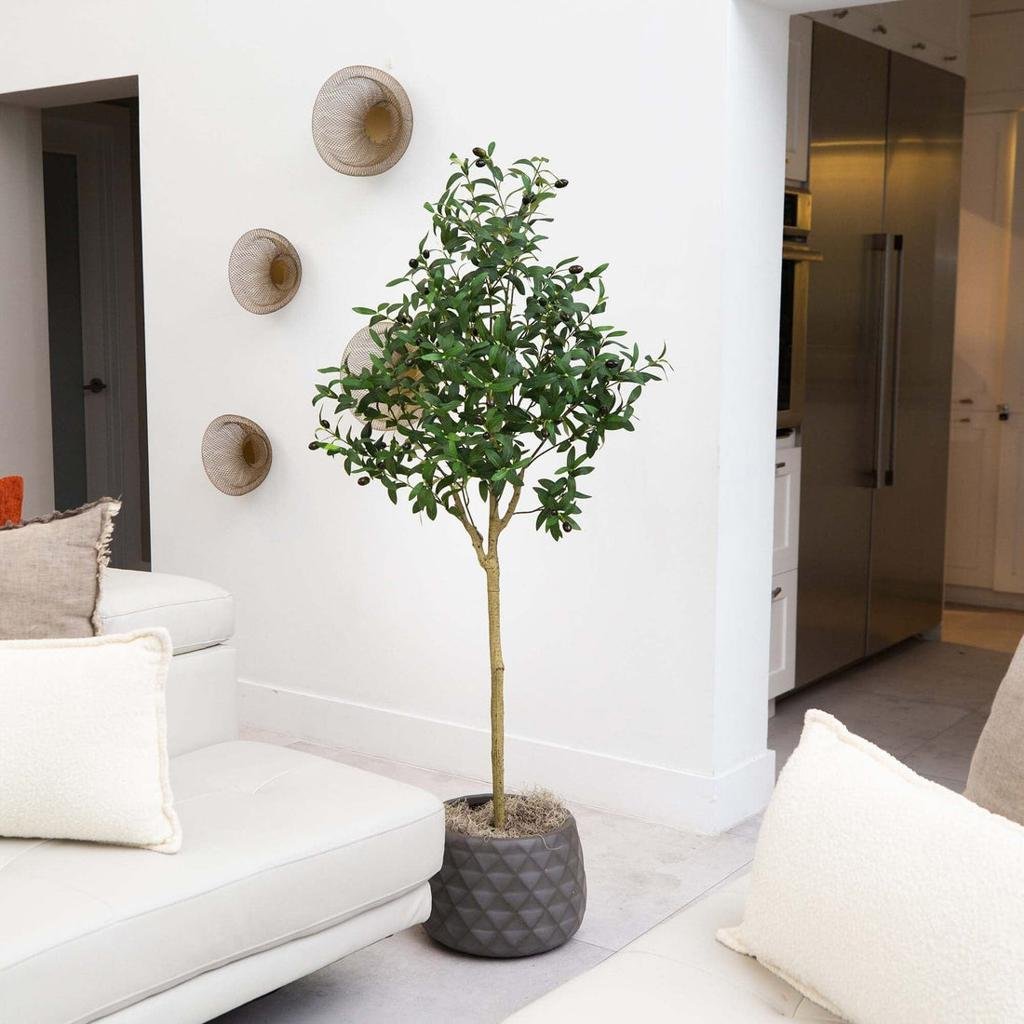
Artificial olive trees
They have become a true obsession within Mediterranean design.
Artificial vertical gardens
Increasingly used for:
- Terraces.
- Offices.
- Restaurants.
- Modern living rooms.
They allow you to create spectacular green walls without maintenance.
How to cleanchirp and maintain artificial plants
Although they do not require complex care, basic maintenance is advisable.
Weekly cleaning
Uses:
- Duster.
- Microfiber cloth.
- Compressed air.
Monthly deep cleaning
You can use:
- Warm water.
- Mild soap.
- Damp cloth.
Avoid aggressive chemicals that can deteriorate the color.
Ideas to decorate with artificial plants
After experimenting with different decorative styles, these are some combinations that have given me the best results.
Create different heights
Combine:
- Plants high on the ground.
- Medium plants on tables.
- Small plants on shelves.
This adds visual depth.
Group several plants
Three plants together usually generate more visual impact than one alone.
For example:
- Large monstera.
- Medium fern.
- Small succulent.
Mix natural materials
Combine plants with:
- Wood.
- Rattan.
- Linen.
- Ceramics.
The result is much warmer and more welcoming.
Errors to avoid
Buy too cheap models
Differences in quality are usually noticeable immediately.
Saturate the decoration
More plants do not always mean better decoration.
Ignore scale
A plant that is too small can be visually lost in large spaces.
Use unattractive pots
The flowerpot is a fundamental part of the decorative set.
Frequently Asked Questions about Artificial Plants
Do artificial plants look real?
Modern high-quality models can be extremely realistic, especially those made from latex or premium materials.
Where to place artificial plants?
Virtually any space:
- Living rooms.
- Bedrooms.
- Offices.
- Bathrooms.
- Kitchens.
- Shops.
How long do artificial plants last?
With proper maintenance they can be preserved for many years while maintaining their original appearance.
Are they better than natural ones?
It depends on the needs of each person. If you are looking for zero maintenance and always a perfect appearance, artificial plants offer very interesting advantages.
What artificial plant is currently most fashionable?
The most popular are:
- Artificial Monstera.
- Artificial olive tree.
- Artificial palm.
- Artificial eucalyptus.
- Artificial vertical gardens.
A small change that transforms any space
If I have learned anything decorating different environments, it is that it is not always necessary to carry out major renovations to achieve a spectacular result. On many occasions, a good selection of artificial plants manages to provide life, balance and a feeling of well-being immediately.
Whether it’s a large palm tree in the living room, an elegant artificial olive tree in the entryway, or simple hanging plants in the bathroom, these decorative pieces can become the detail that takes a room from looking empty to feeling completely finished. And the best of all is that they will continue to look perfect day after day, regardless of the season of the year.