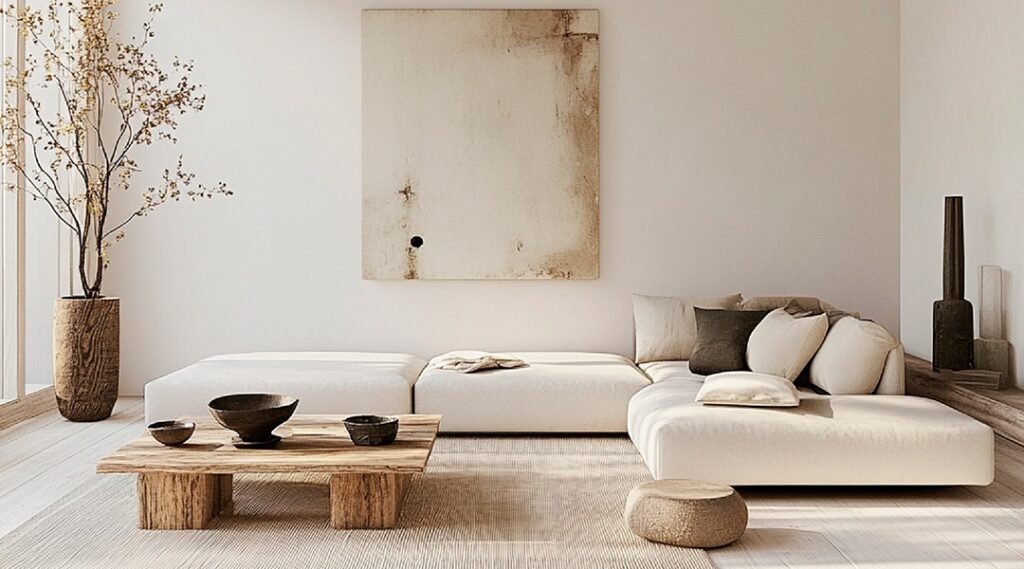
The minimalist style is much more than a decorative trend. For me, it represents a way of understanding spaces and, to a certain extent, everyday life. I remember when I was trying to decorate my house by adding more and more items because I thought an empty room looked boring. However, over time I discovered something curious: many times a well-designed space needs fewer things, not more.
That is precisely the essence of minimalism. Eliminate what is unnecessary to highlight what is really important. Far from being a cold or impersonal style, modern minimalist design seeks balance, functionality and visual harmony.
Currently, the minimalist style is one of the most popular trends in architecture, interior design and home decoration thanks to its ability to create bright, organized and timeless environments.
What is minimalist style?
The minimalist style is a design trend based on simplicity and functionality.
His philosophy can be summarized in a well-known idea:
“Less is more”
This concept seeks to reduce decorative elements to the essential,eliminating visual excess and prioritizing utility.
The main characteristics of minimalism include:
- Clear spaces.
- Simple lines.
- Neutral colors.
- Functional furniture.
- Limited decoration.
- Visual order.
- Use of natural light.
The interesting thing is that minimalism is not about living surrounded by empty walls, but about carefully choosing each element.
Fundamental principles of minimalist style
Before decorating any room, it is important to understand the pillars of this philosophy.
Functionality first and foremost
Each object must fulfill a clear function.
That’s why they tend to disappear in minimalist spaces:
- Unnecessary decorations.
- Redundant furniture.
- Useless accessories.
Visual order
One of the aspects that most attracted me to minimalism was the feeling of tranquility that organized spaces generate.
Visual disorder usually produces a feeling of chaos, while order conveys calm.
Quality over quantity
It is preferable to have a few well-selected elements than many incoherent objects.

Characteristics of the modern minimalist style
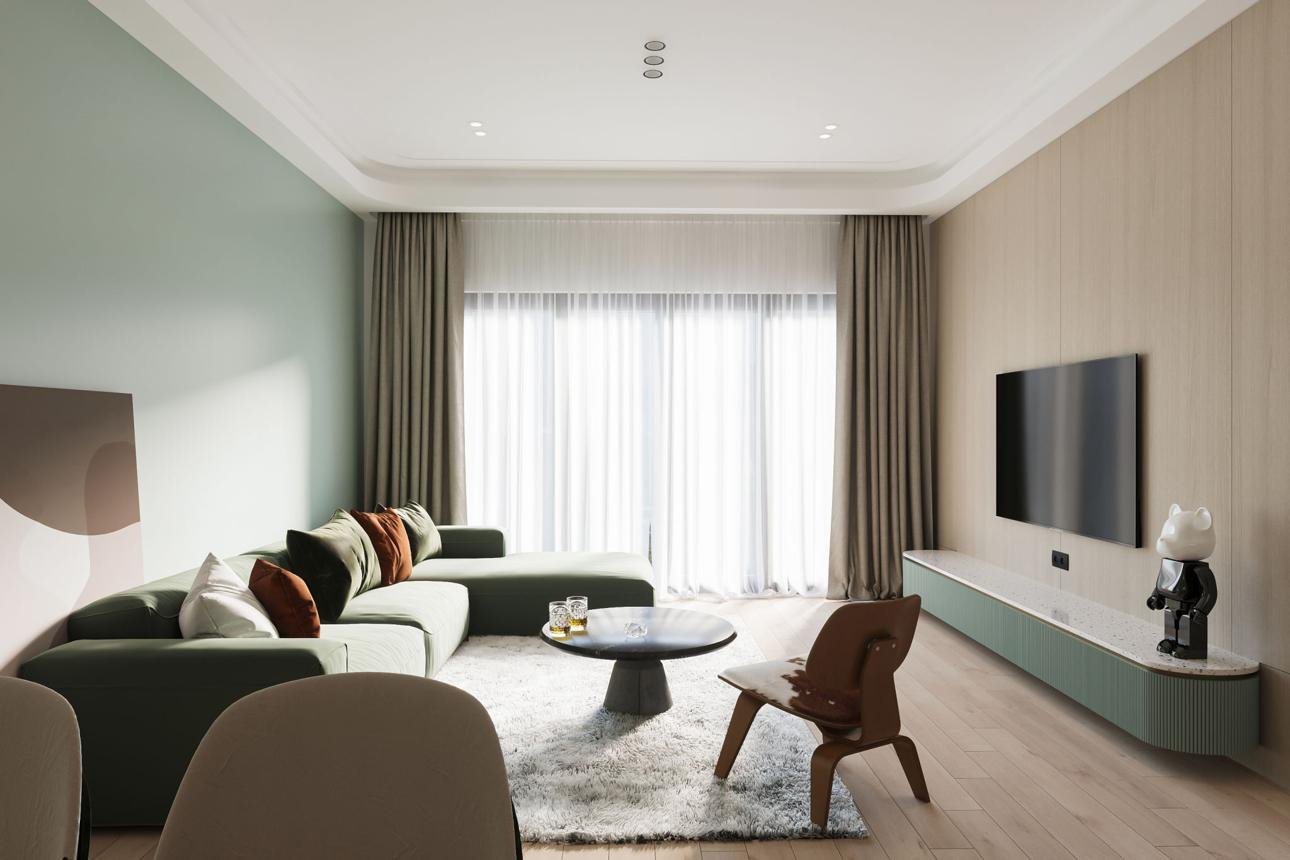
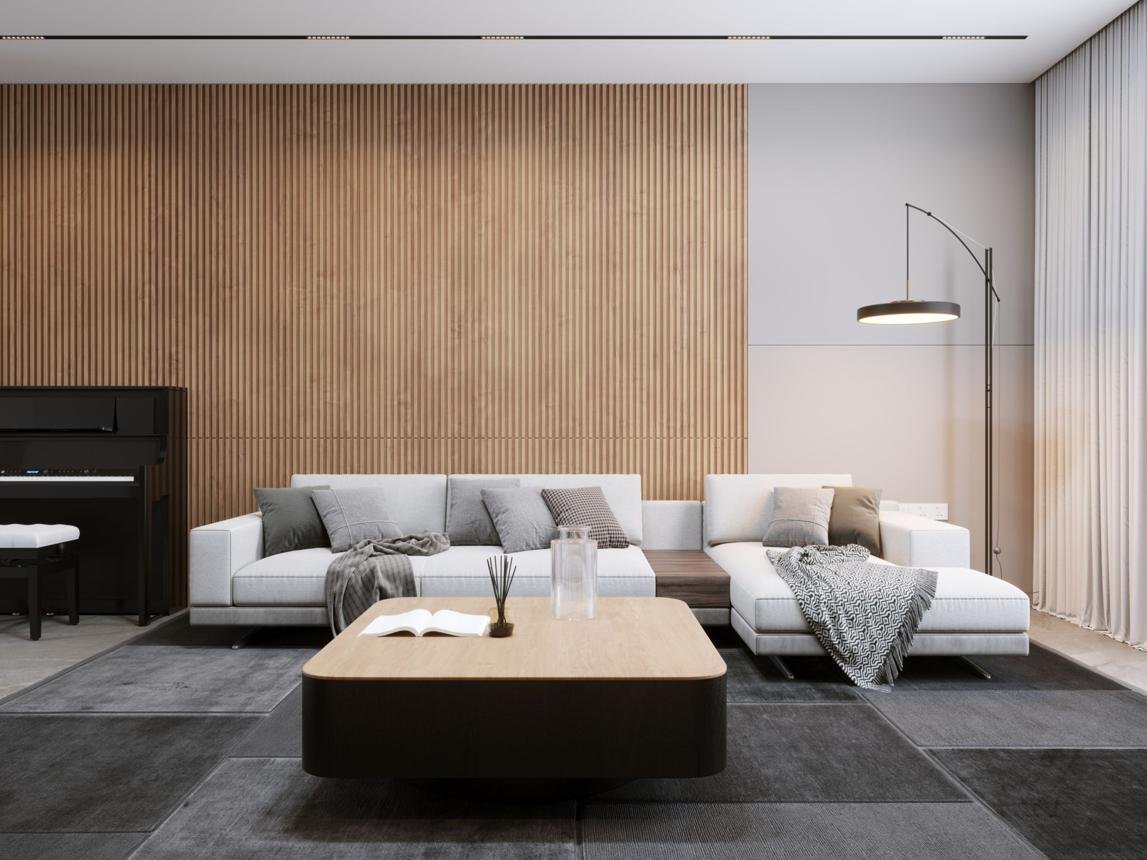
Although there are different interpretations, most minimalist interiors share certain characteristics.
Clean lines
Furniture usually presents:
- Simple geometric shapes.
- Smooth surfaces.
- Absence of excessive ornamentation.
Open spaces
Visual breadth is a priority.
That’s why they are common:
- Open kitchens.
- Integrated rooms.
- Fluid distributions.
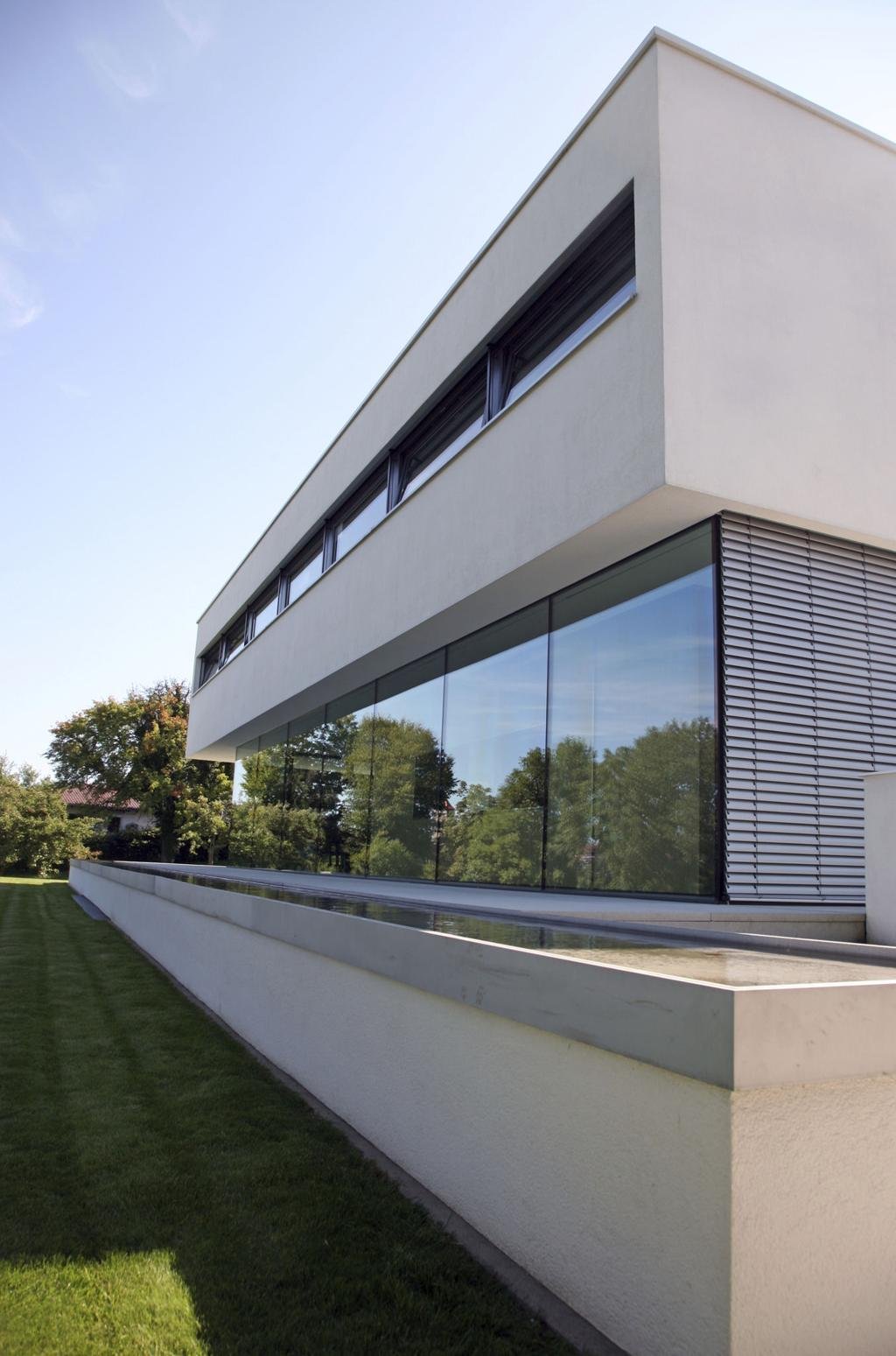
Natural light
Good lighting is essential.
Whenever possible, the following are used:
- Large windows.
- Light curtains.
- Clear spaces.
Colors used in the minimalist style
The color palette plays a fundamental role.
White
It is the color mmore representative of minimalism.
Advantages:
- Reflects light.
- Visually expand spaces.
- Generates a feeling of cleanliness.
Gray
Perfect for adding depth without losing elegance.
Beige and sand tones
Increasingly used in warm minimalism.
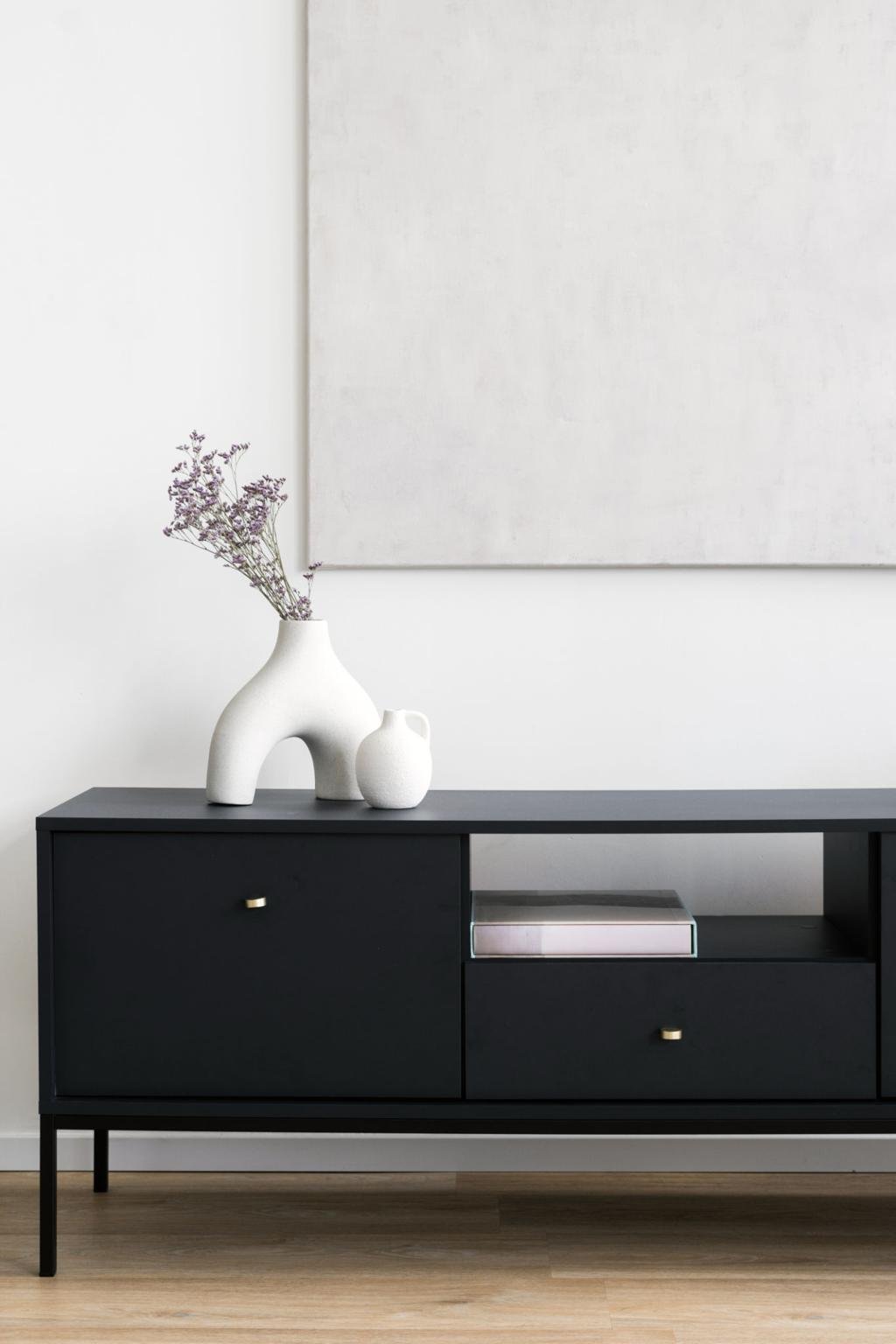
Black as accent
It is used to generate contrast and highlight certain elements.
Ideal furniture for minimalist decoration
Furniture must combine functionality and design.
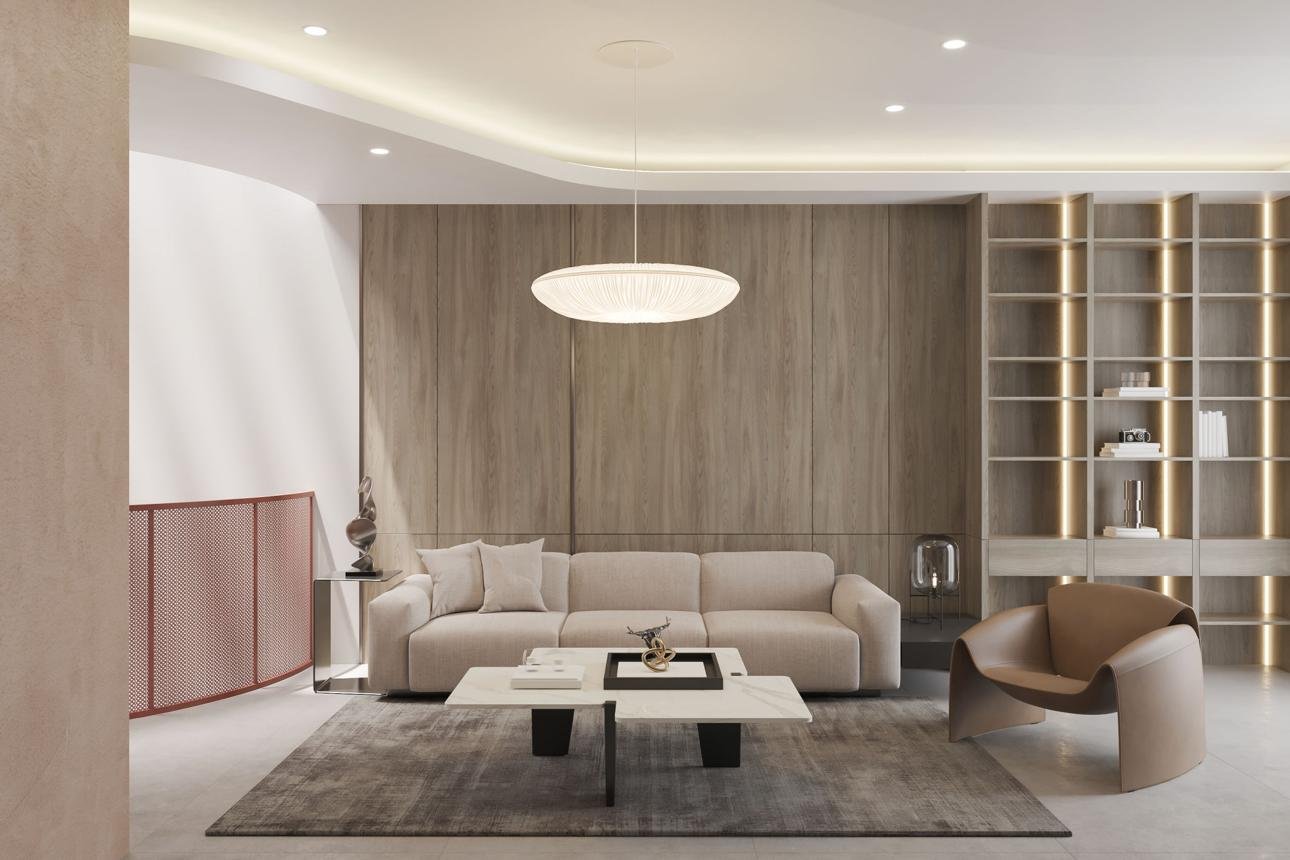
Straight line sofas
They are one of the mostusual.
Minimalist models usually opt for:
- Neutral tones.
- Simple designs.
- Maximum comfort.
Functional tables
Clear surfaces are a constant.
Hidden Storage Systems
They help maintain visual order.
Simple design beds
Clean and discreet structures predominate in minimalist bedrooms.
How to decorate a living room with a minimalist style
The living room is usually the best place to apply this philosophy.
Remove unnecessary
This is probably the most important tip.
Before adding elements, ask yourself:
- Is this useful?
- Does it provide visual value?
- Does it fit with the set?
Prioritize quality
An excellent sofa usually provides more than multiple decorative accessories.
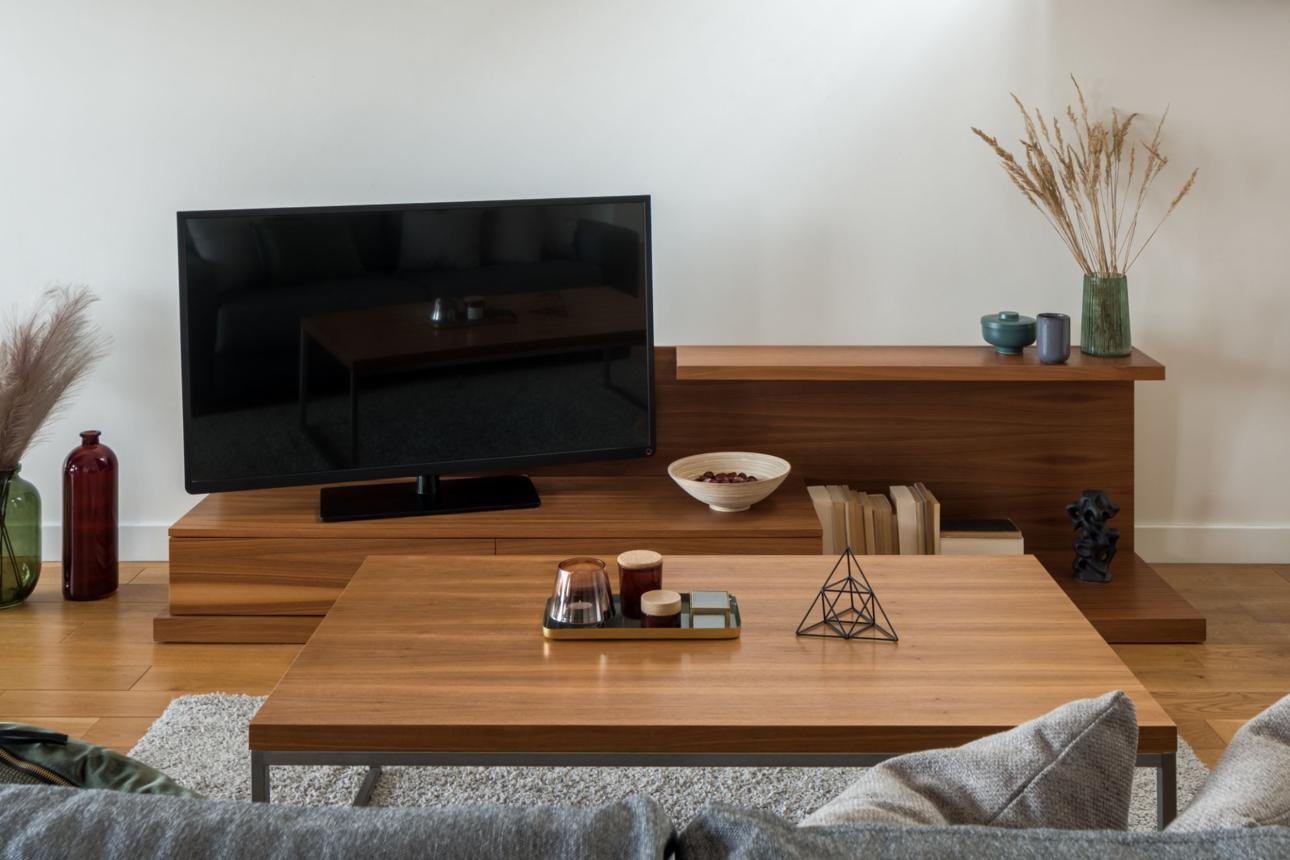
Introduce textures
To avoid too cold environments I recommend using:
- Linen.
- Lana.
- Natural wood.
- Cotton.
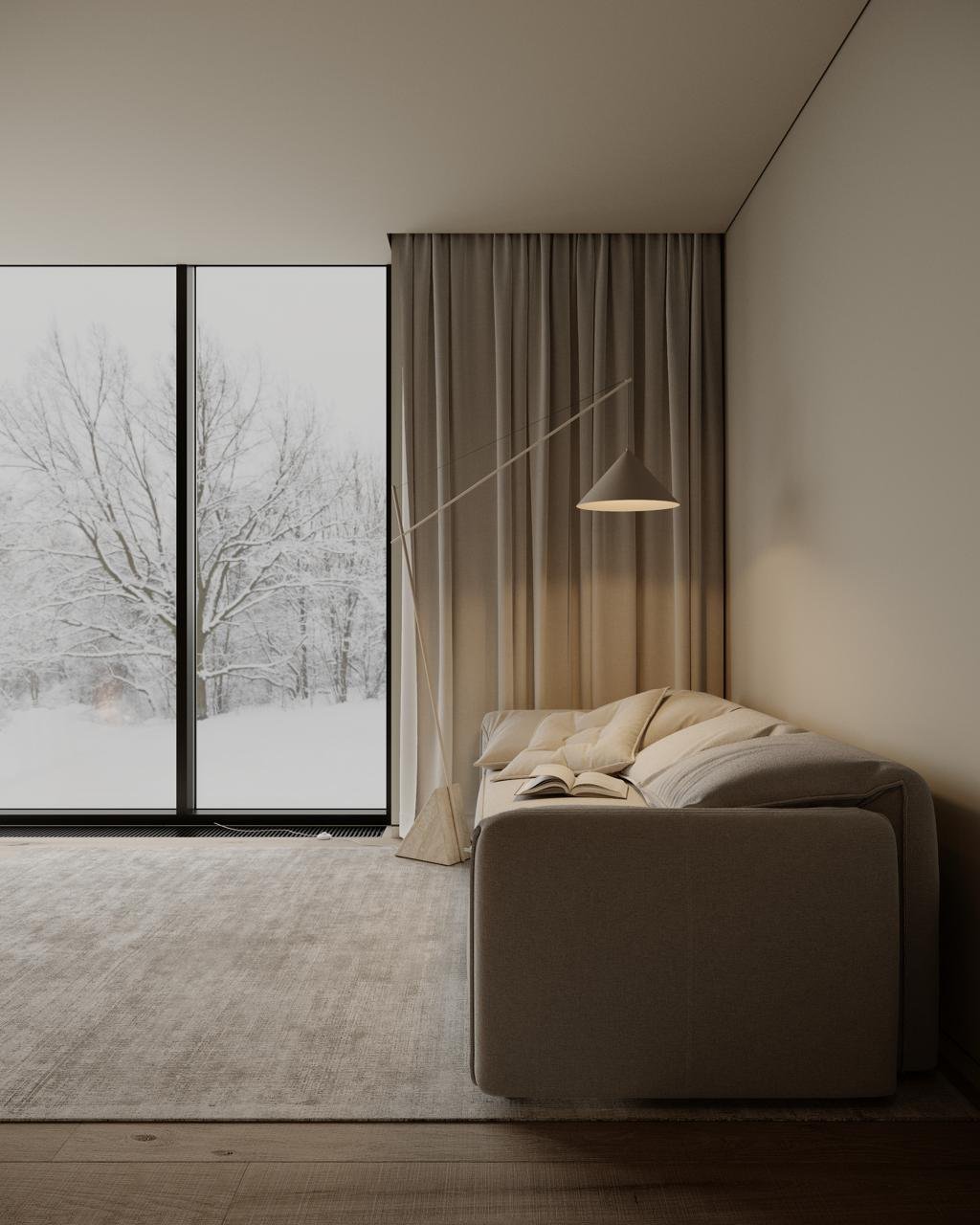
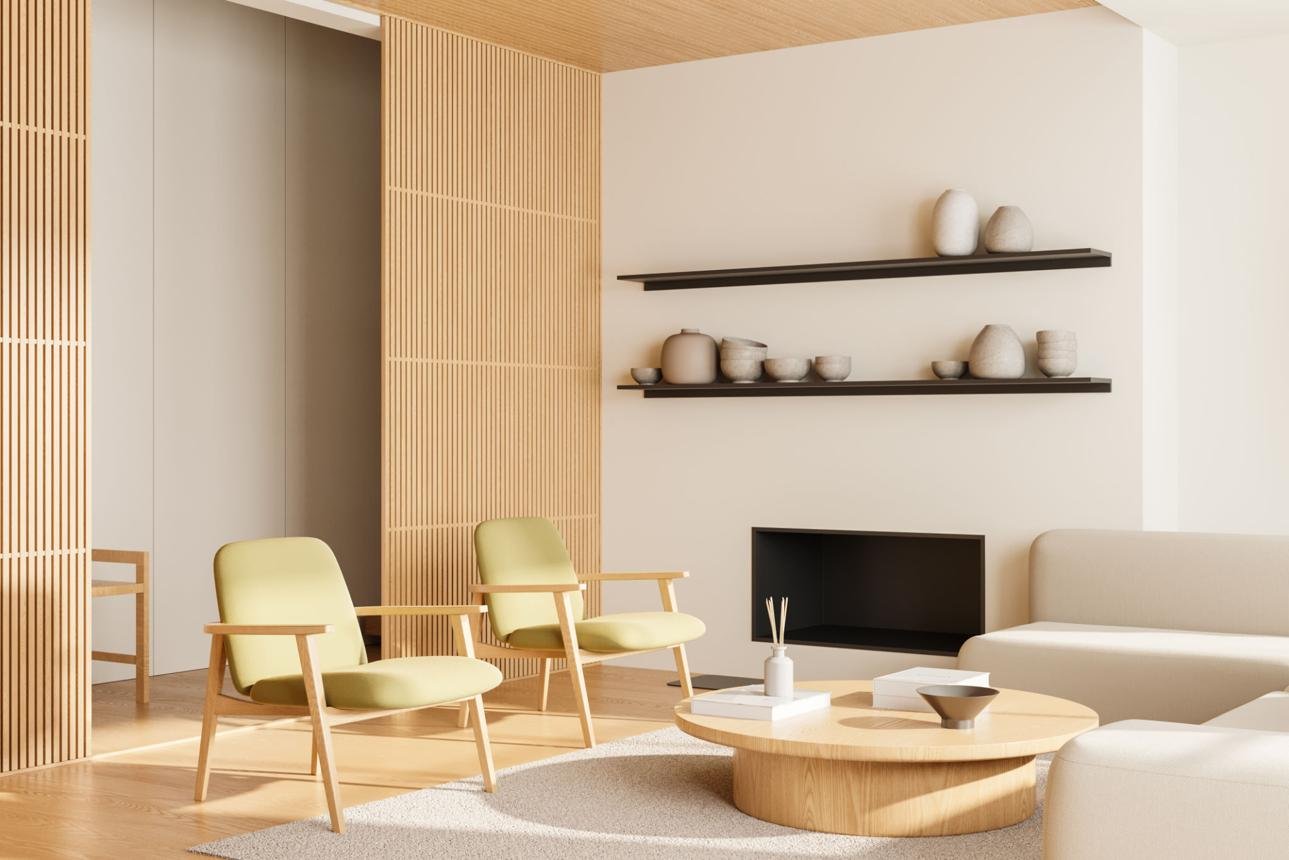
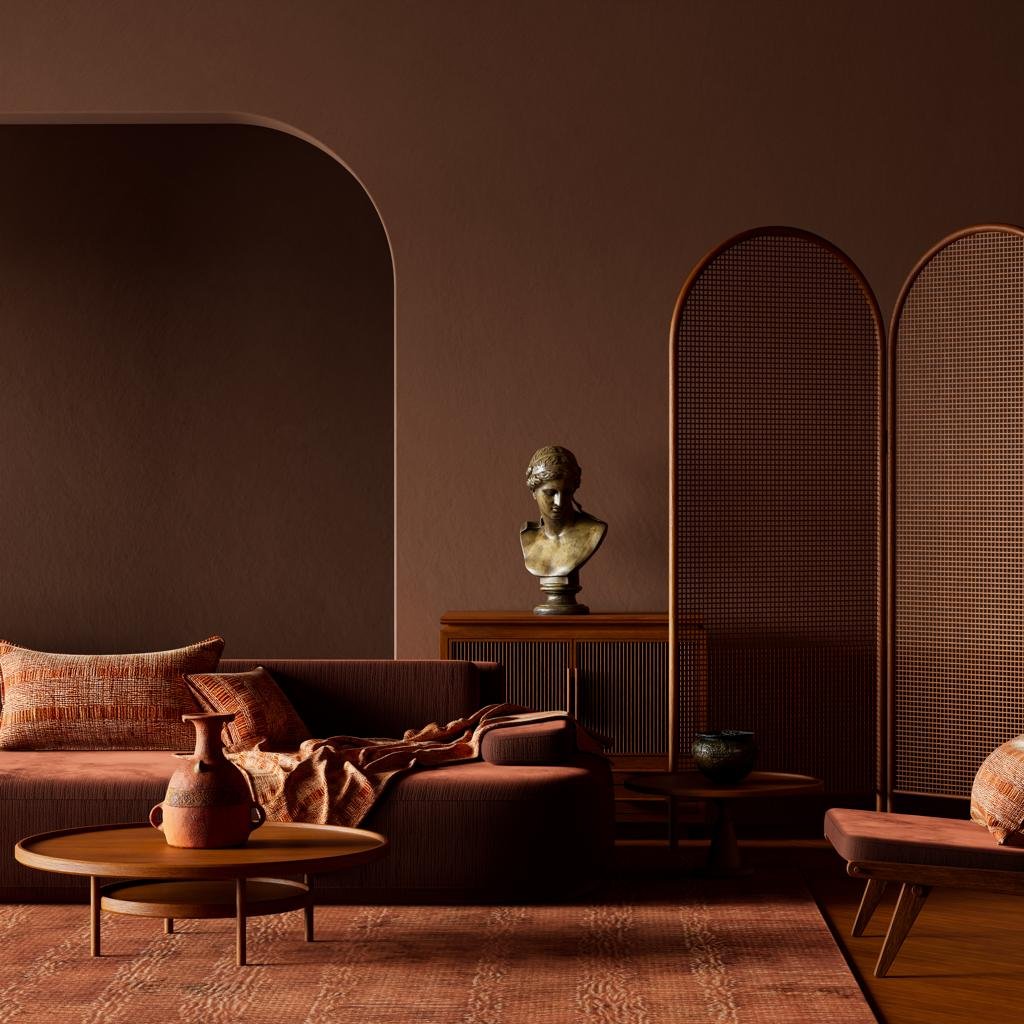
Warm minimalism: the most popular evolution
One of the most interesting changes in recent years has been the rise of warm minimalism.
This trend combines:
- Simplicity.
- Natural materials.
- Soft colors.
- Cozy environments.
Personally, it is the variant that I like the most because it maintains the minimalist essence without being excessively cold.
Minimalist bedrooms to rest better
Bedrooms are one of the spaces where the benefits of minimalism are most appreciated.
Less visual stimuli
A clear environment promotes relaxation.
Neutral palette
Soft colors help create a calm atmosphere.
Limited decoration
A few carefully selected pieces are usually enough.
Minimalist style in modern kitchens
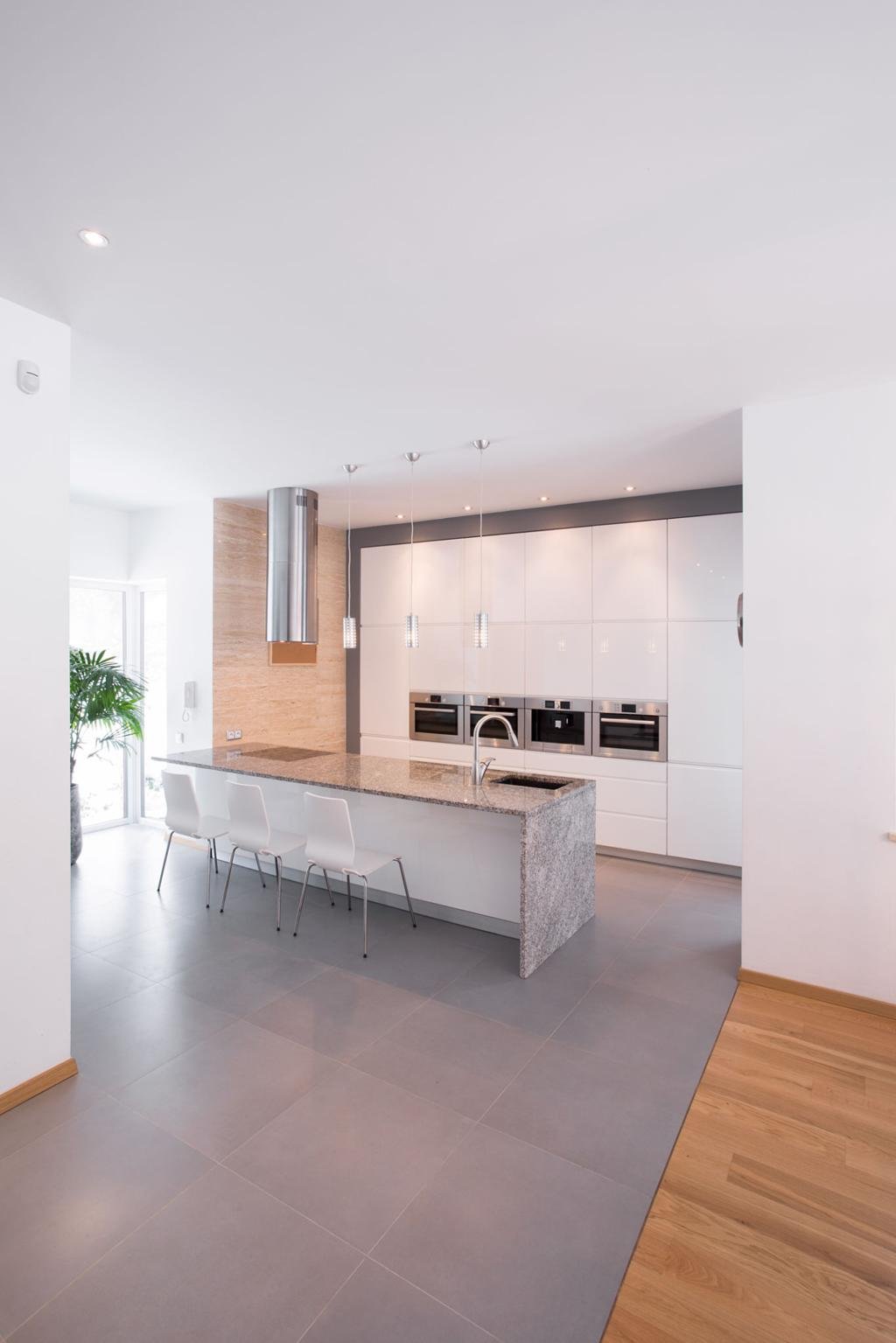
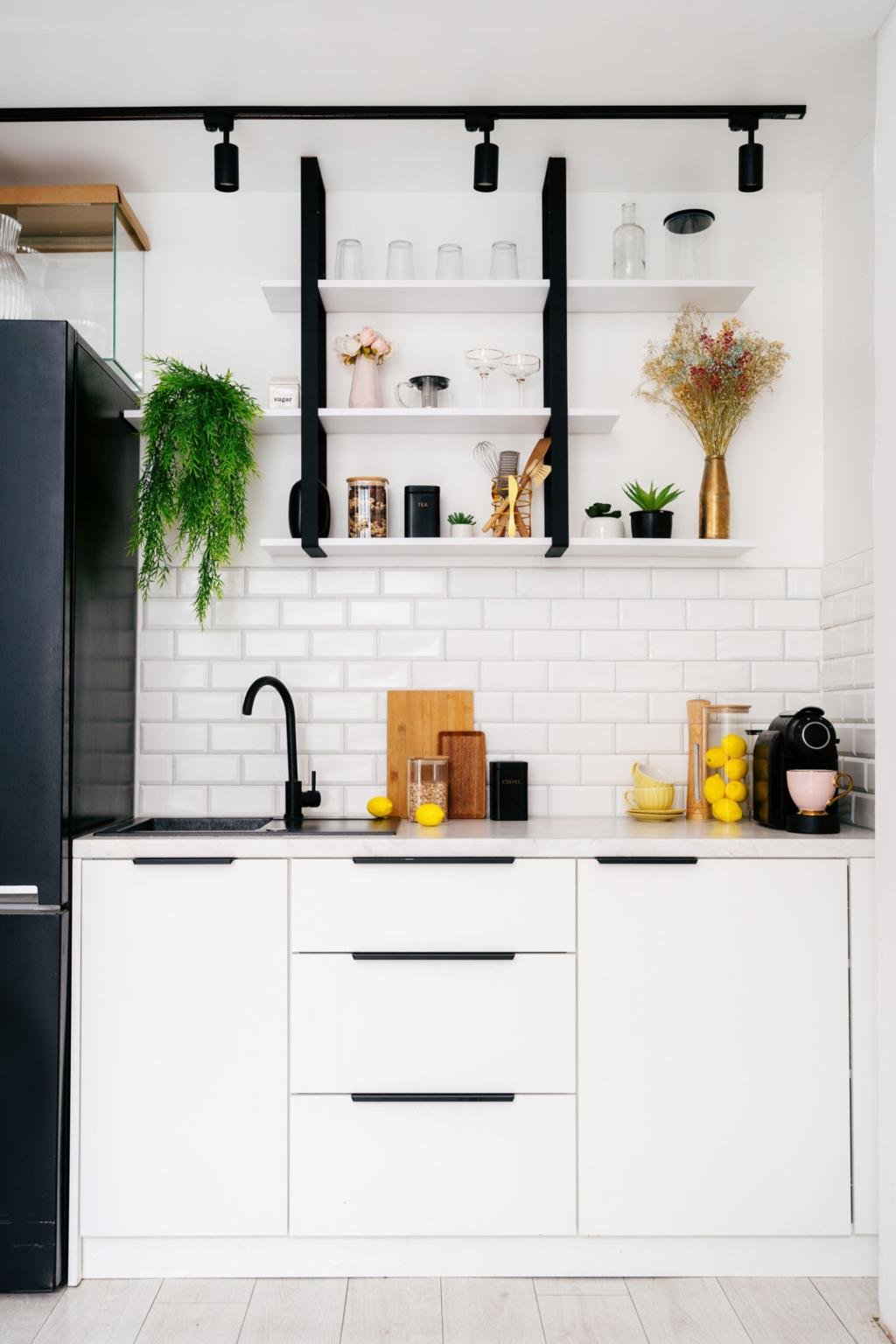
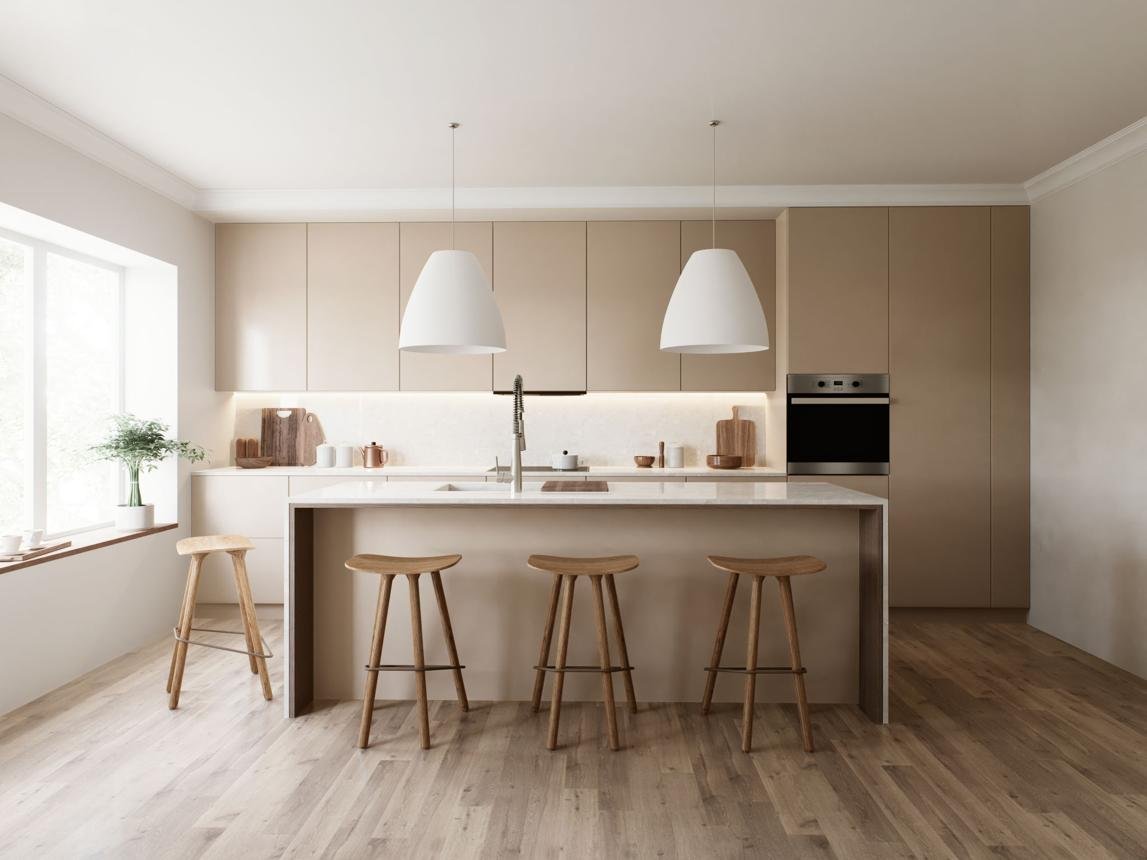
Minimalist kitchens stand out for their visual cleanliness.
Integrated cabinets
Helpto hide everyday items.
Clear surfaces
Functionality is priority.
Integrated appliances
They help maintain a uniform appearance.
Advantages of the minimalist style
After experimenting with different decorative styles, these are some of the advantages that I value most.
Sensation of spaciousness
Even small spaces appear larger.
Greater organization
It is easier to maintain order.
Less visual stress
Clear environments usually convey tranquility.
Timeless design
Minimalism rarely goes out of style.
Minimalist trends for 2026
Minimalism continues to evolve.
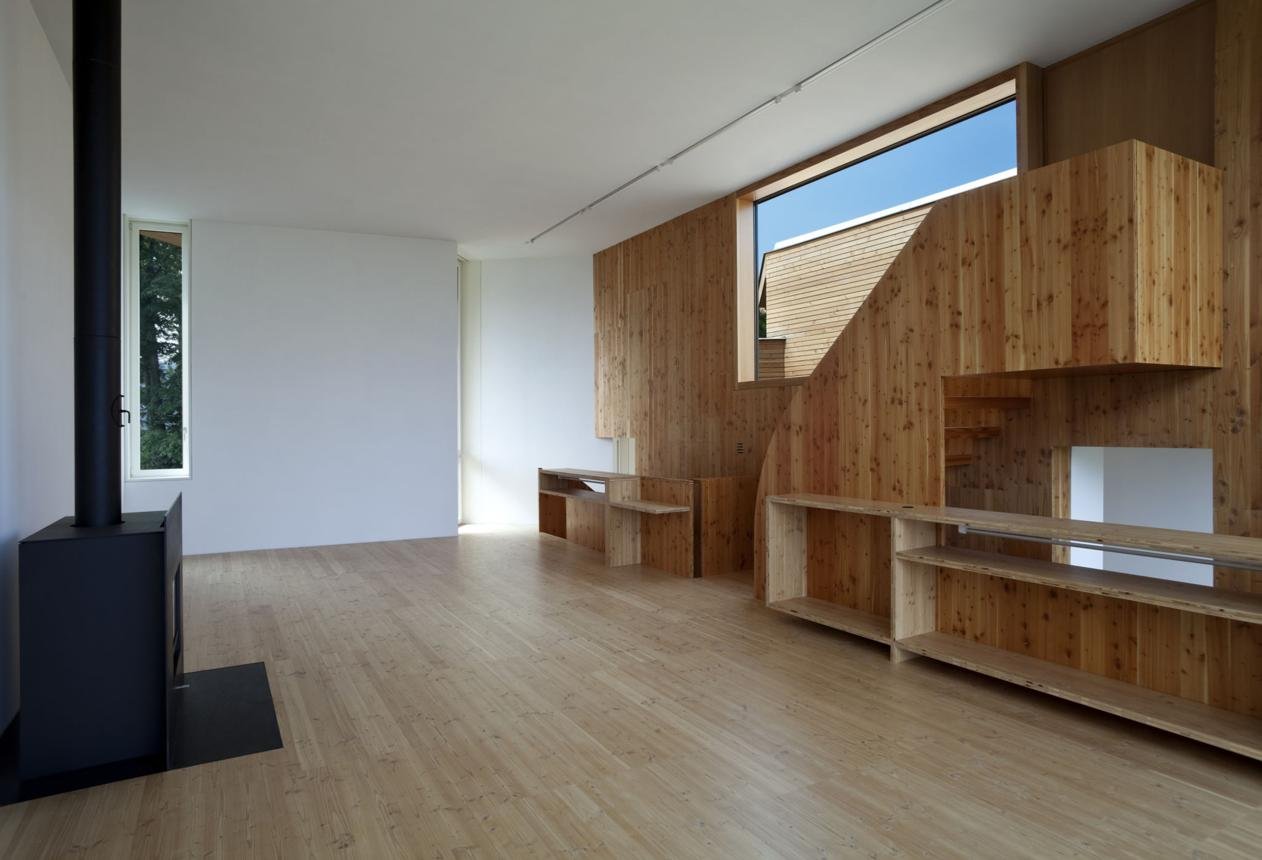
Organic minimalism
Combine simple lines with natural materials.
Earth colors
Warm tones are replacing pure white in many projects.
Sustainable design
More and more people are betting on:
- Durable furniture.
- Recycled materials.
- Responsible consumption.
Integrated Technology
Home automation is discreetly integrated into the design.
Common errors when decoratingr with minimalist style
Confusing minimalism with emptiness
A minimalist space still needs personality.
Only use white color
The variety of textures and tones is important.
Ignore comfort
Functionality should never sacrifice comfort.
Buying furniture that is too small
Proportion remains essential.
Minimalist Style FAQ
What does minimalist style mean?
It is a design philosophy based on eliminating the unnecessary to highlight the essential.
What colors predominate in minimalism?
White, grey, beige, sand and black as contrast.
Is the minimalist style still in fashion?
Yes. It continues to be one of the trendsmost influential companies in decoration and interior design.
Can it be combined with other styles?
Perfectly. In fact, it is usually mixed with Nordic, Japanese and contemporary styles.
Does minimalism work in small spaces?
Yes. It is one of the most recommended styles for homes with few square meters.
When less really means more
Something I learned over time is that minimalism is not about giving up the things you like, but about surrounding yourself only with those that really add value. A well-designed minimalist space doesn’t feel empty; it feels balanced.
The rooms gain spaciousness, the decoration breathes better and each element takes on greater prominence. Whether through neutral colors, functional furniture or a cleaner layout, the minimalist style demonstrates that elegance often arises precisely when we stop trying to fill every corner and start valuing the space itself.