
Large plants have the ability to transform a room in a way that few decorative elements can. For years I thought that to achieve an elegant living room you needed expensive furniture or major renovations. However, after decorating different spaces and experimenting with dozens of species, I discovered that a single large, well-placed plant can become the absolute protagonist of any environment.
Whether a large monstera, a lush palm tree or an elegant ficus, these plants provide height, volume, color and a feeling of connection with nature that is difficult to match. Plus, many of them are surprisingly easy to care for.
If you are looking for the best large plants for indoors or outdoors, this guide will help you choose the ideal option for your home.
Why decorate with large plants?
Large plants are not only beautiful. They also fulfill a strategic decorative function.
Among its main advantages are:
- They fill empty spaces.
- They create visual focal points.
- They provide a feeling of spaciousness.
- They improve the general aesthetics of the home.
- They help divide open environments.
- They add verticality to the decoration.
- They generate a more natural and relaxing atmosphere.
Personally, I always recommend starting with one large plant rather than purchasing several small accessories. The visual impact is usually much greater.
How to choose the best large plant for your home
Before purchasing a large plant it is worth analyzing some important factors.
Amount of available light
Each species has different needs.
For example:
- Monsteras prefer bright indirect light.
- Palm trees tolerate some shade.
- Ficus needs a lot of lighting.
Available space
AA large plant must have enough space to grow and look properly.
Avoid placing it:
- Glued to furniture.
- Blocking hallways.
- In front of main windows.
Maintenance level
Some plants require more attention than others.
If you are looking for simple options, the best alternatives are usually:
- Kentia.
- Zamioculca.
- Sansevieria.
- Dracena.
The best large plants for indoors
These are the most popular species in modern decoration.
Monstera Deliciosa
The famous Adam’s Rib remains one of the most desired plants.
Advantages:
- Huge, decorative leaves.
- Tropical look.
- Relatively fast growth.
- Great visual presence.
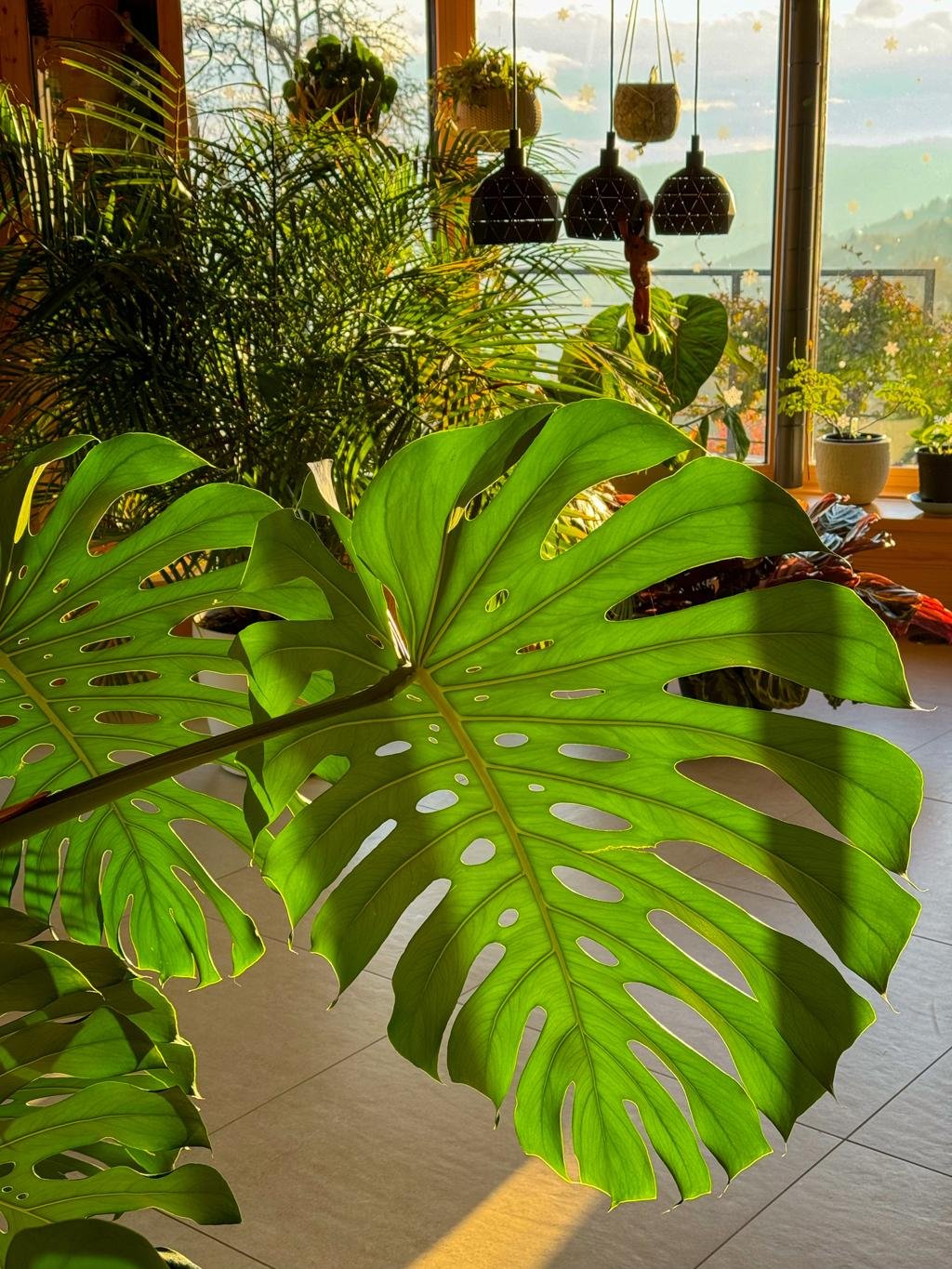


The first time I incorporated a large monstera into the living room, the rest of the decor practically stopped caring.
Ficus Lyrata
Also known as Fiddle Leaf Ficus.
Featured by:
- Large, shiny leaves.
- Elegant appearance.
- Contemporary style.
- High rise.
It is one of the favorite plants of interior designers.
Bird of the Paground
If you are looking for a tropical aesthetic, few species generate so much impact.
Features:
- Huge leaves.
- Vertical growth.
- Exotic appearance.
- Spectacular presence.
Large palm trees for modern interiors
Palm trees continue to be a strong trend in decoration.
Kentia Palm
One of the most resistant.
Benefits:
- Easy maintenance.
- Natural elegance.
- Interior adaptation.
Areca Palm
Widely used in large rooms.
Contributes:
- Tropical feel.
- Visual lightness.
- Large volume.
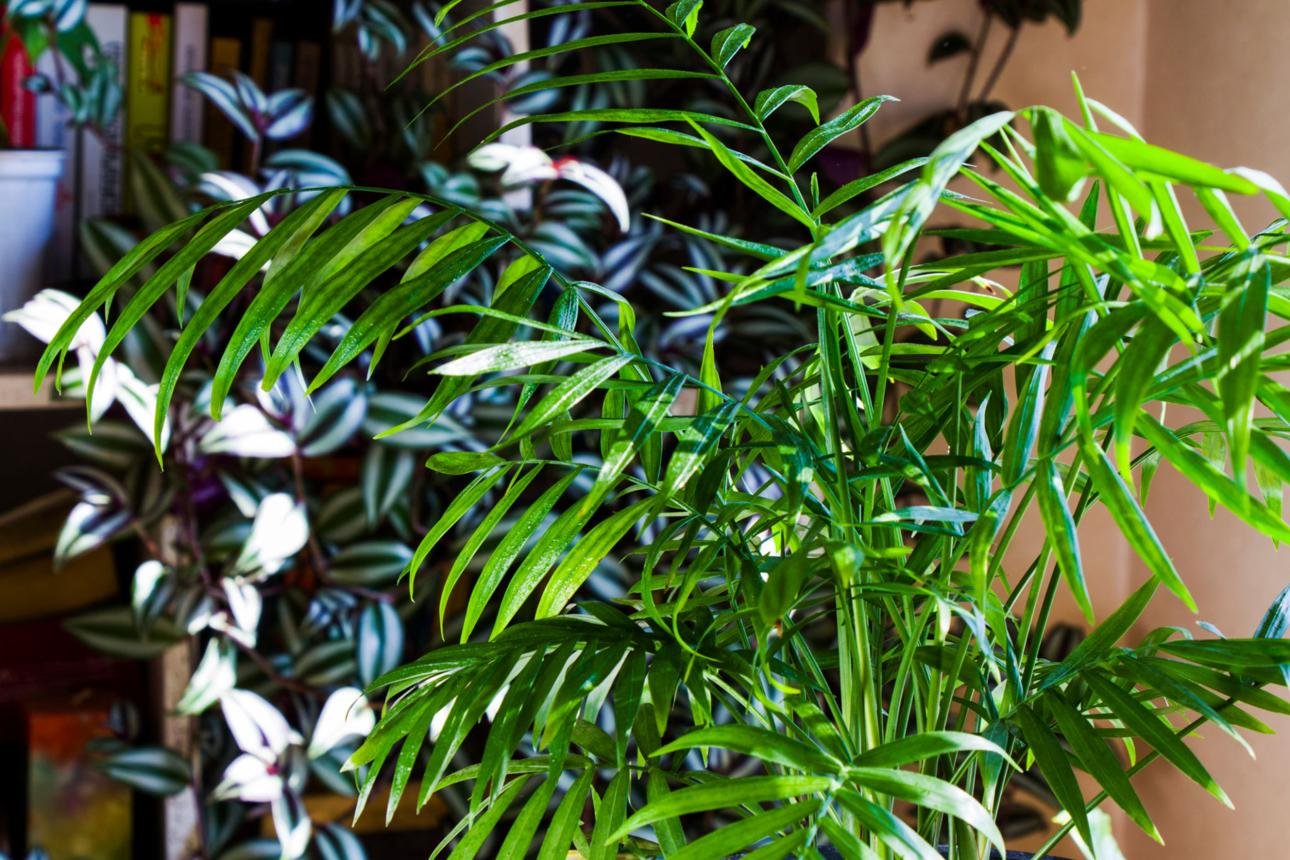
Bamboo Palm
Perfect for:
- Empty corners.
- Offices.
- Relaxing spaces.


Large Hardy Plants for Beginners
Not all large plants require experience.
Giant Zamioculca
Virtually indestructible.
Advantages:
- Tolerates little light.
- Little irrigation.
- Slow growth.
- Elegant appearance.
Sansevieria Alta
Ideal for those who often forget to water.
Featured by:
- Extreme resistance.
- Modern design.
- Minimal maintenance.
Dracena Marginata
An excellent alternative for contemporary interiors.
Large plants for outdoors
If you have a terrace, patio or garden, there are impressive options.
Olive
Increasingly popular.
Reasons:
- Mediterranean style.
- Great durability.
- Elegant appearance.
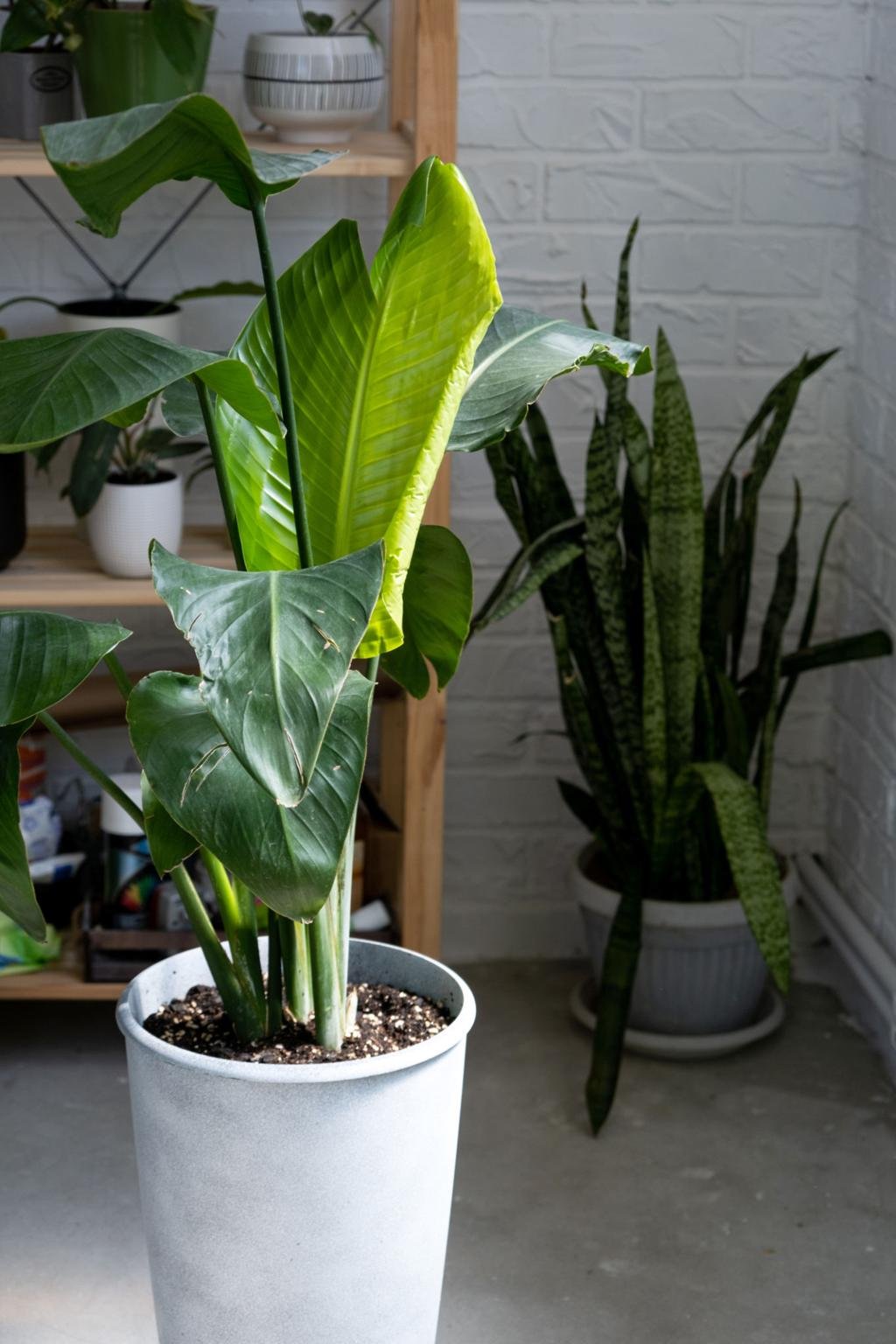
Strelitzia Nicolai
Oneauthentic ornamental jewel.
Features:
- Giant leaves.
- Tropical presence.
- Spectacular growth.
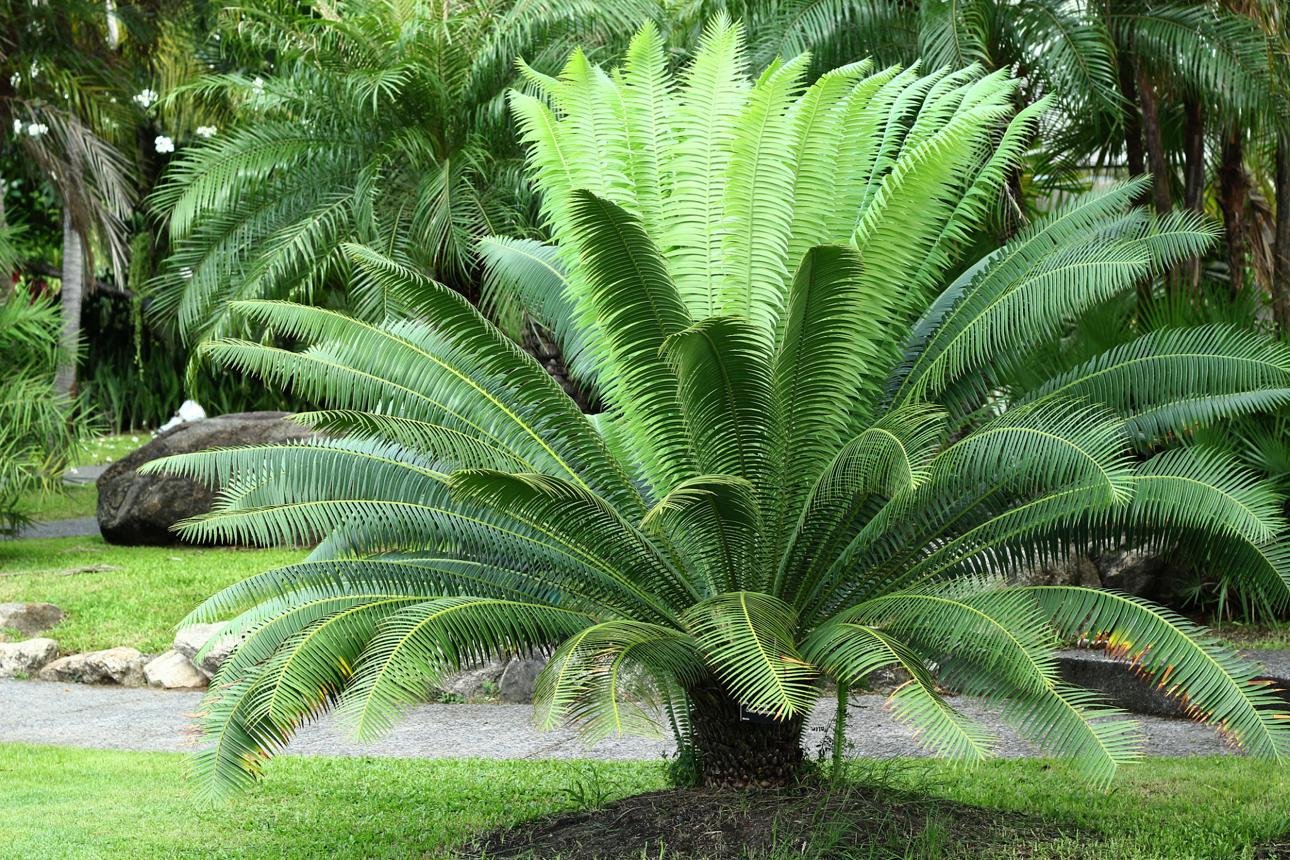
Cycas Revoluta
Known as false palm tree.
Contributes:
- Exotic appearance.
- Great resistance.
- Exceptional longevity.

Where to place large plants for maximum impact
The location is as important as the plant.
Next to the sofa
One of the most used locations by designers.
In empty corners
They transform dead spaces into points of interest.
Near windows
They allow you to take advantage of natural light.
In large halls
They create a spectacular first impression.
Trends in large plants for 2026
Natural decoration continues to evolve.
Urban Jungle Style
More and more homes incorporate multiple large floors.
Sculptural plants
Species with striking shapes dominate the trends.
XL Pots
Large pots made of ceramic, cement and natural fibers are the protagonists.
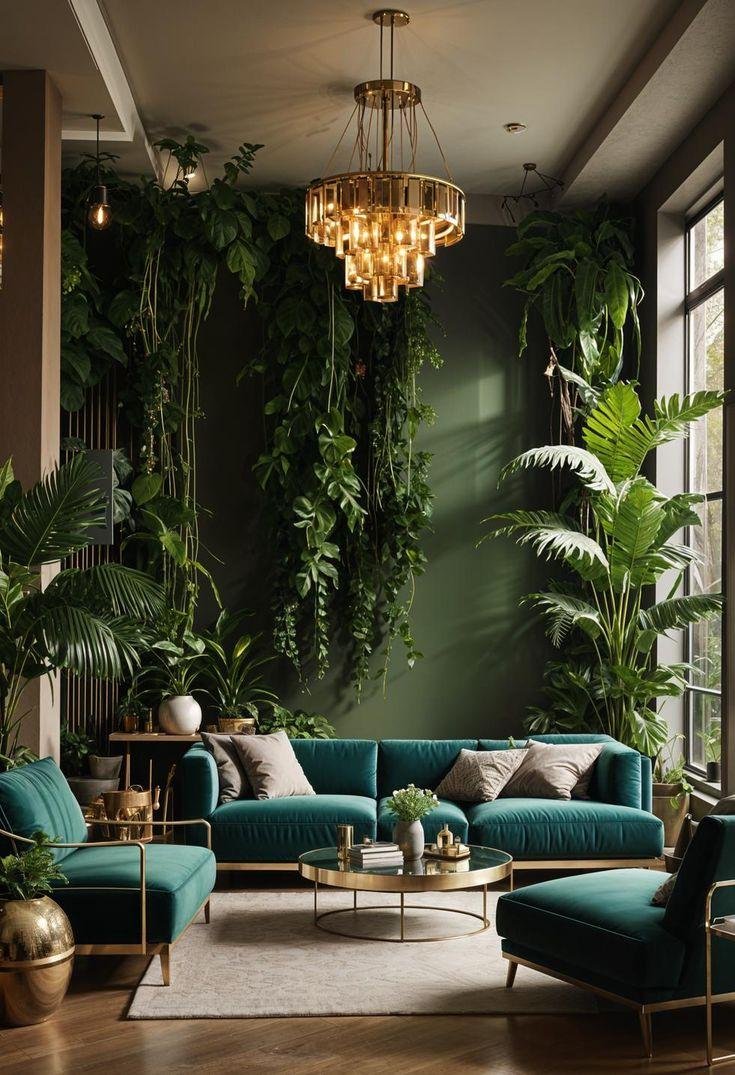
Biophilic spaces
The connection between nature and interior design continues to grow.


Basic care to maintain healthy large plants
Although each species has specific needs, there are universal recommendations.
Adequate irrigation
Excess water remains the most common error.
Sheet Cleaning
Clean leaves absorb light better.
Periodic rotation
Helps them grow evenly.
Moderate fertilization
Especially during spring and summer.
Common mistakes when decorating with large plants
Choosing a species that is too large for the space
It can generate a feeling of saturation.
Ignore light needs
No tAll plants survive in any corner.
Use small pots
The proportion between plant and pot is essential.
Impulse Buy
I always recommend doing your research before choosing.
Large Plant FAQ
What is the best large plant for indoors?
Monstera Deliciosa, Kentia and Ficus Lyrata are some of the most popular options.
Which large plant needs the least care?
The Zamioculca and the Sansevieria stand out for their resistance.
Do large plants help decorate small spaces?
Yes. A single large, well-placed plant usually works better than many small plants scattered around.
What large plant is in fashion in 2026?
Monsteras, strelitzias and decorative olive trees lead the trendss current.
How long does it take for a large plant to grow?
Depends on the species. Some can reach significant sizes in a few years, while others grow slowly.
When a single plant is worth more than ten accessories
After years decorating spaces, there is one thing that is clear to me: large plants offer an impact-price ratio that is difficult to beat. I’ve seen completely normal rooms transformed with a well-placed Kentia, Monstera or Ficus.
The interesting thing is that these plants don’t just decorate. They also provide personality, depth and a feeling of well-being that completely changes the perception of space. If you want to renovate a room without doing renovations, a large plant is probably the smartest decision you can make.