
Decorating a house seems easy when we see spectacular photographs in magazines, Pinterest or social networks. However, when the time comes to apply those ideas in our own home, errors appear. I know this because I have made many of them. For years I bought furniture that looked perfect in the store but was huge when it got home, I chose colors I loved in a sample but looked completely different on the wall, and I filled rooms with decorative objects until they seemed smaller.
The good news is that most common decorating mistakes have a solution. In this article I am going to show you what the most common mistakes are, how to avoid them and what interior designers do to achieve more balanced, welcoming and elegant spaces.

Why most decorative errors occur
After analyzing hundreds of projects and studying interior decoration trends, I have come to a conclusion: most mistakes appear when we buy impulsively.
Many people decorate following a specific photograph without taking into account:
- The actual dimensions of the space.
- Natural lighting.
- The architectural style of the home.
- The needs of those who live there.
- Daily functionality.
When these factors are ignored, even the most beautiful furniture can produce disappointing results.
Mistake #1: Buying furniture that is too big
This is probably the most common error.
A huge sofa may look spectacular in a store with high ceilings and thousands of square feet, but in a small room it can block circulation and make the entire environment seem smaller.
How to avoid it
Before purchasing any furniture:
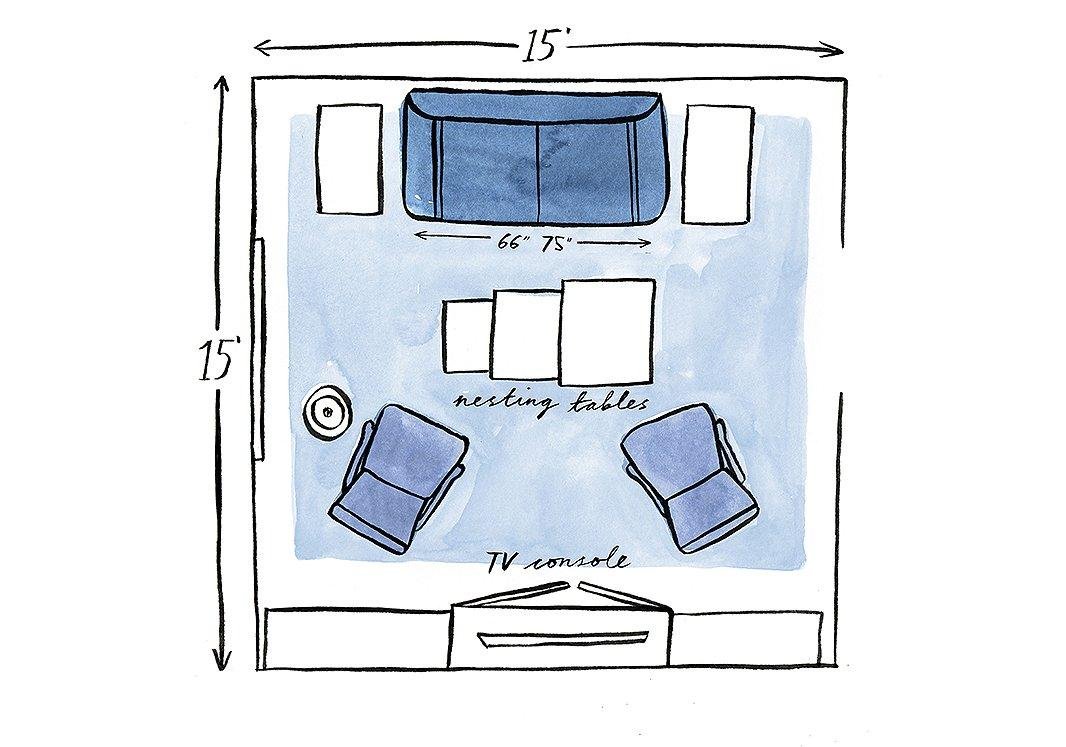
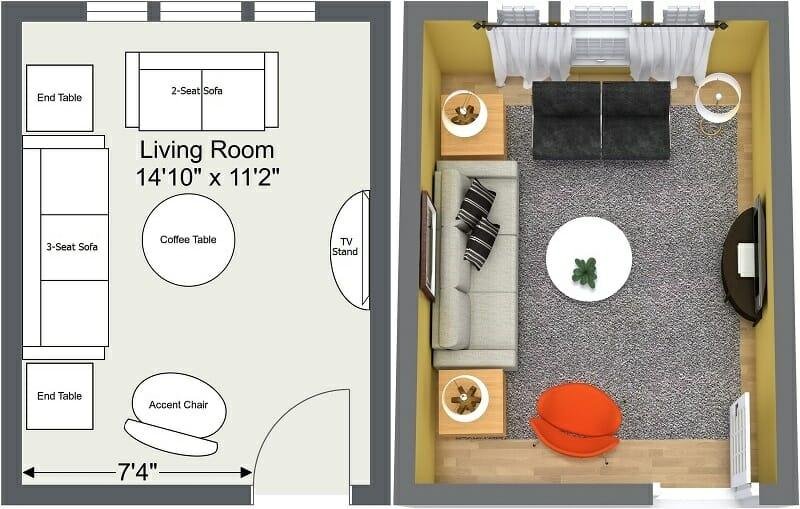
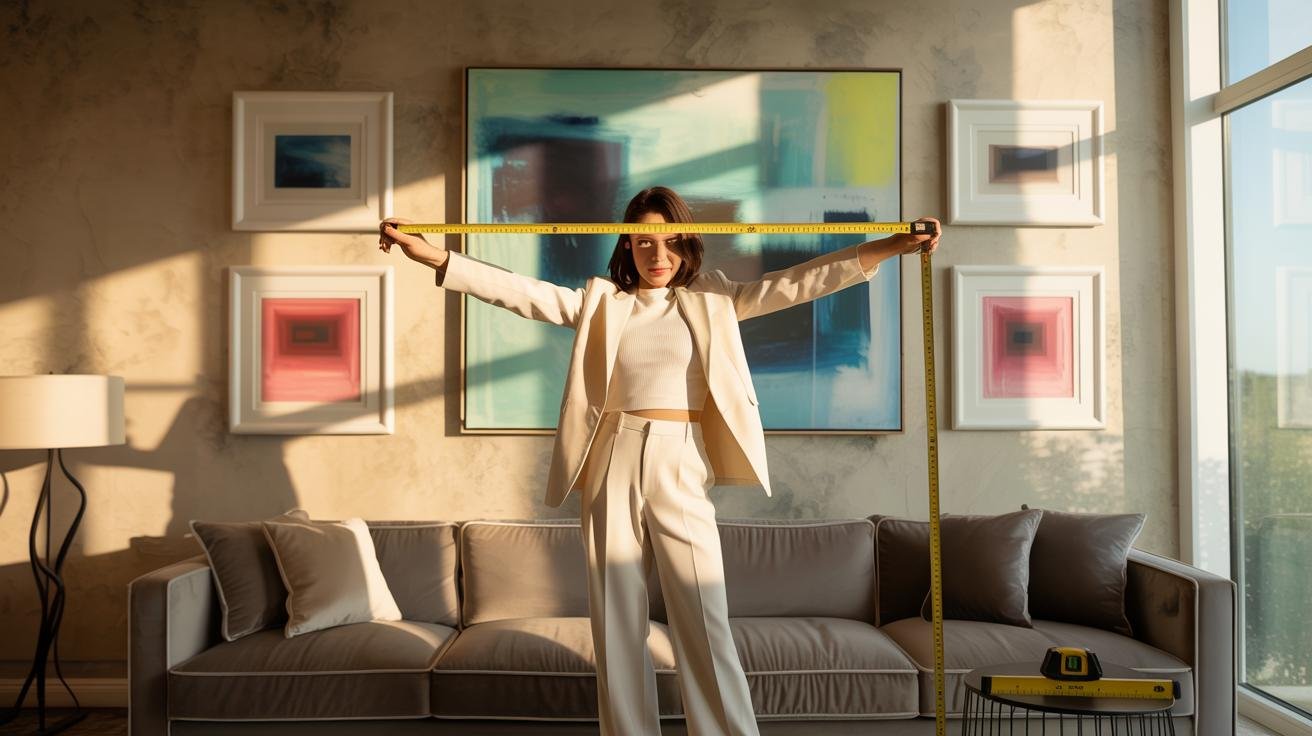
- Measure the room.
- Mark the dimensions with masking tape.
- Check passage areas.
- Check the opening of doors.
I personally learned this lesson after purchasing a couch that could barely fit down the hallway.

Error #2: Ignore lighting
You can have the most expensive decoration in the world and still get a mediocre result if the lighting is bad.
Light affects:
- The colors.
- The textures.
- The perception of space.
- The emotional environment.
The rule that designers use
Combine three lighting levels:
General light
The one that illuminates the entire room.
Ambient light
Decorative lamps that provide warmth.
Accent Light
Highlight specific paintings, plants or elements.
This simple strategy transforms any room.
Error #3: Placing all the furniture close to the walls
Many people believe that leaving the center open will make the space appear larger.
In reality it usually produces the opposite effect.
What to do instead
Move furniture slightly closer to each other to create more inviting conversation areas.
Even in small rooms it works better than it seems.
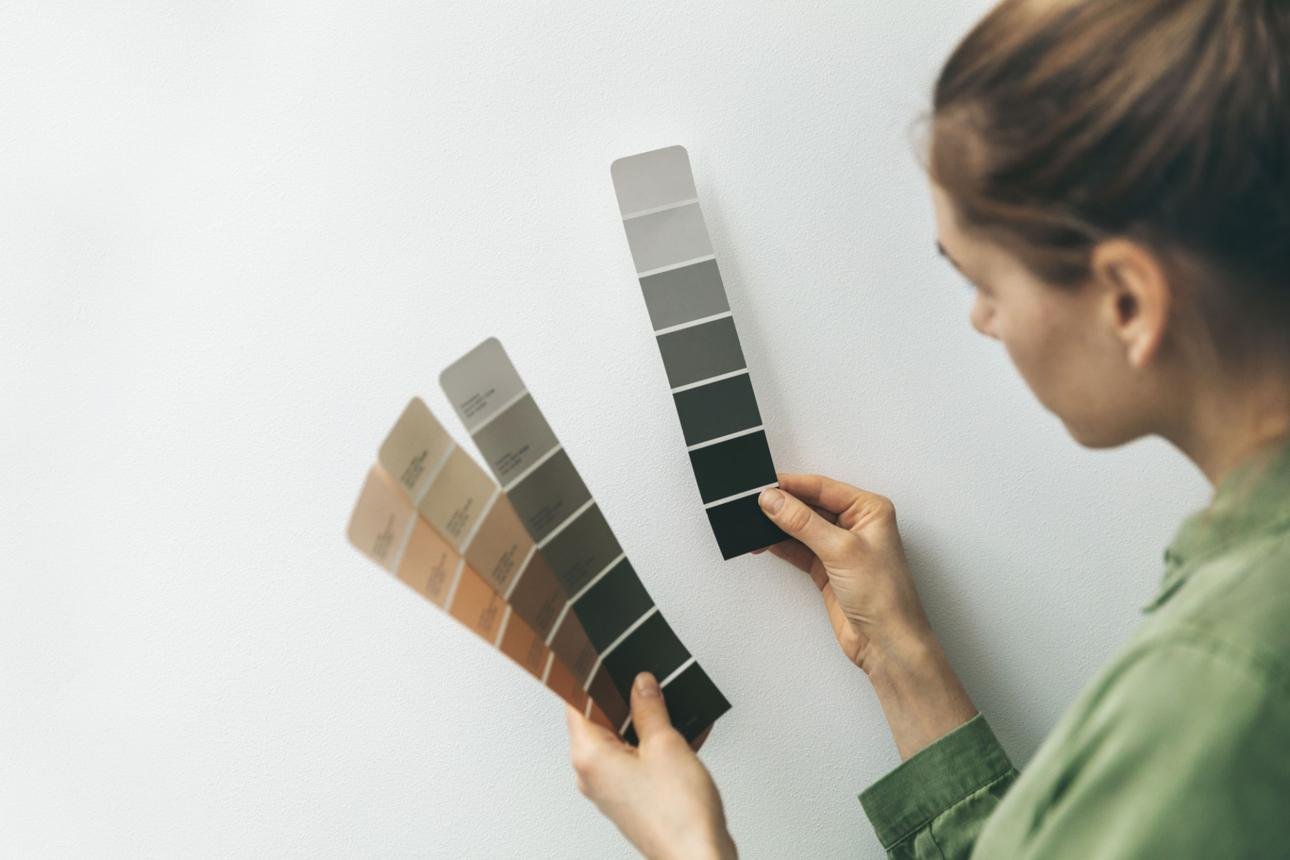
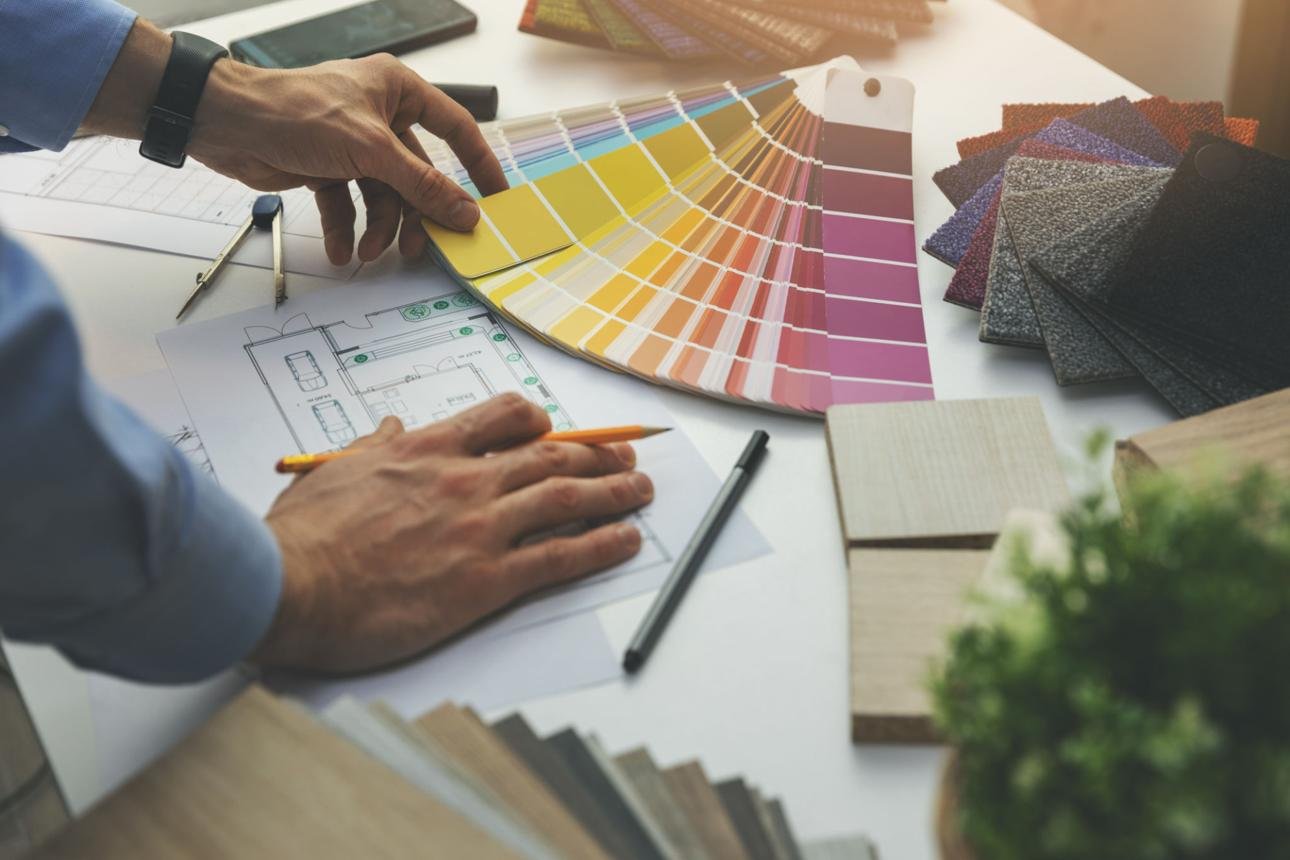
Mistake #4: Choosing the paint color before the furniture
One of the most costly mistakes.
It is much easier to find a paint that matches a sofa than to find a sofa thate combine with an already applied paint.
The correct order
- Main furniture.
- Rugs.
- Textiles.
- Decoration.
- Painting.
Following this process avoids many headaches.

Mistake #5: Using a mat that is too small
This glitch can visually ruin an entire room.
Quick rule
At least the front legs of the main furniture should rest on the carpet.
When the mat is too small:
- The space seems fragmented.
- The one ofchoir loses cohesion.
- The room feels smaller.
Error #6: Saturating the decoration with too many accessories
For a time I bought any decorative object that I liked.
The result was a visually exhausting space.
Less is usually more
Instead of placing twenty small objects:
- Choose three or four standout pieces.
- Groups similar elements.
- Leave empty spaces.
Well-balanced spaces convey greater elegance.
Error #7: Not adding texture
Many homes seem cold even if they are perfectly organized.
Normally occurs due to lack of texture.
Elements that provide texture
- Linen.
- Natural wood.
- Rattan.
- Lana.
- Stone.
- Handcrafted ceramics.
The combination of materials creates visual depth and makes the environments more welcoming.
Error #8: Hanging pictures too high
This is a surprisingly common error.
Most people place their works near the ceiling.
Recommended height
The center of the work should be approximately at eye level.
This creates a more balanced composition.


Mistake #9: Following all the trends
Trends are afantastic source of inspiration.
But decorating an entire house solely following trends usually causes the design to age quickly.
What I recommend
Maintain a timeless foundation:
- Neutral sofas.
- Classic furniture.
- Soft colors.
And add trends using:
- Cushions.
- Pictures.
- Vases.
- Accessories.
Error #10: Not having a focal point
Every room needs a protagonist.
Can be:
- An accent wall.
- A fireplace.
- A large painting.
- A striking sofa.
- A spectacular window.
Without a focal point, spaces often appear disorganized.
Error #11: Neglecting windows
Curtains have a huge impact.
Common error
Install the bar just above the window.
Professional solution
Place the curtains higher and wider.
This creates:
- Sensation of height.
- Greater elegance.
- More natural light entry.
Mistake #12: Abusing dark furniture in small spaces
Dark furniture can be elegant, but used in excess visually reduces the space.
Best alternative
Merge:
- Light woods.
- Neutral tones.
- Natural elements.
- Strategic dark details.
Error #13: Forgetting plants
Few things have so much decorative impact for so little money.
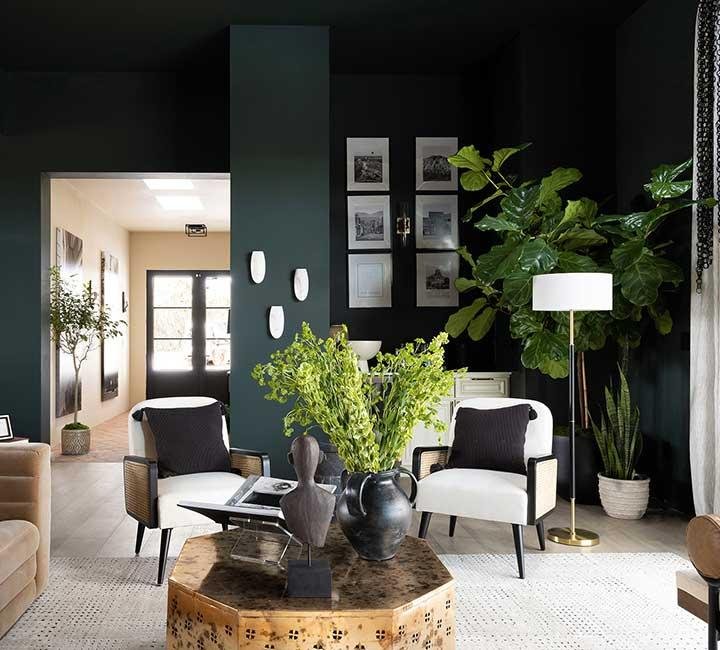


Plants provide:
- Color.
- Life.
- Freshness.
- Texture.
Even a single large plant can transform a boring corner.
Error #14: Mixing too many decorative styles
Mixing styles can work, but it requires balance.
WhenEverything competes for attention, the result usually seems chaotic.
Simple rule
Choose a primary and secondary style.
For example:
- Modern + Nordic.
- Japandi + minimalist.
- Industrial + contemporary.
Error #15: Decorating without thinking about functionality
A nice house that is uncomfortable ends up being a problem.
Before purchasing any item ask yourself:
- Will I really use it?
- Does it make my day to day easier?
- Can you help me keep order?
Decoration should serve people, not the other way around.
Error #16: Not taking advantage of mirrors
Mirrors are one of designers’ favorite tools.
Help:
- Reflect light.
- Create depth.
- Visually expand small spaces.
They are especially useful in apartments and compact homes.
Error #17: Decorating the entire house at once
This was probably one of my biggest mistakes.
When you’re trying to finish everything quickly:
- You make hasty decisions.
- Impulse purchases.
- You spend more money.
The best homes evolve over time.
Allows each space to find its personality little by little.
Signs Your Decor Needs an Update
If you identify several of these situations, it may be time to make some changes:
- Your house seems smaller than it really is.
- There are too many objects accumulated.
- There is no visual harmony.
- The lighting is insufficient.
- No element stands out.
- Environments feel cold or impersonal.
Common Decorating Mistakes FAQ
What is the most common mistake when decorating a house?
Buying furniture that is too large for the available space is usually the most common problem.
How to make a room look bigger?
Using light colors, mirrors, adequate lighting and furniture proportionate to the space.
Is it bad to follow decoration trends?
No. It is advisable to use them on easily replaceable details and not on the entire decorative base.
What elements transform a room the fastest?
Plants, lighting, textiles and rugs often create immediate visual changes.
What I learned after making almost all of these mistakes
When I look at old photographs of some rooms I decorated years ago, I clearly see many of the mistakes I mentioned. The funny thing is that none of them had to do with spending little money. In fact, several occurred precisely from buying too much too fast.
Successful decorating is rarely about filling spaces. It’s about finding balance, proportion, functionality and personality. If you avoid these common decorating mistakes, you will achieve much more pleasant, welcoming and visually attractive environments, regardless of the size of your home or the available budget.