
Decor is constantly evolving, but there is something I have learned after spending years observing projects, remodeling spaces and analyzing styles that appear and disappear: the best decorating trends are not those that follow a fad, but those that make a home feel more comfortable, functional and personal.
During the last few months I have been researching the main decoration trends that dominate specialized magazines, social networks and real interior design projects. The interesting thing is that many of them do not seek to impress visitors, but rather to improve the quality of life of those who live in space.
If you are thinking about renovating your home, redecorating a room or simply getting inspired, these are the decoration trends that are defining the present and that will continue to grow in the coming years.
Organic decoration continues to conquer interiors
One of the strongest decoration trends is the return to forms inspired by nature.
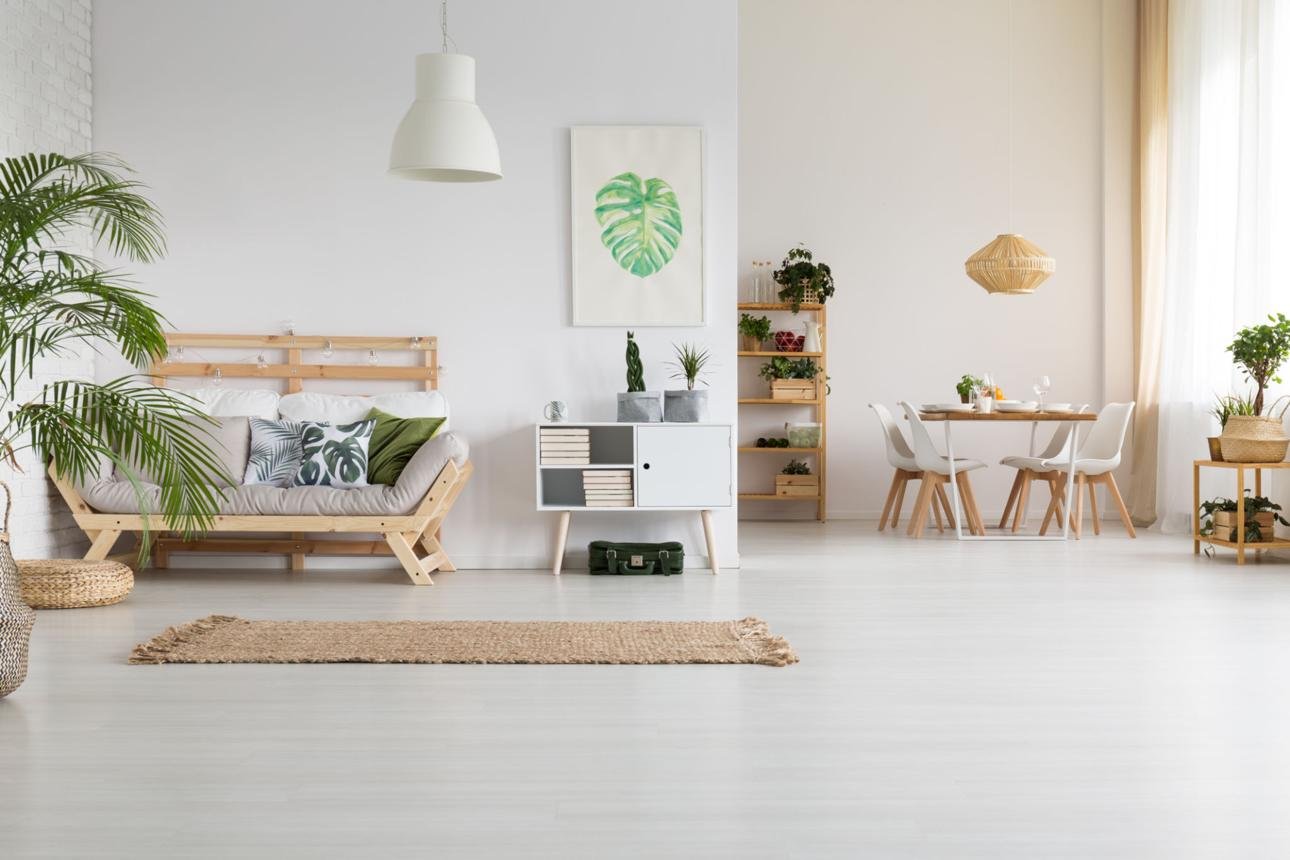

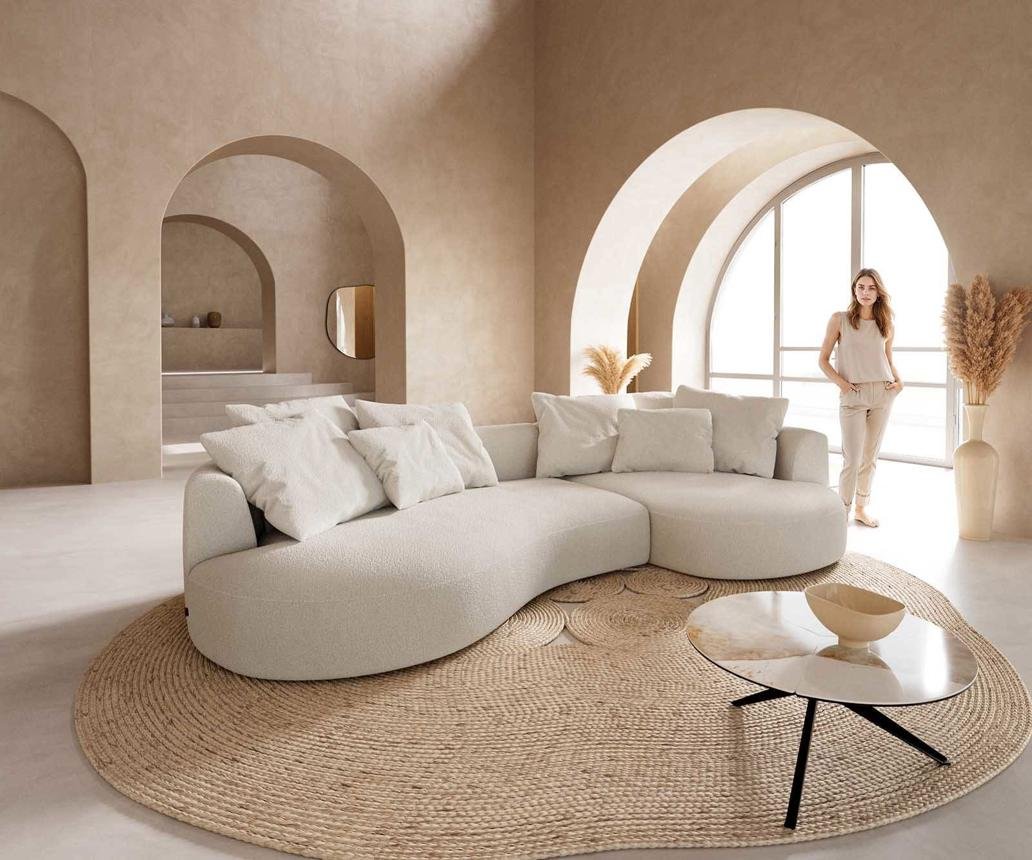
Extremely straight and rigid lines no longer predominate. Now we see:
- Curved sofas.
- Tables with irregular edges.
- Organic mirrors.
- Lamps of natural shapes.
- Handcrafted furniture.
Personally, I have found that incorporating a single curved piece can completely change the perception of a room, making it much more welcoming.
Natural materials in the foreground
The materials that stand out the most are:
- Solid wood.
- Rattan.
- Linen.
- Jute.
- Natural stone.
- Handmade ceramics.
These elements provide texture and help create visually balanced spaces.
The Japandi style continuesgaining popularity
The Japandi style continues to be a reference within modern decoration trends.
Combine:
- Japanese minimalism.
- Scandinavian functionality.
- Neutral colors.
- Visual simplicity.

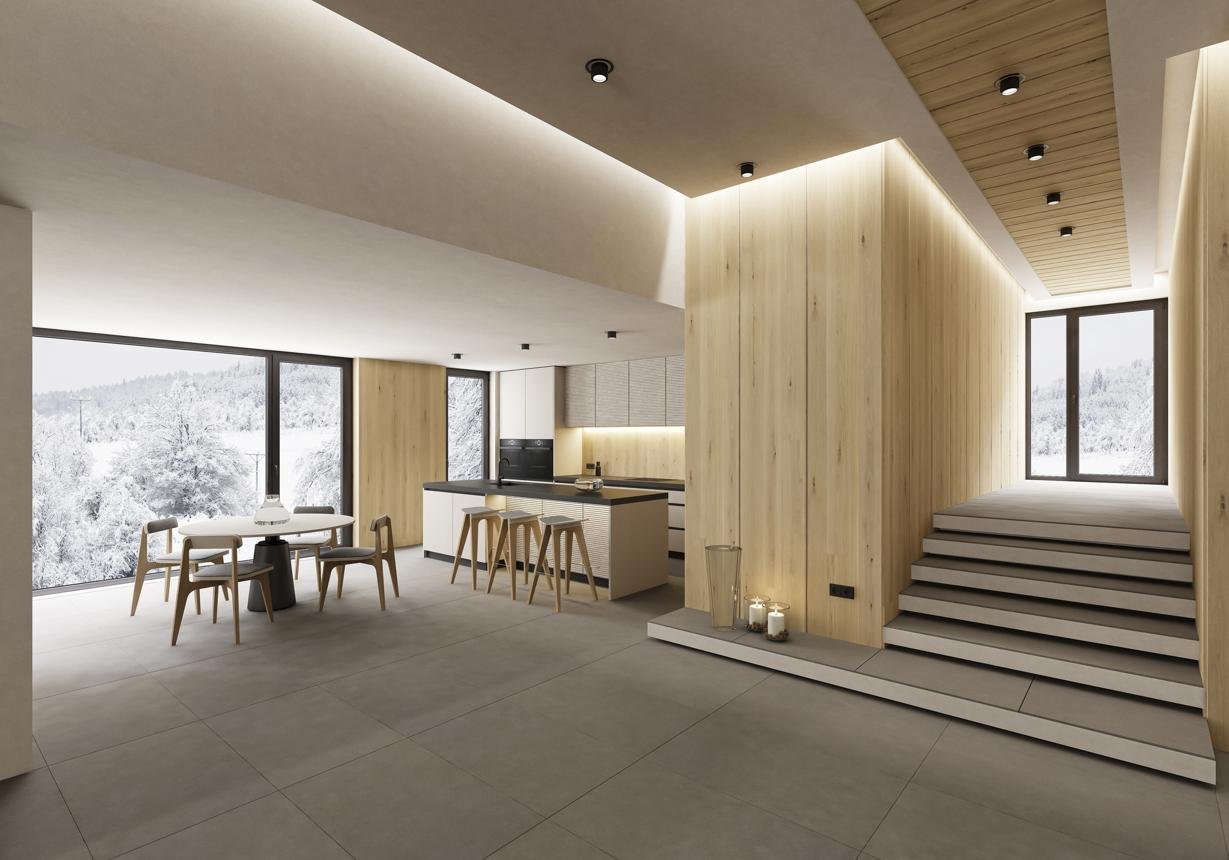

What I like most about this style is that it shows that you don’t need many objects to create an elegant space.
Keys to apply the Japandi style
- Less decoration, but better selected.
- Soft colors.
- Functional furniture.
- Natural materials.
- Warm lighting.
Earth tones dominate the color palettes
For years, absolute white dominated practically all interior design projects.
Now the trends point towards:
- Sand beige.
- Terracotta.
- Chocolate brown.
- Clay.
- Olive green.
- Warm sand.
These colors generate more comfortable and less cold environments.
Color combinations that are working very well
| Main color | Complementary color |
|---|---|
| Warm beige | Olive green |
| Terracotta | Cream |
| Cocoa brown | Sand |
| Sage green | Natural wood |
| Clay | Off-white |
When I tried a combination of terracotta with natural wood accents in a living room, the result was much more welcoming than any scheme based solely on white and gray.
Silent luxury comes to interior design
The concept of “Quiet Luxury” has also become one of the most relevant decoration trends.
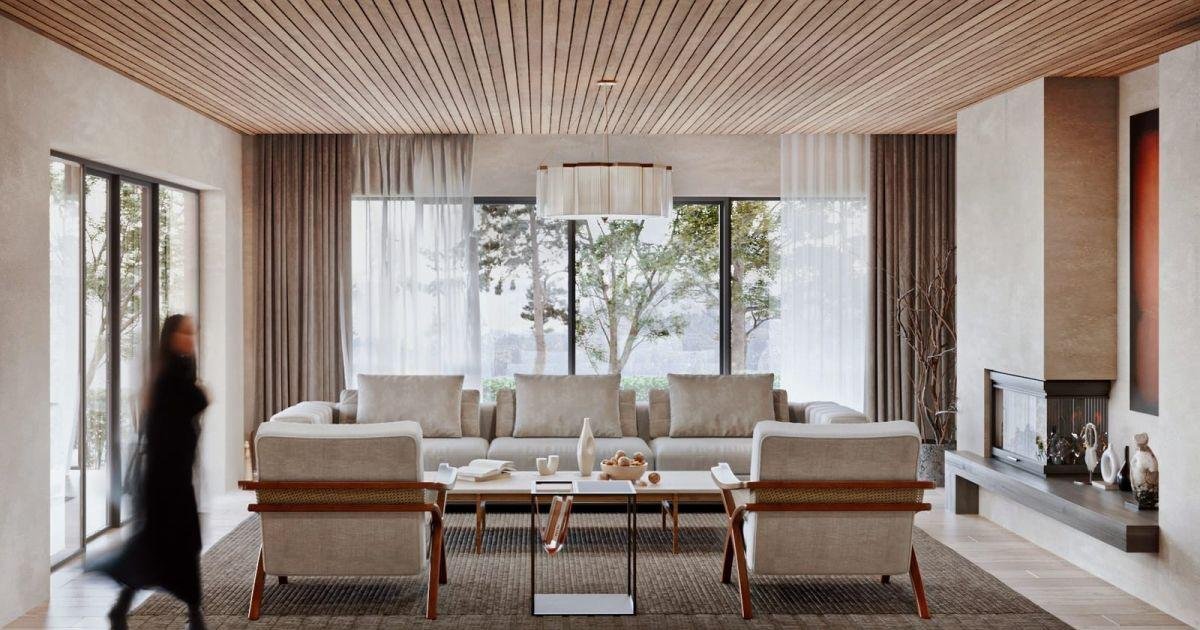
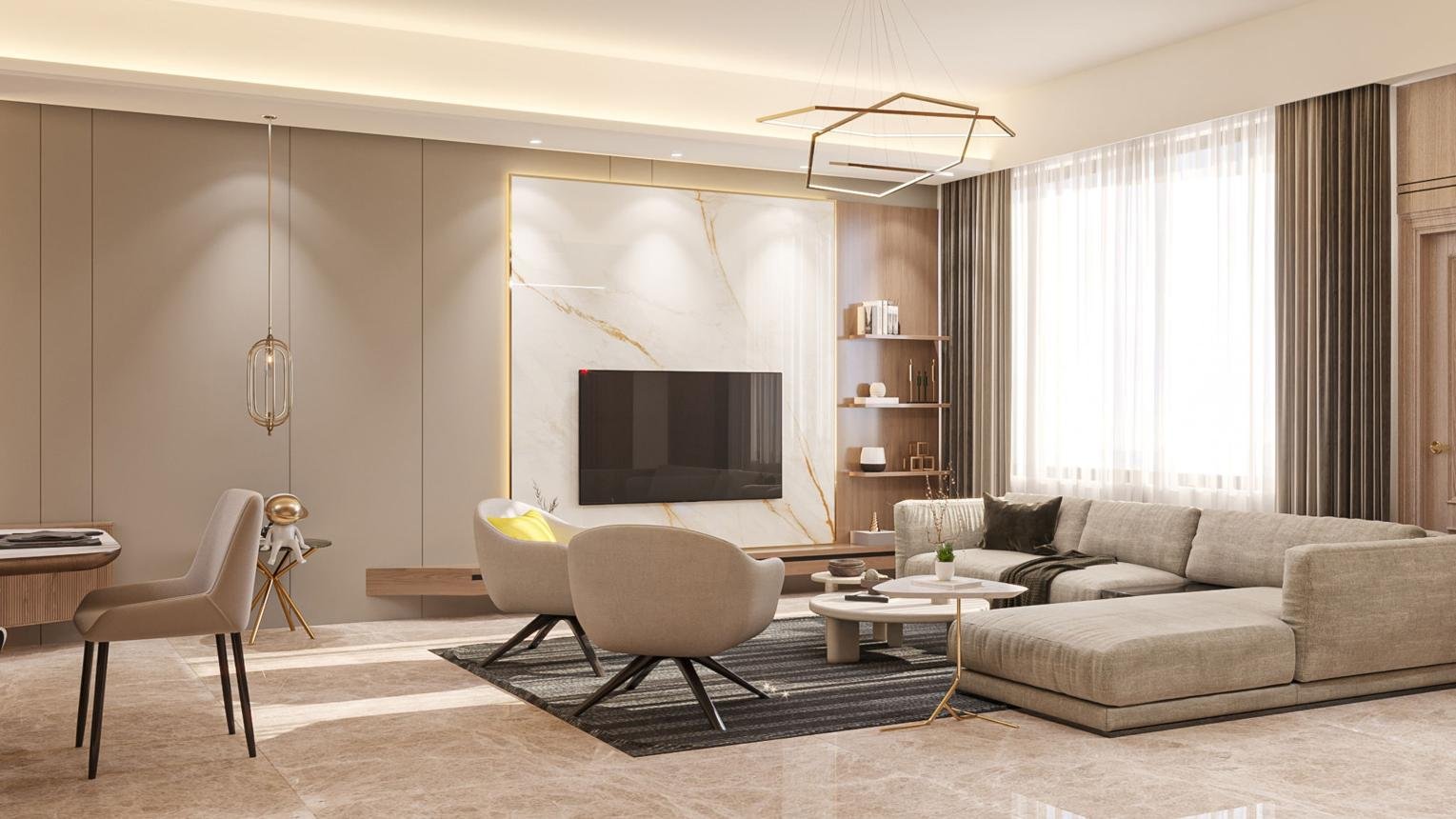

It is not about showing wealth through extravagant elements.
Based on:
- Quality materials.
- Timeless design.
- Impeccable finishes.
- Discreet elegance.
Character�Aesthetics of silent luxury
- Natural marble.
- Hardwood.
- Premium textiles.
- Durable designer furniture.
- Limited but carefully selected decoration.
Plants continue to be protagonists
Plants are no longer simple decorative accessories.
They are currently an integral part of the interior design.


The most commonly used species include:
- Monstera Deliciosa.
- Ficus Lyrata.
- Pothos.
- Kentia.
- Sansevieria.
Benefits of decorating with plants
- They provide visual freshness.
- They generate a feeling of well-being.
- They add texture.
- They break the monotony of spaces.
The return of vintage furniture
Another important trend is mixing contemporary pieces with antique furniture.
We no longer want everything to be new.
The most interesting spaces usually combine:
- Modern sofas.
- Legacy tables.
- Restored dressers.
- Craft objects.
This mix provides personality and prevents the decoration from looking like something out of a catalogue.
Increasingly integrated kitchens
Modern kitchens continue to evolve into spacesopen.
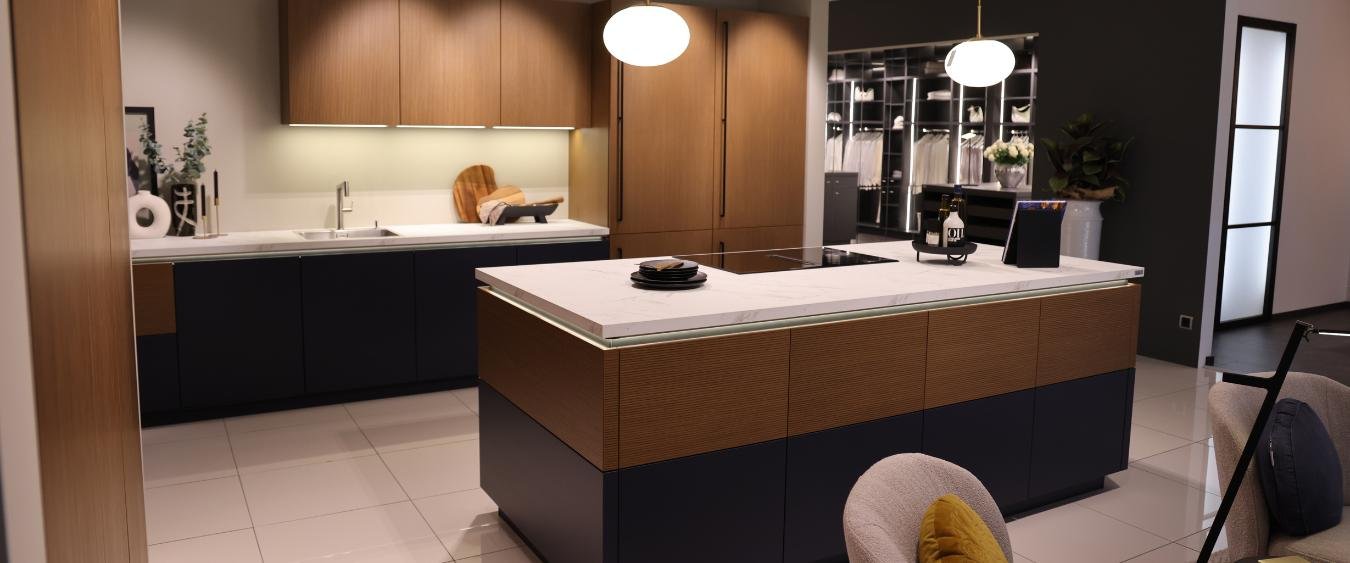
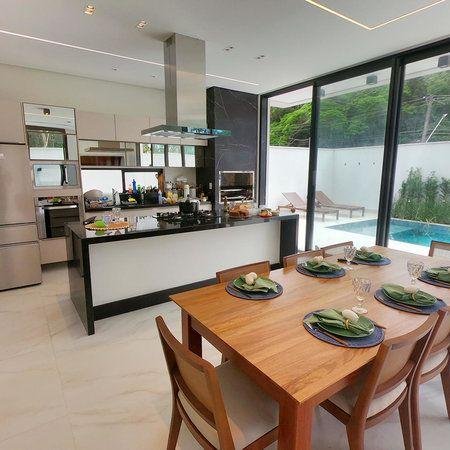

Current trends favor:
- Large islands.
- Hidden storage.
- Integrated appliances.
- Minimalist designs.
- Resistant and elegant materials.
Trendy kitchen colors
- Olive green.
- Deep blue.
- Warm beige.
- Natural wood.
- Matte black.
Decorative lighting becomes the protagonist
Before, lamps served a practical function.
Nown authentic decorative pieces.
Strongest trends include:
- Sculptural lamps.
- Natural fiber screens.
- Indirect lighting.
- Minimalist appliques.
- Integrated LED strips.
I have seen rooms completely transformed simply by replacing a conventional lamp with a well-chosen designer piece.
Sustainable and conscious decoration
More and more people are looking to decorate responsibly.
This implies:
- Buy less.
- Choose better.
- Prioritize quality over quantity.
- Bet on recycled materials.
- Restore existing furniture.
How tocreate sustainable decoration
- Reuse old furniture.
- Buy durable pieces.
- Avoid disposable decorations.
- Invest in natural materials.
- Reduces decorative excess.
Textures above prints
Modern interiors are abandoning excessive prints.
The current trend is for:
- Washed linen.
- Bouclé.
- Lana.
- Handmade ceramics.
- Textured stone.
- Wood with visible grain.
These textures provide visual richness without generating saturation.
Multifunctional spaces
Remote work has changedthe way we use our homes.
That is why one of the most important decoration trends is the creation of flexible spaces.
Examples:
- Rooms that function as an office.
- Bedrooms with reading area.
- Dining rooms adapted to work.
- Multifunctional corners.
The key is that each square meter has utility without losing aesthetics.
Personalization vs. generic decoration
One of the most interesting trends is the rejection of impersonal spaces.
I am seeing more and more homes that include:
- Family photographs.
- Works by local artists.
- Travel objects.
- Books.
- Personal collections.
This turns a house into a real home.
Decorating Trends FAQ
What is the main decoration trend currently?
The combination of natural materials, earth colors and functional design is probably the strongest trend of the moment.
What colors are in fashion in decoration?
Beige, terracotta, olive green, chocolate brown and sand tones dominate the current proposals.
Is the minimalist style still a trend?
Yes, although it has evolved towards warmer versions such as Japandi and silent luxury.
Are plants still a trend?
Absolutely. Biophilic decoration continues to grow and is increasingly integrated into interior design.
What materials are in fashion?
Natural wood, stone, linor, rattan, handmade ceramics and plant fibers.
Ideas that are really worth incorporating
After analyzing the main decoration trends and observing how they are applied in real homes, there is something that I consider fundamental: it is not necessary to follow all the trends to get a spectacular home.
In fact, the most beautiful spaces I have seen have something in common: they take some current trends—such as natural materials, organic shapes, earth tones, or warm lighting—and adapt them to the personality of those who live there.
If I had to choose the trends with the greatest long-term potential, I would bet on sustainable decoration, the Japandi style, plants integrated into the design and the use of natural materials. They are proposals that are not only fashionable, but also help create more comfortable, functional and pleasant homes to live in every day.