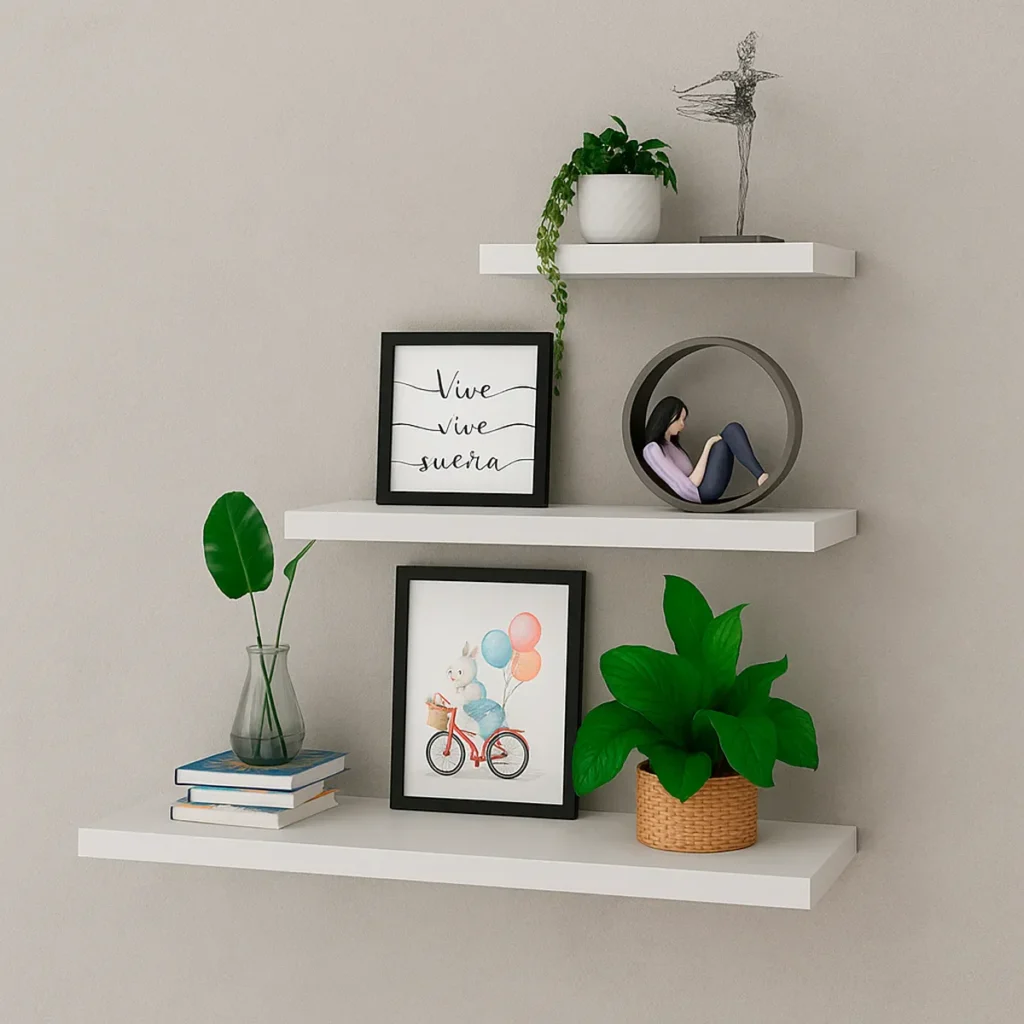
When I started decorating my house, the walls were literally a “visual desert.” White, empty and without personality. That’s when I discovered floating shelves , and I’ll tell you something without exaggeration: they completely change the feeling of any space.
The interesting thing is that I not only saw them as a decorative element, but as a practical solution to organize without filling everything with furniture. And yes, after trying various styles, mistakes included (more than I would like to admit), today I can tell you what really works.
What floating shelves really are and why everyone is looking for them
The floating shelves (also called floating shelves or floating shelves) are those surfaces that are fixed to the wall without visible supports. That’s the magic: they seem to “float”.
While researching ideas, I saw that on Amazon, IKEA, and even Pinterest boards, the search intent always revolves around the same thing:
- How to decorate without reloading
- How to take advantage of small spaces
- How to achieve a modern and minimalist style
- Ideas for living rooms, kitchens and bedrooms
And this is where the good part comes in: they are not just decoration, they are also pure functionality.
Types of floating shelves that really work at home
After trying several (and breaking some poorly measured walls, I’m not going to lie), these are the types that I have seen and used the most:
Natural wood shelves
They are the most versatile. They give that warm touch that makes any white wall stop being boring.
Minimalist metal shelves
Perfect if you want something modern loft or industrial type.
Invisible shelves (hidden supports)
These are the ones that surprise people the most when they enter the house.
Combined decorative shelves
Wood + metal or even glass. Riskier, but visually powerful.
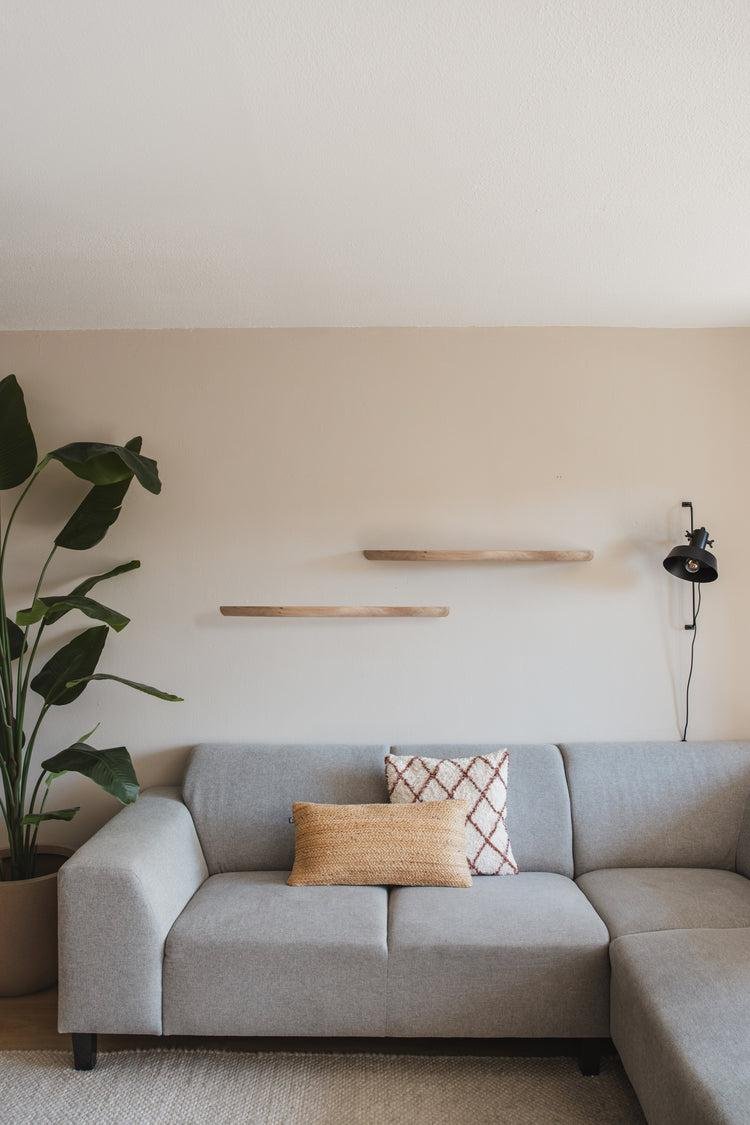

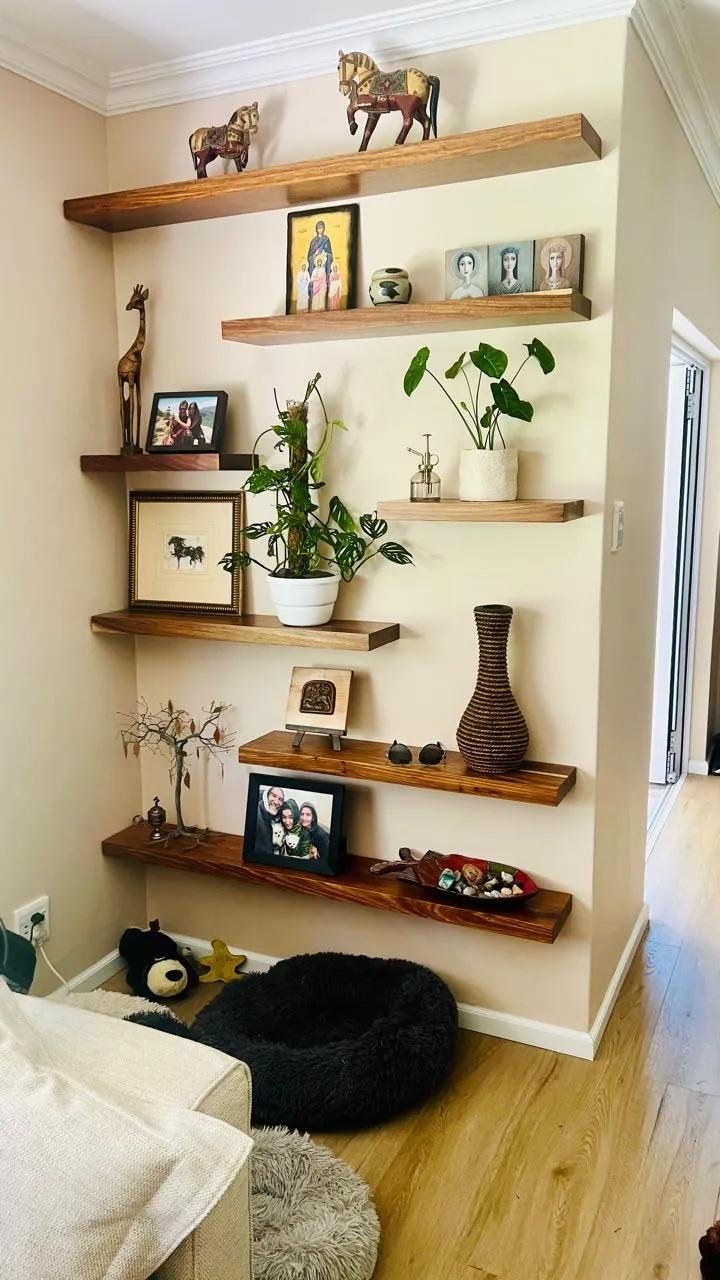
The funny thing is that most of the ideas I saw on Pinterest end up being combinations of these same styles, only adapted to each space.
Real ideas that I have applied (and that you can copy without fear)
This is where I really started to notice the difference.
Living room: less furniture, more intention
Instead of filling the room with large shelves, I placed three floating shelves in a row. In them I put:
- Books
- Small plants
- Decorative candles
The change was immediate: the room looked larger.
Kitchen: order without visual chaos
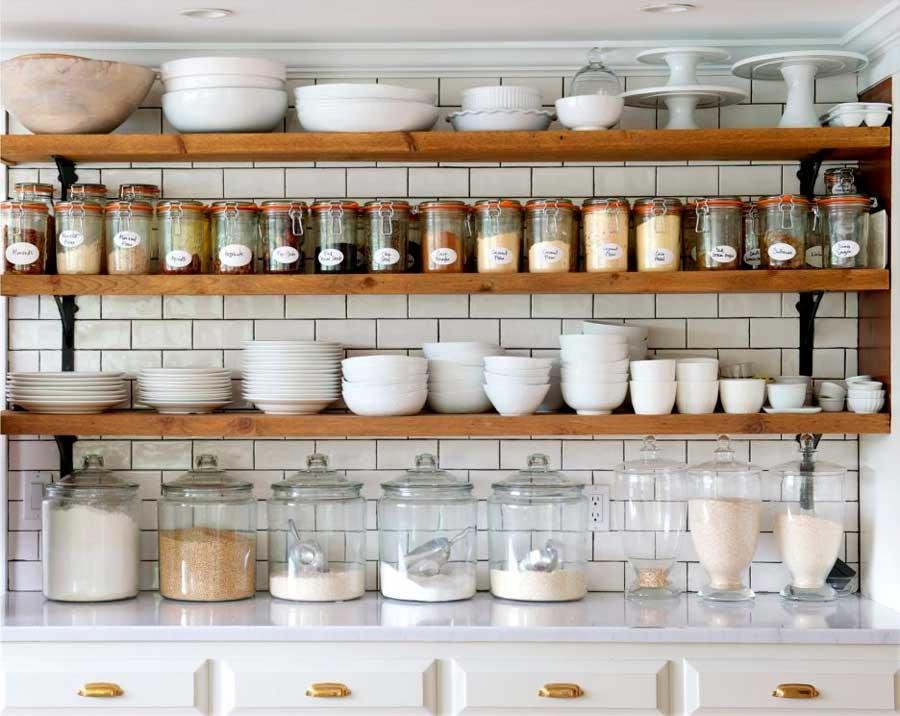
In the kitchen I used floating shelves for spices and cups. It’s amazing how something so simple makes everything look more organized.
Bedroom: aesthetics + functionality
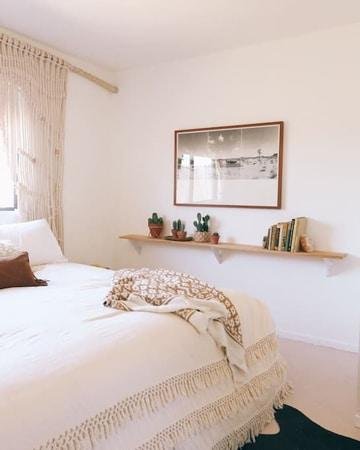
Here I put a shelf above the headboard for small pictures and personal items.

How to install floating shelves without making the mistakes I made
Here comes the part where you save yourself headaches.
The first thing I learned: not all walls are the same.
Key step that is almost always ignored
Before drilling, check:
- Wall type (plaster, brick, concrete)
- Weight that the shelf will support
- Perfect leveling (this is critical)
Basic Tools
- Drill
- Level
- Suitable screws and plugs
- Meter
The mistake I made
Do not measure the distance between invisible supports. Result: slightly tilted shelf and a visual disaster.
Decoration ideas with floating shelves that always work
Here are combinations that never fail:
- Plants + books + minimalist frame
- Candles + ceramics + black and white photos
- Spices + glass jars + natural wood
- Personal belongings + LED lighting
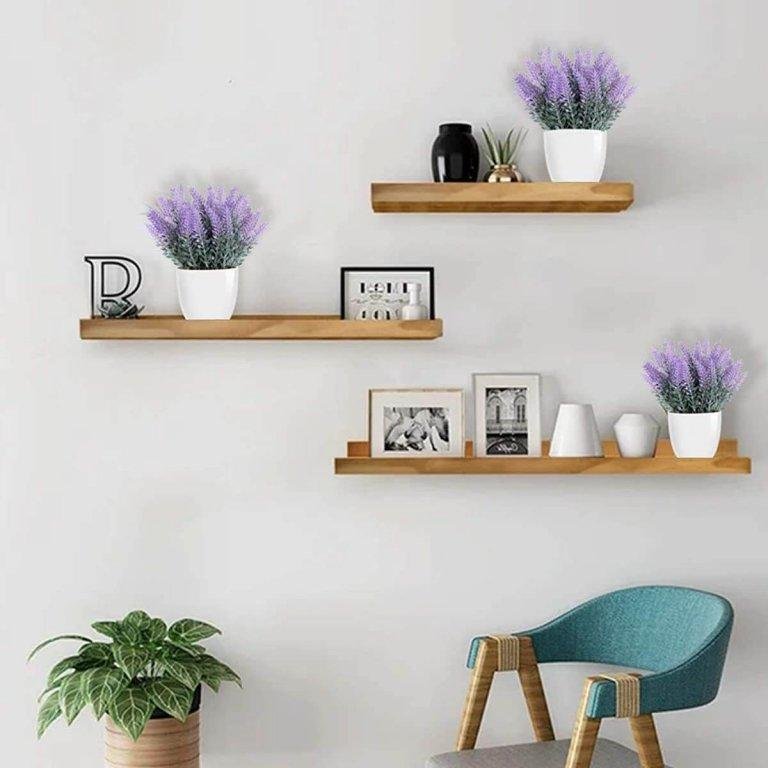


The important thing here is not to fill the shelf, but to create visual balance.
Common mistakes that ruin floating shelves
I have seen this both in my house and in others that I visit:
Overload shelf
Less is more. Always.
Poor installation height
If it is too high or too low, it breaks the aesthetics of the space.
Do not combine materials
A shelf that is inconsistent with its surroundings looks out of place.
Lighting ignored
Light completely changes how they are perceived.
Floating Shelves Trends for 2026
This is what’s moving the most right now:
- Ultra minimalist designs without visible screws
- Combination of light wood with matte black
- Adjustable modular shelves
- Integration with LED lighting
- Floating wall full design styles


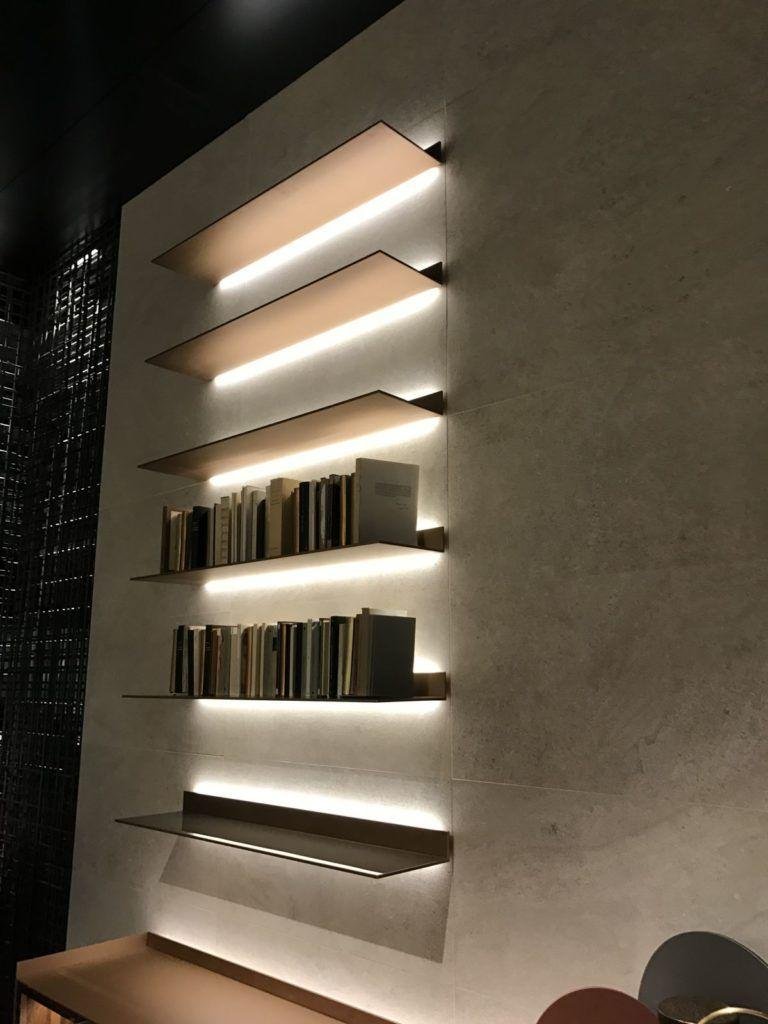
The interesting thing is that the trend is not only aesthetic, but also functional: walls that decorate and store at the same time.
Floating Shelves FAQ
How much weight can a floating shelf support?
It depends on the type of anchor and wall, but on average between 5 and 20 kg.
Are they difficult to install?
No, but they require precision. The level is key.
Where are they best?
In living rooms, kitchens, bathrooms and bedrooms. Literally in any space.
What materials last the longest?
Solid wood and metal are the most resistant.
Can they be used in small spaces?
Yes, in fact they are ideal for optimizing space without reloading.
In the end, what surprised me most about floating shelves is not only their aesthetics, but how they change the perception of space. An empty wall can go from boring to becoming the focal point of the entire room with just a few well-placed boards.