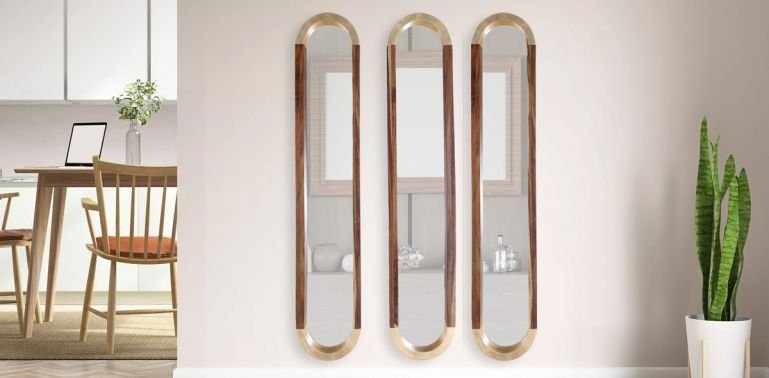
Decorative mirrors are one of those elements that seem simple… until you place them well and you realize that they completely change the perception of a room. I’ve seen it many times: a dark living room that suddenly feels larger, a narrow hallway that seems to double in size, or a bedroom that gains light without touching a single wall.
After analyzing trends in stores like Zara Home, studying the best sellers on Amazon Decorative Mirrors and reviewing hundreds of ideas on Pinterest, I have come to a clear conclusion: mirrors are not just decoration, they are a brutally effective design tool.
If you know how to use them well, they can improve the light, space and style of any home without the need for major renovations.
Why decorative mirrors are so important in interior design
Decorative mirrors not only reflect your image, they reflect the space and transform it.
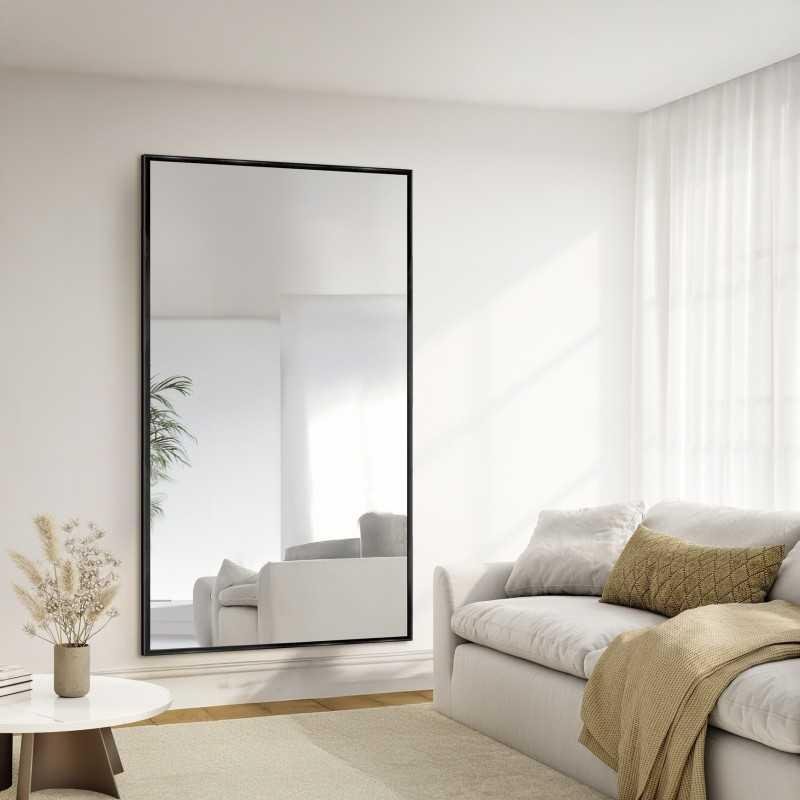
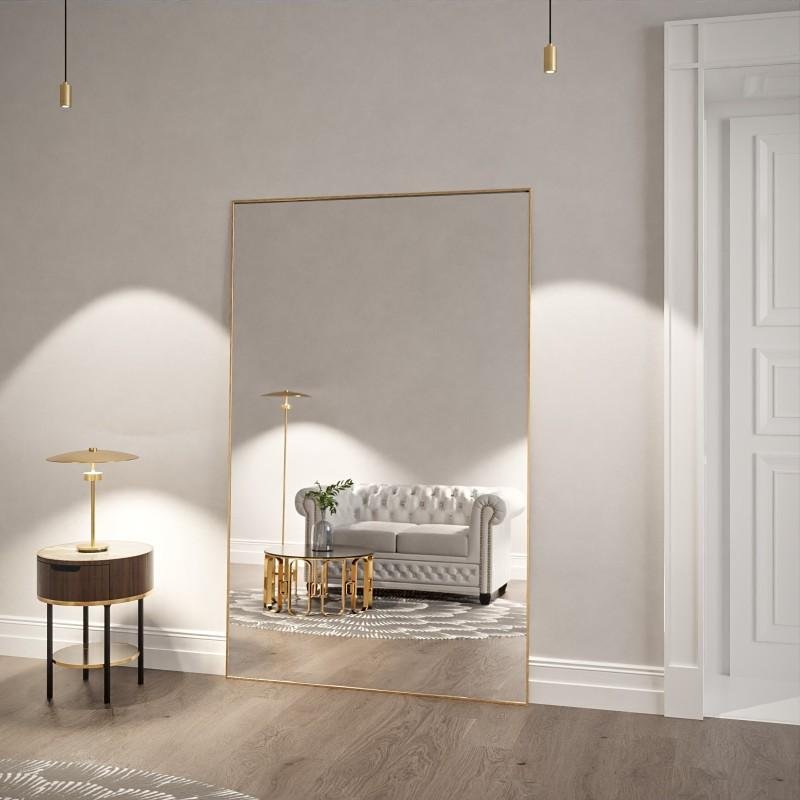
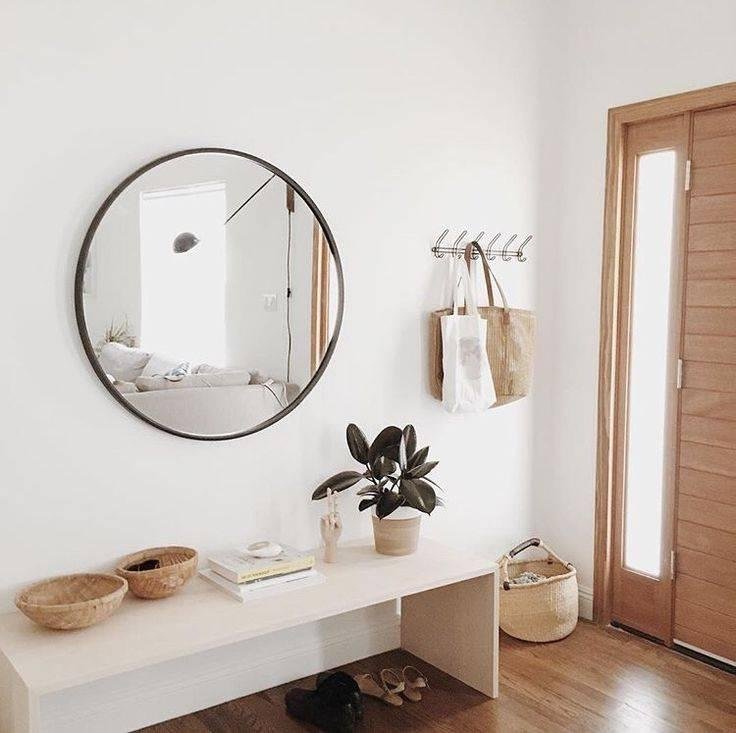
When I started to be interested in decoration, I saw them as something secondary. But over timeI understood that they fulfill three key functions:
- They visually expand spaces.
- They increase the entry of natural light.
- They provide depth and balance.
A good mirror can do more for a room than a lot of furniture combined.
Most used types of decorative mirrors
Nowadays there is a huge variety of decorative mirrors, and each one fulfills a different function.
Most popular types
- Minimalist round mirrors.
- Large rectangular mirrors.
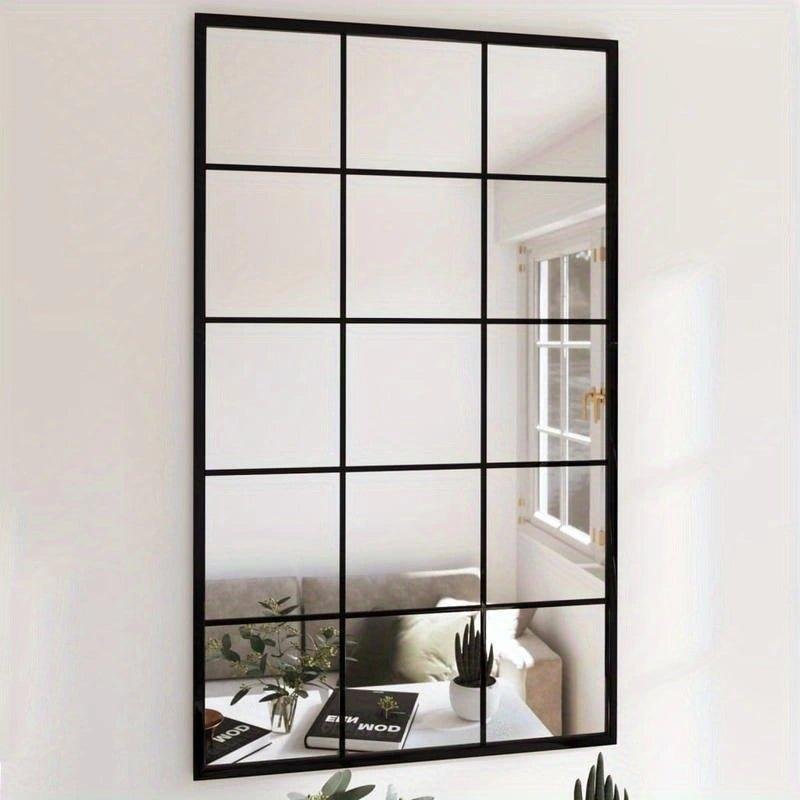
- Window type mirrors.
- Mirrors with metal frame.
- Organic mirrors.
- Compositions of small mirrors.
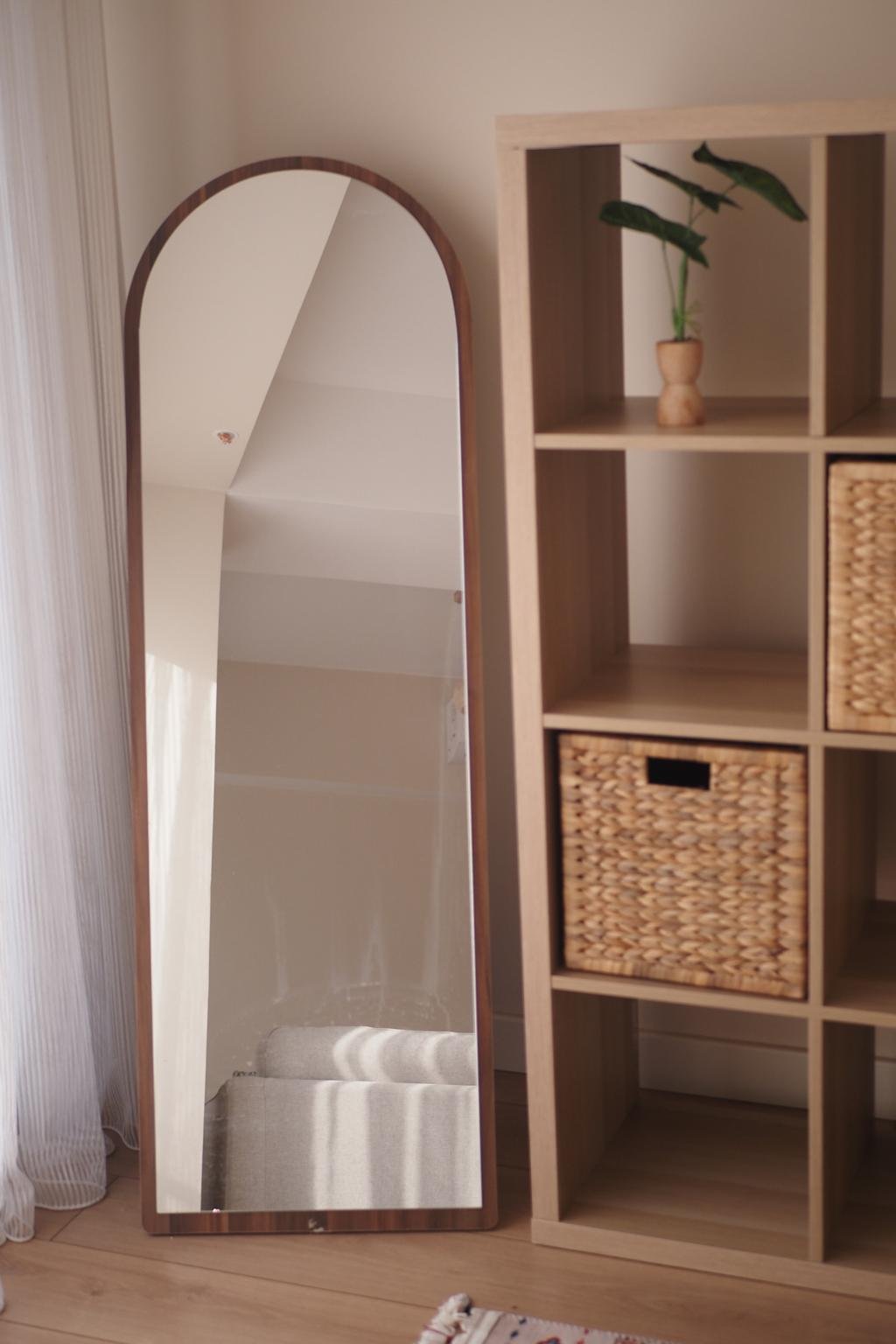
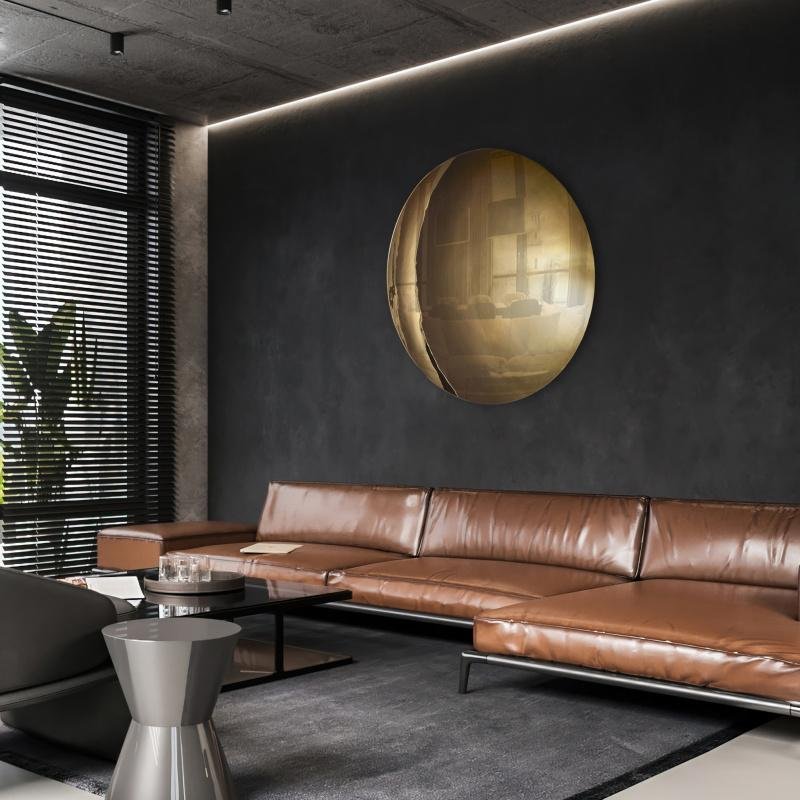
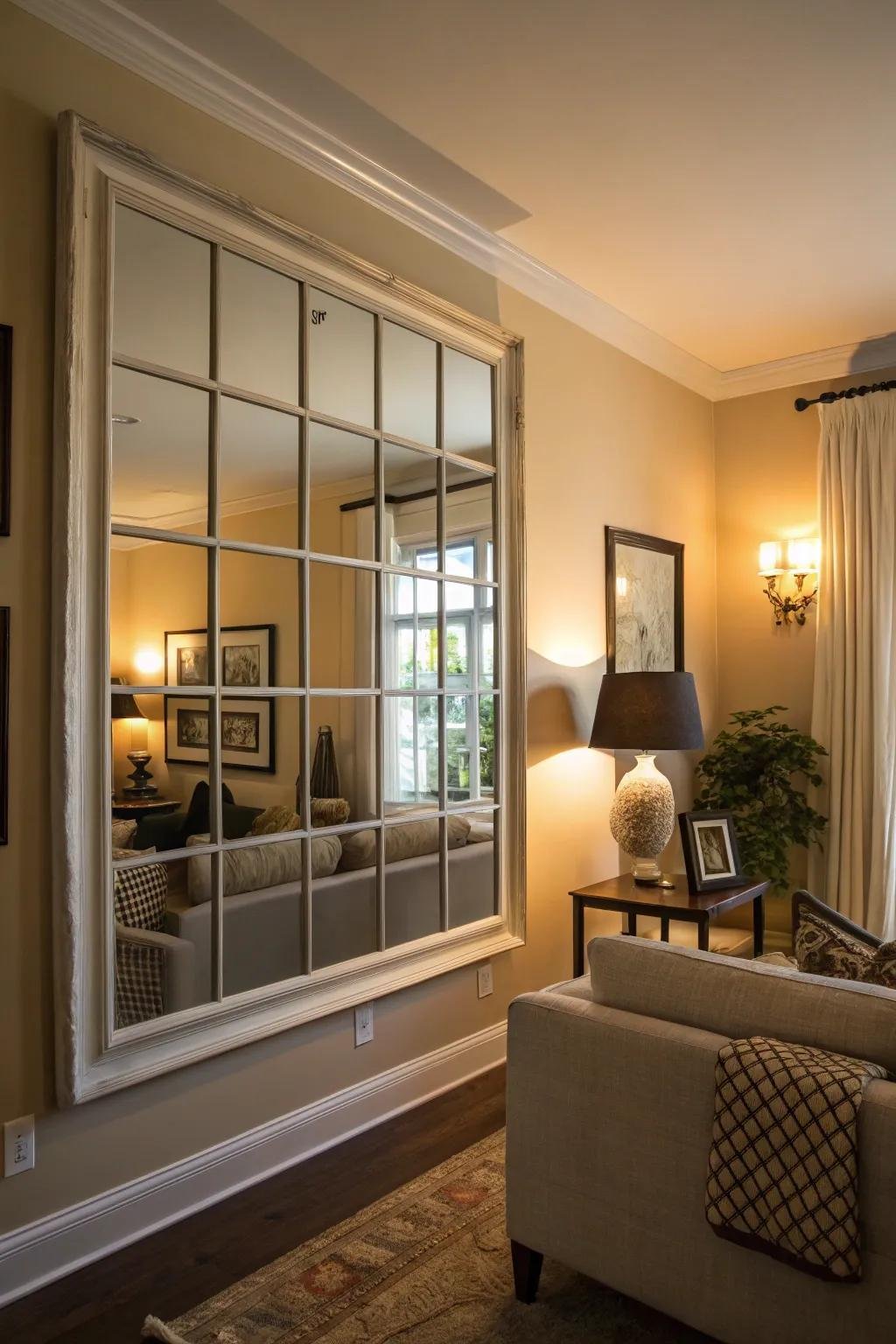
In my experience, round mirrors work very well in entryways, while large rectangular ones are ideal for living rooms.
Where to place decorative mirrors to make the most of them
Location changes absolutely everything.
Strategic locations
- In front of a window to double natural light.
- In the living room as a focal point.
- In narrow hallways to visually expand.
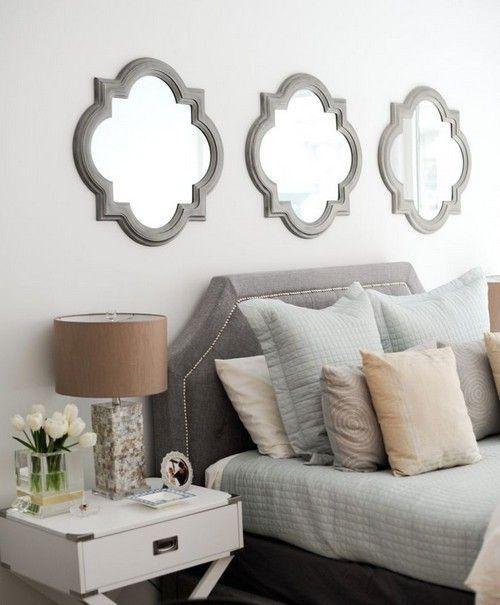
- In the bedroom above the headboard.
- At the entrance of the house.
Common error that I see a lot
Place a mirror without thinking about what it will reflect. This can completely ruin the visual effect.
Decorative mirrors for the living room
The living room is where mirrors really shine.

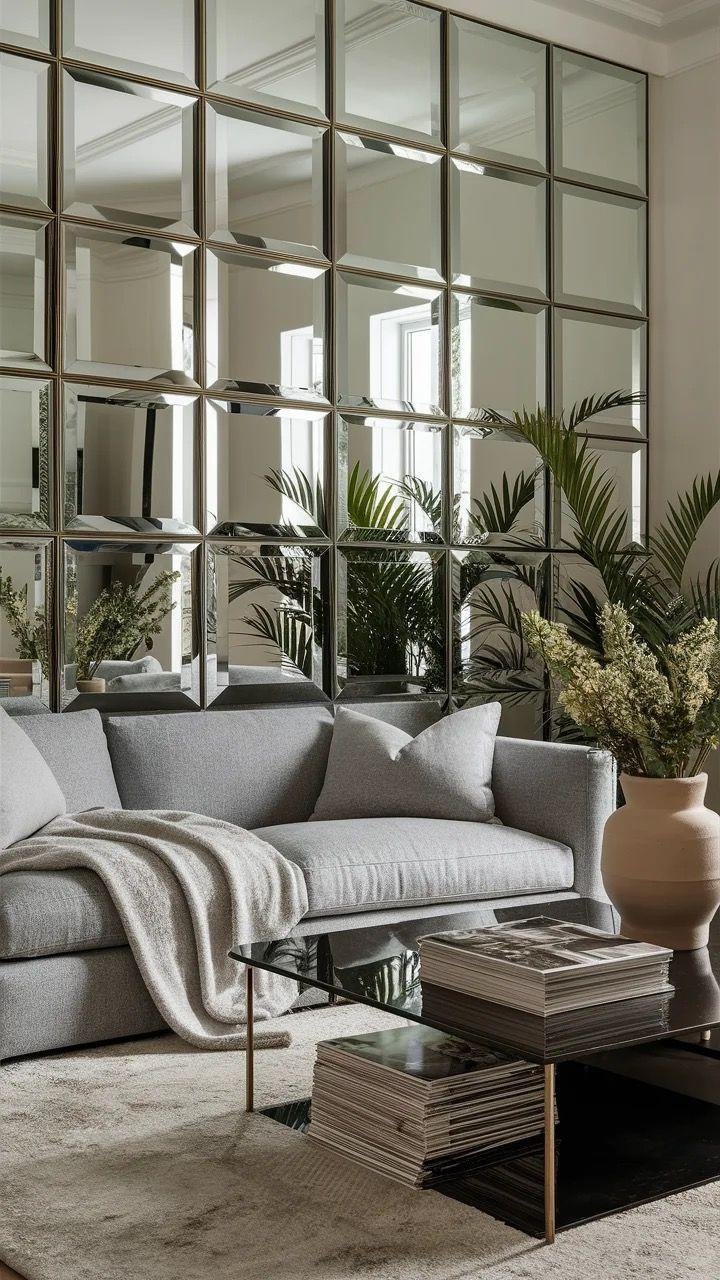

Ideas that always work
- Large mirror over the sofa.
- Modern style floor-standing mirror.
- Composition of small mirrors.
- Mirror with natural wood frame.
I have tried various combinations in real projects and there is always one constant: a well-placed mirror can even replace a decorative painting.
Decorative mirrors in bedrooms
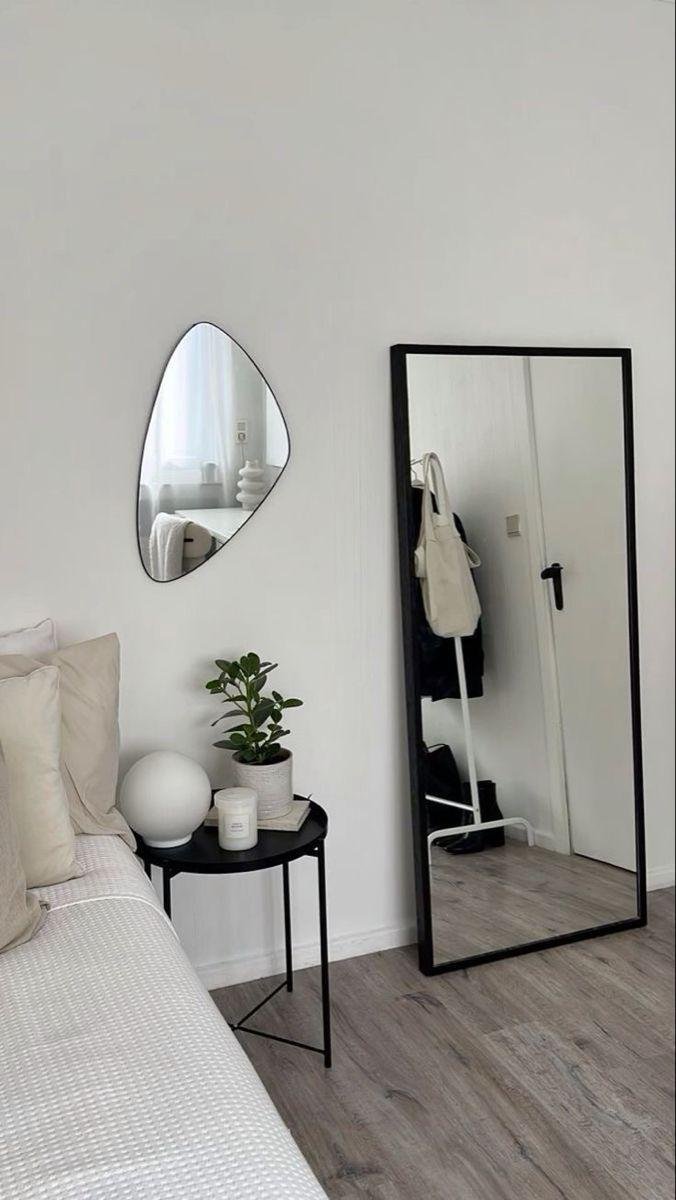
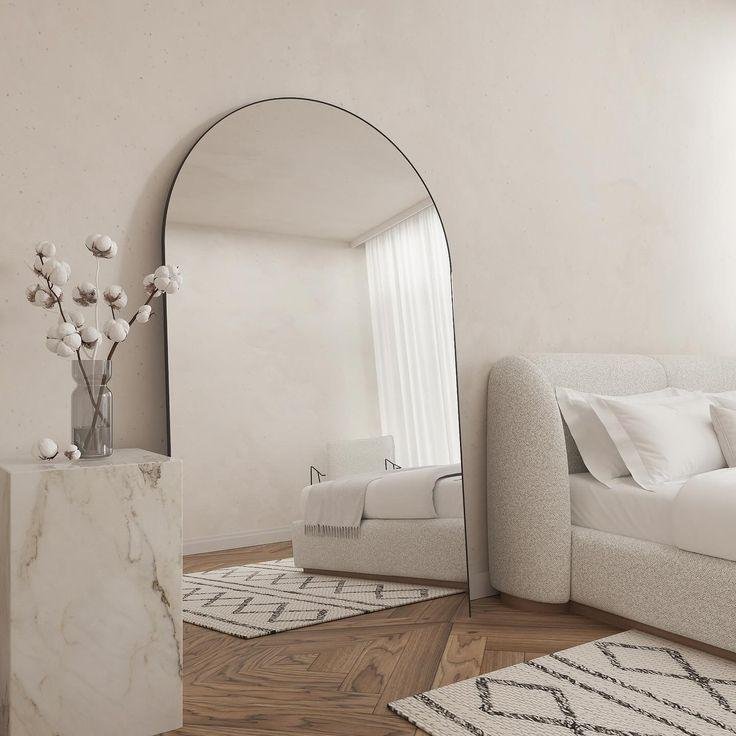
In the bedroom, mirrors fulfill a different function: providing calm, spaciousness and soft light.
Recommended Locations
- Above the headboard.
- On the side wall.
- Full length mirror.
- Wardrobes with mirrored doors.
In my experience, full-length mirrors in small bedrooms are almost a mandatory trick.
Decorative mirrors at the entrance of the house
The entrance is the first visual impact of the home.
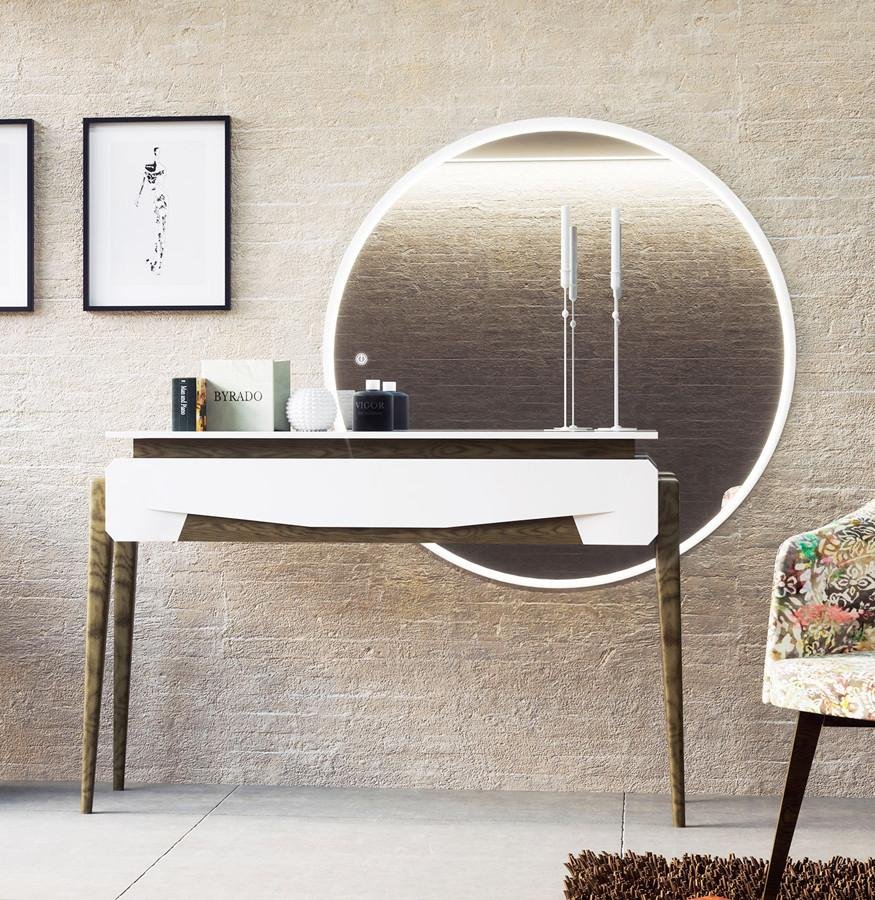
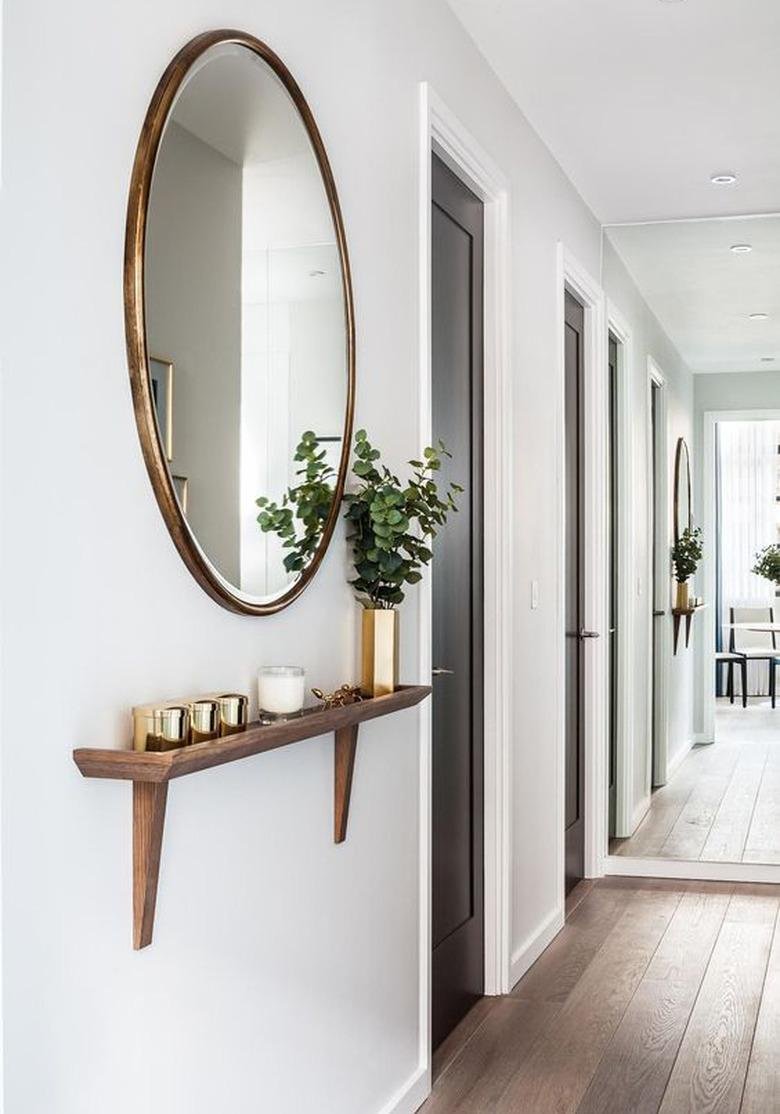
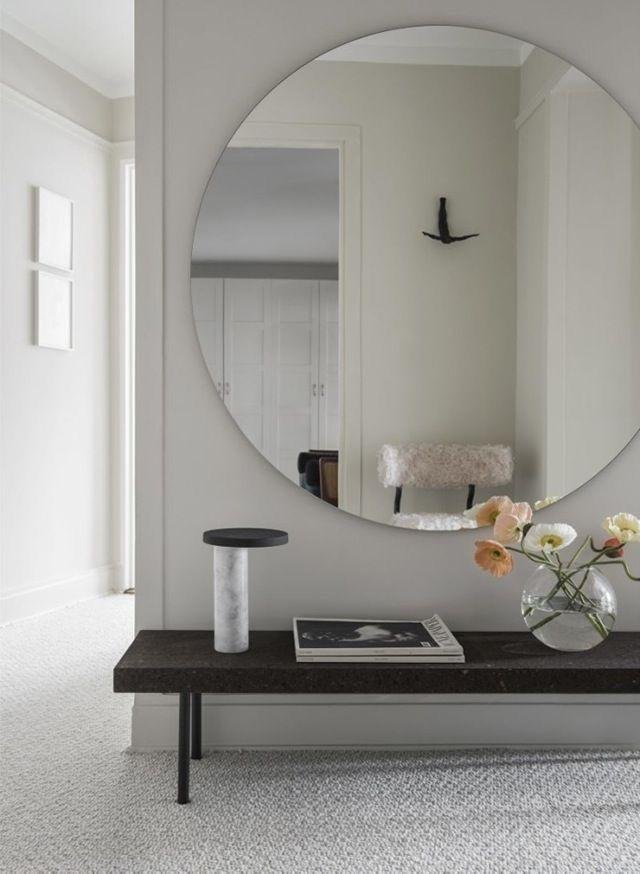
Ideas for modern entrances
- Round mirror on console.
- Mirror with integrated lighting.
- Composition of small mirrors.
- Vertical mirrors to increase height.
A mirror in the entrance not only decorates, it also makes the space feel more welcoming from the first second.
Decorative mirrors and a feeling of spaciousness
One of the greatest benefits of mirrors is their ability to visually “expand” spaces.
How they expand a space
- They reflect natural light.
- They visually double the depth.
- They break the rigidity of the walls.
- They eliminate the feeling of confinement.
Professional tip that I always apply
Placing a mirror in front of a light source is the quickest way to improve any room.
Most Popular Decorative Mirror Styles
Mirrors also follow design trends.
Current Styles
- Modern minimalist.
- Industrial with black metal.
- Organic with irregular shapes.
- N�Nordic with light wood.
- Vintage elegant.
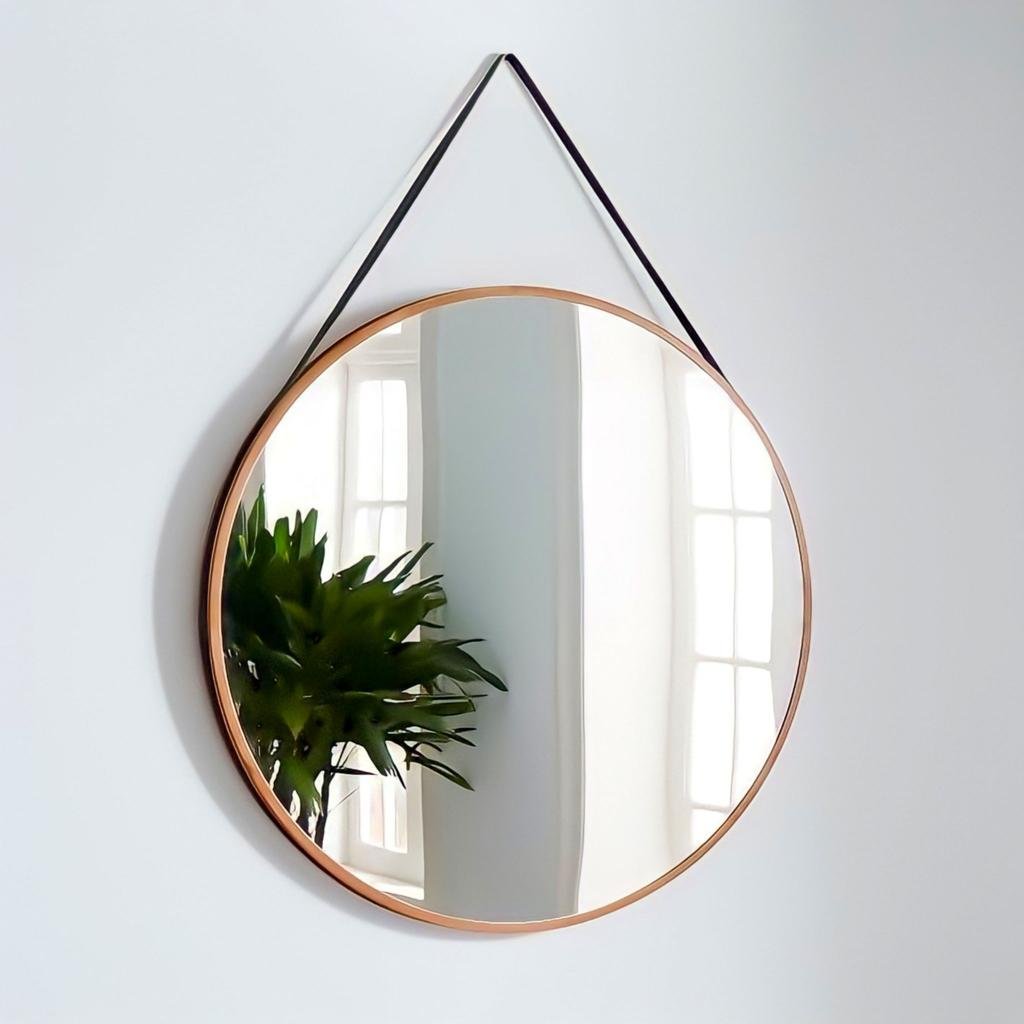
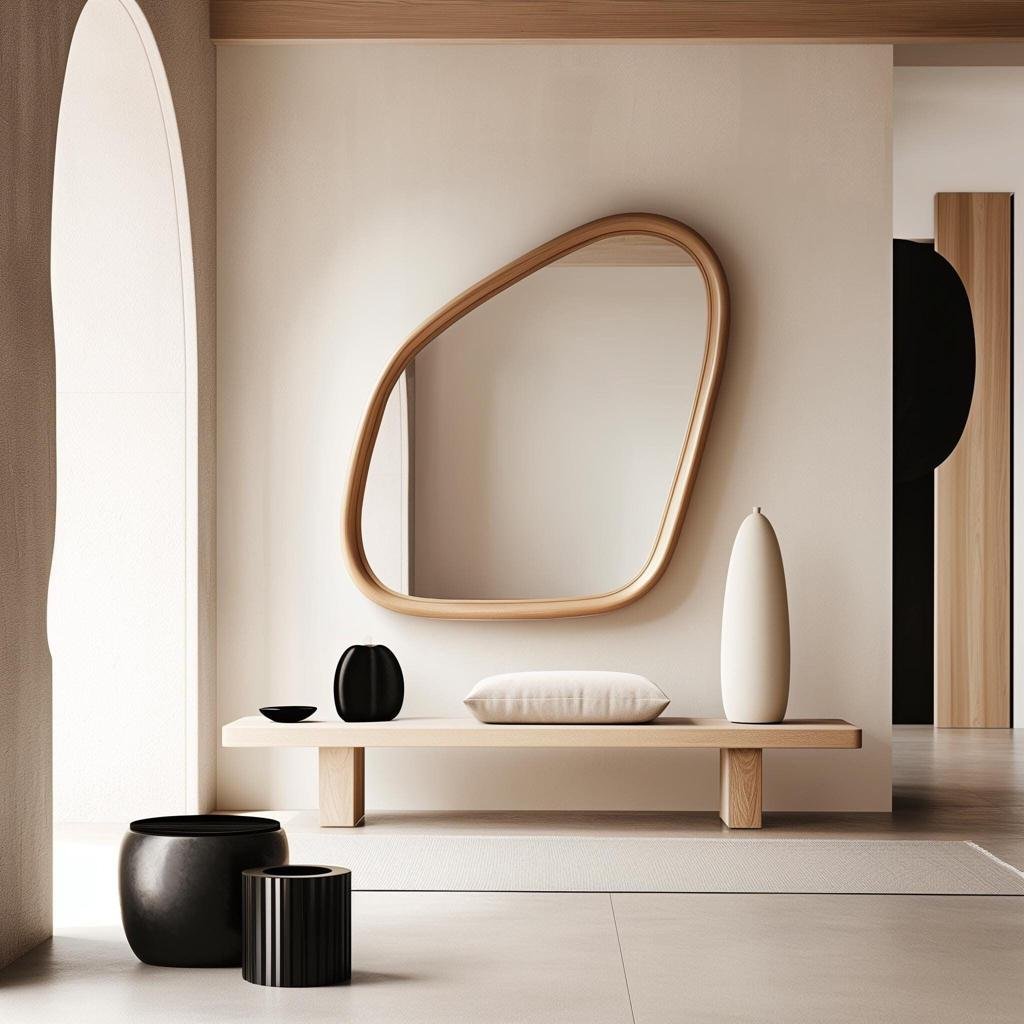
In my experience, organic mirrors are growing a lot because they provide visual softness without weighing them down.
How to combine decorative mirrors with other elements
A mirror should not be placed in isolation, but rather integrated into the overall design.
Good combinations
- Mirror + plants.
- Mirror + wooden console.
- Mirror + warm lighting.
- Mirror + minimalist paintings.
Balance is key: the mirror should complement, not compete.
Common mistakes when using decorative mirrors
I have seen many spaces whereThe mirror does not work due to simple errors.
Typical errors
- Placing mirrors that are too small.
- Reflect cluttered areas.
- Excessive mirrors on the same wall.
- Poor installation height.
- Frames that do not match the environment.
Cheap vs designer decorative mirrors
The price does not always define the final result.
Brands like Zara Home offer very careful designs, while on platforms like Amazon Decorative Mirrors you can find more affordable options.
In several projects I have seen inexpensive mirrors perform better than poorly placed expensive pieces.
Frequently Asked Questions about Decorative Mirrors
Where to place a mirror so that it expands the space more?
In front of windows or on walls where natural light reflects.
What type of mirror is best for the living room?
Large rectangular or large round mirrors.
Are decorative mirrors just aesthetic?
No, they also improve lighting and the feeling of spaciousness.
What shape of mirror is in fashion?
Round, organic mirrors are the most popular currently.
Can multiple mirrors be used together?
Yes, but they must be well balanced so as not to saturate the wall.
When a reflection changes the entire environment
After working with many spaces, I have learned something very clear: decorative mirrors are not an accessory, they are a real transformation tool.
It doesn’t matter if the space is small, dark or unattractive. With a well-placed mirror, you can change the entire perception of a room without moving a single wall.
YesIf I had to summarize it in a simple idea it would be this: it is not about the mirror itself, but about what it decides to reflect.