
Decorative paintings are one of those things that seem like a small detail… until you place them well and they change your entire house. I speak from experience: I have seen completely flat living rooms come to life with just one well-crafted wall, and simple bedrooms become spaces with identity just by choosing the right art.
After analyzing catalogs from specialized stores such as Cuadros y Lienzos, Dekoarte and great design references such as Desenio, in addition to working with different interior design styles, I have reached a clear conclusion: paintings are not secondary decoration, they are the visual soul of a space.
If you choose well, they can organize, balance and even “elevate” any room without the need for major renovations.
What decorative paintings really are and why they matter so much
Decorative paintings are not just pretty images on the wall. They are design tools that influence how we perceive a space.
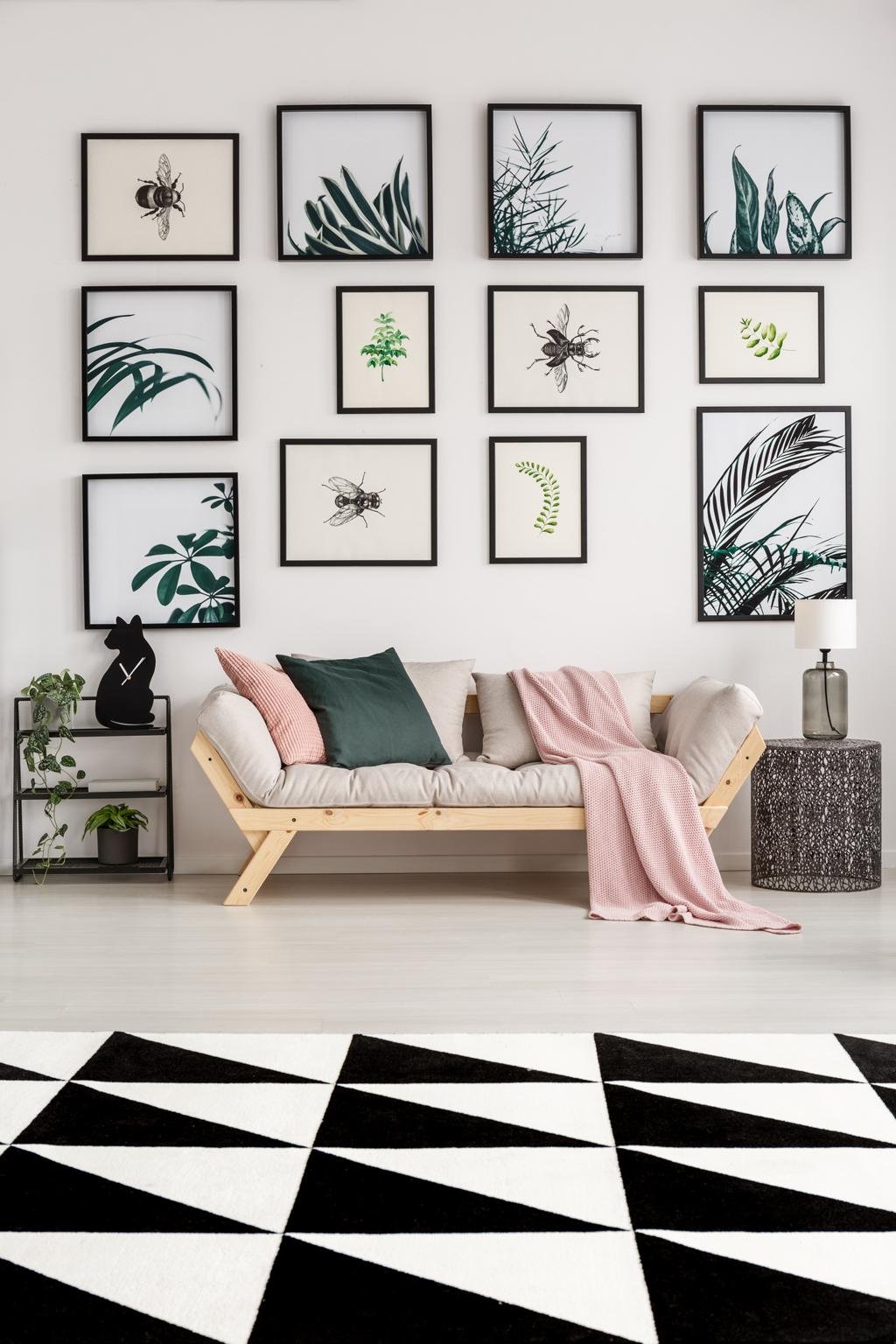
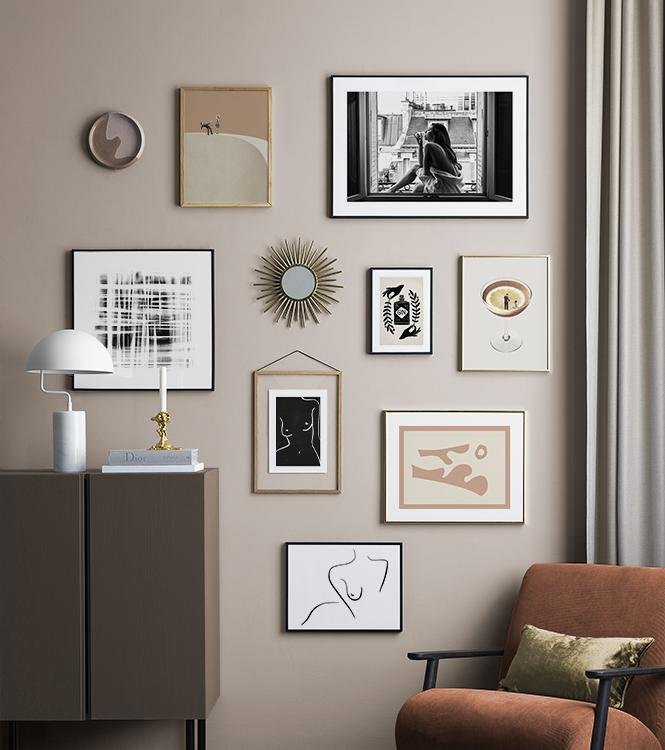
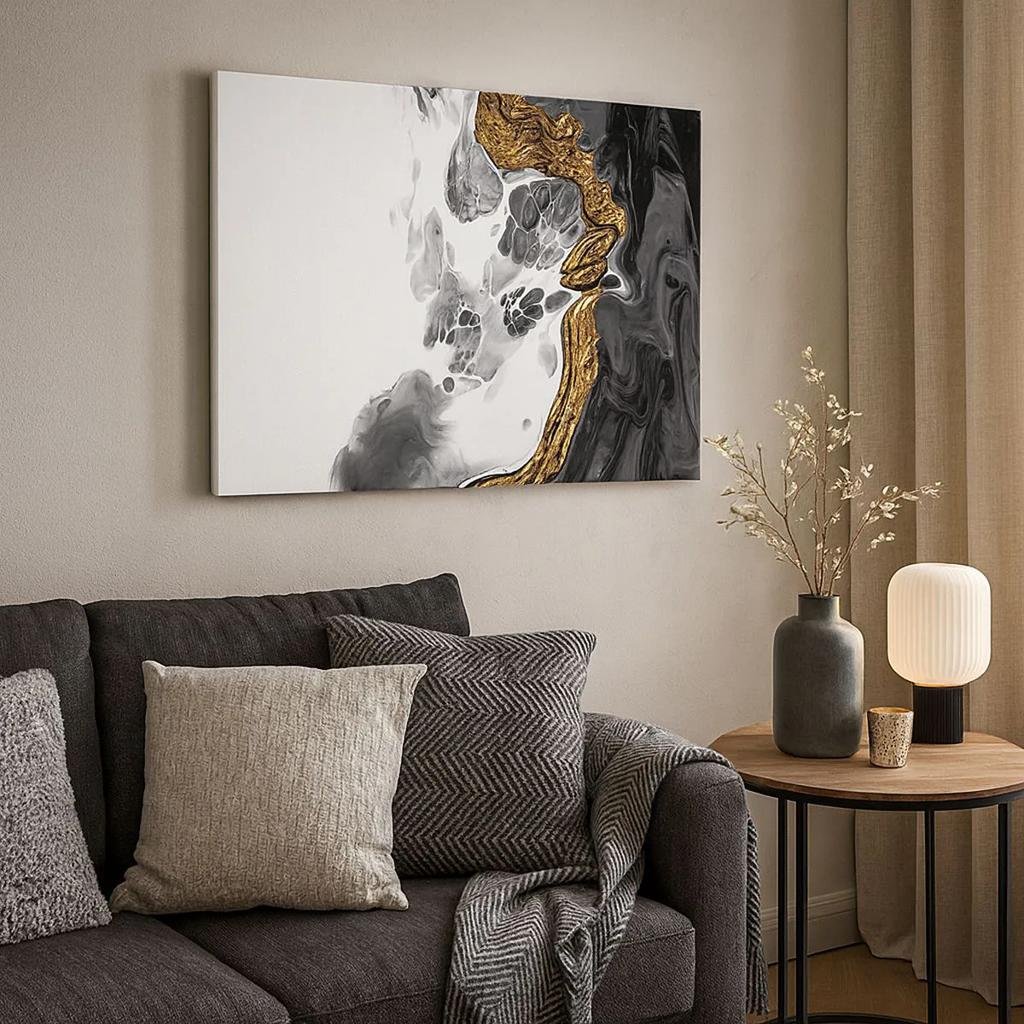
When I began to be interested in decoration, I underestimatedtotally lost its impact. But over time I understood that they can:
- Define the style of a room.
- Provide visual depth.
- Create focal points.
- Break empty walls.
- Connect colors from the environment.
A good painting can do more than a poorly chosen expensive piece of furniture.
Most popular decorative painting styles
Nowadays there is a huge variety of styles, but not all of them work the same in every home.
Currently most used styles
- Modern abstracts.
- Minimalist in black and white.
- Nature and botany.
- Geometric art.
- Nordic illustrations.
- Urban photographs.
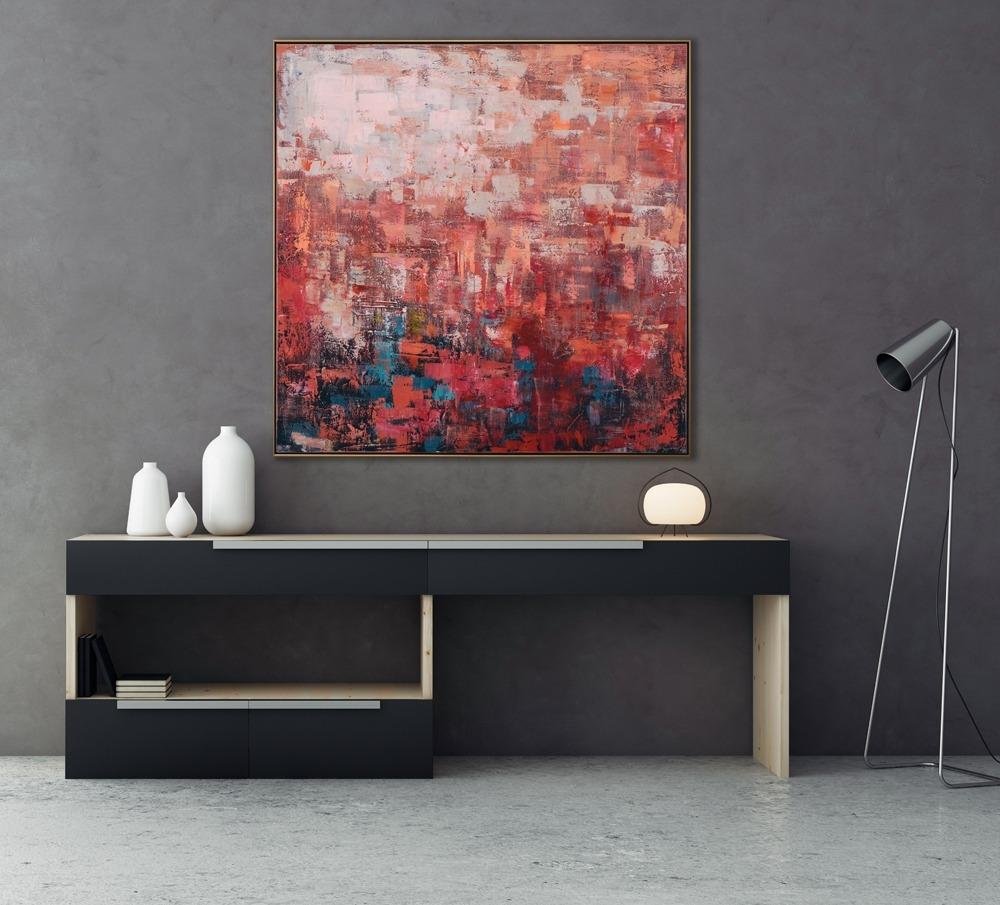
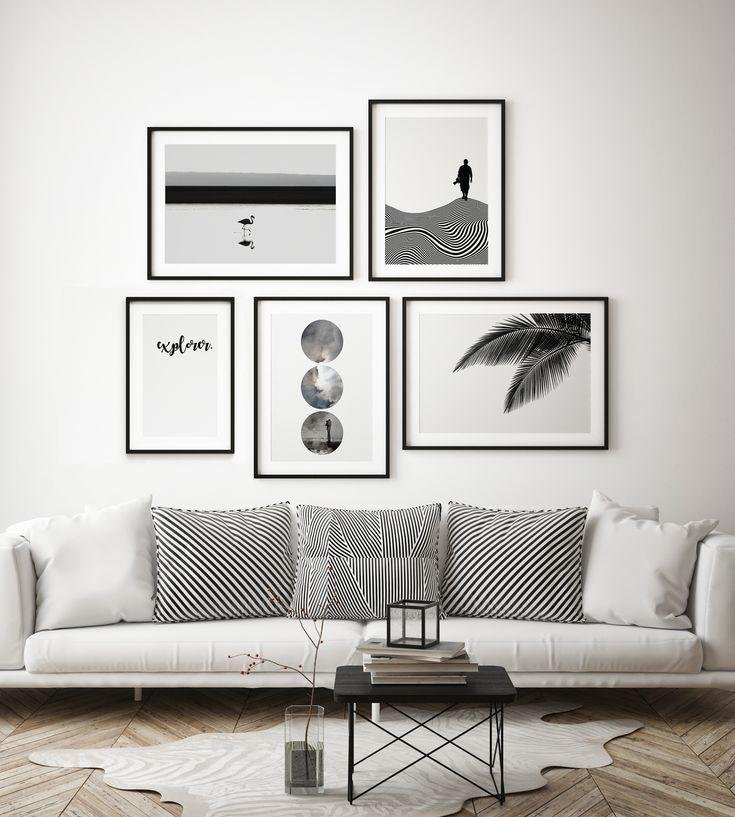
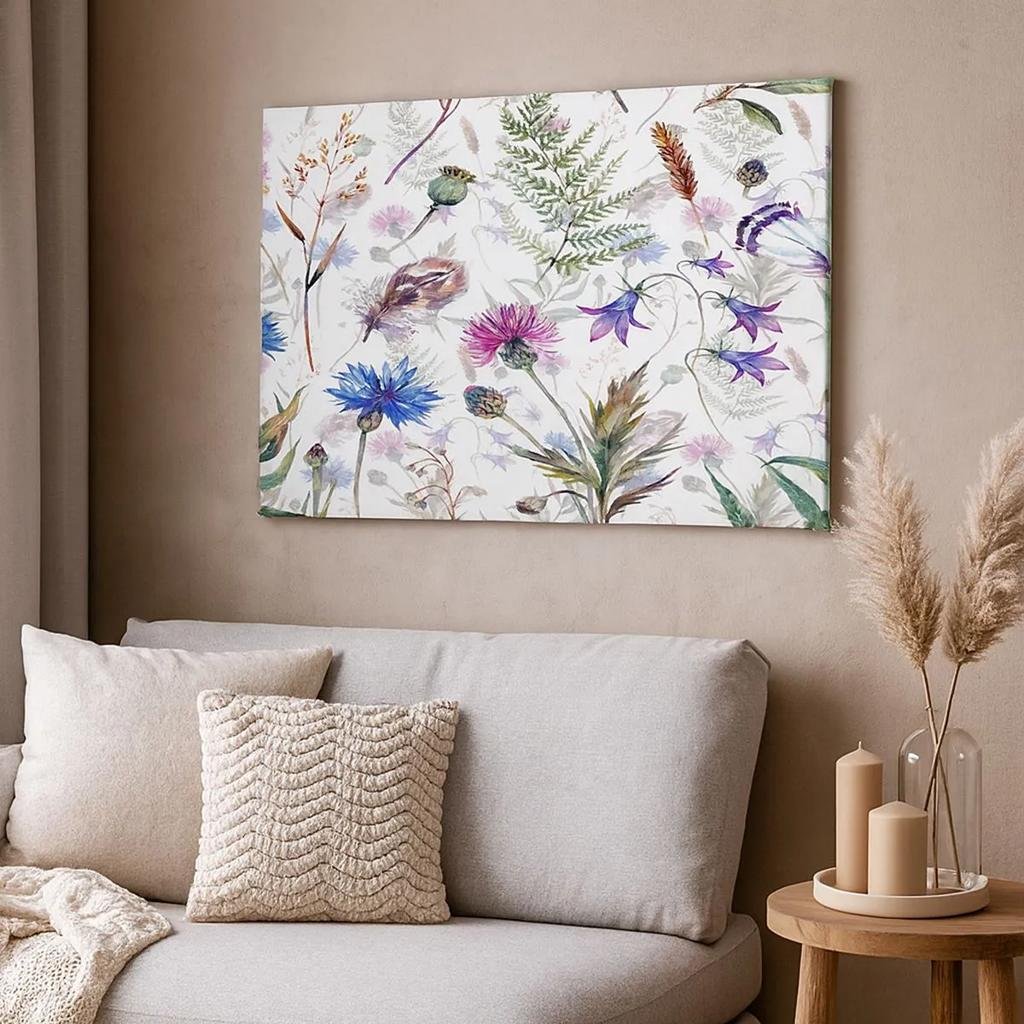
In my experience, abstracts work in almost any space, while botanicals provide a lot of visual calm, especially in bedrooms.
How to choose decorative paintings without making mistakes
Choosing paintings seems easy… until you are faced with hundreds of options.
Rules that always work for me
- Don’t buy without measuring the wall.
- Maintain color coherence with the space.
- Don’t mix too many styles.
- Think about the visual impact from afar.
- Less is more (really).
Errors that I see very often
- Pictures too small.
- Colors that don’t fit the room.
- Excess elements in a singlewall.
- Lack of proportion with the furniture.
Decorative paintings for the living room
The living room is where the paintings really shine.
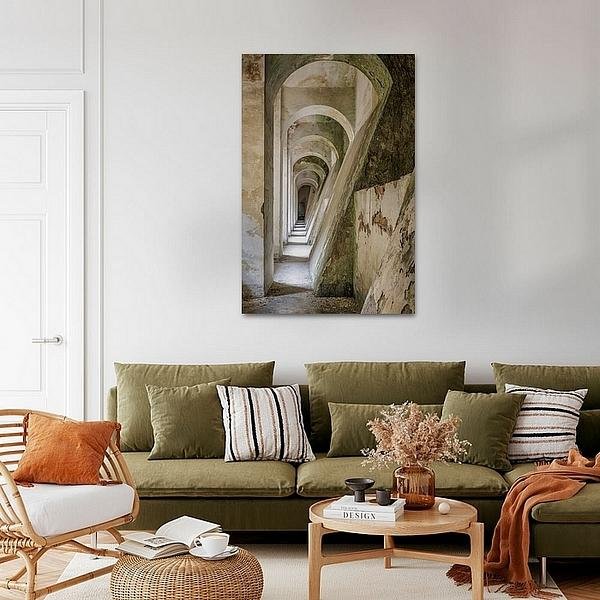
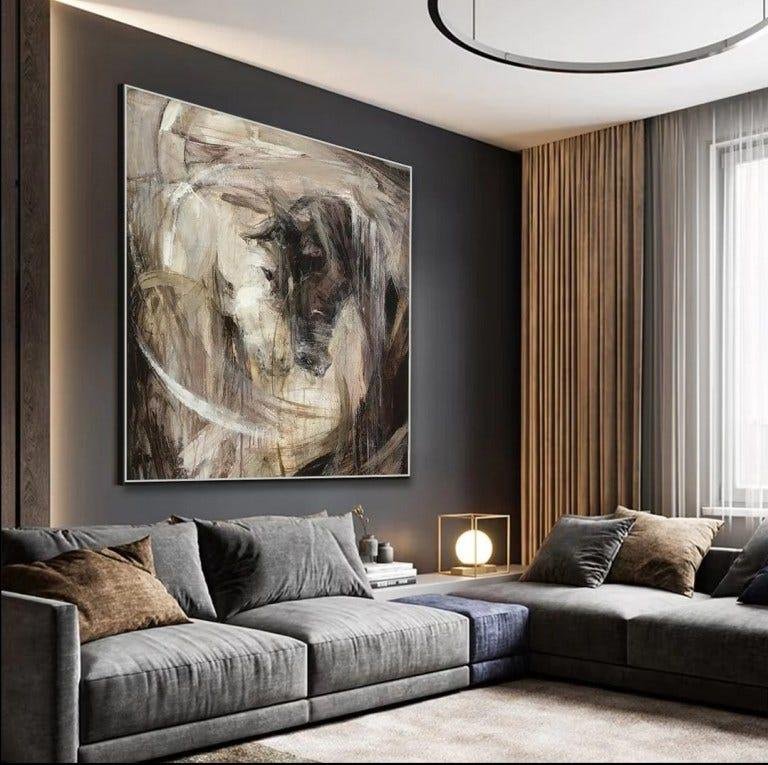
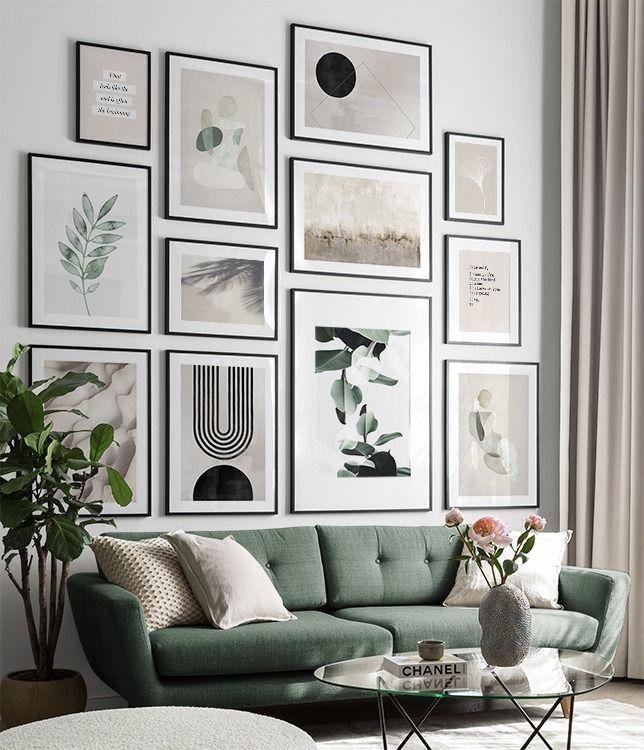
This is where I have experimented the most with compositions, and I can tell you something clear: a single large piece can be more powerful than five poorly organized small ones.
Ideas that work very well
- Large painting on the sofa.
- Composition of 2 or 3 aligned pieces.
- Gallery wall balanced.
- Abstract art with neutral colors.
Decorative paintings for bedroom
The bedroom needs another approach: more calm, less visual noise.
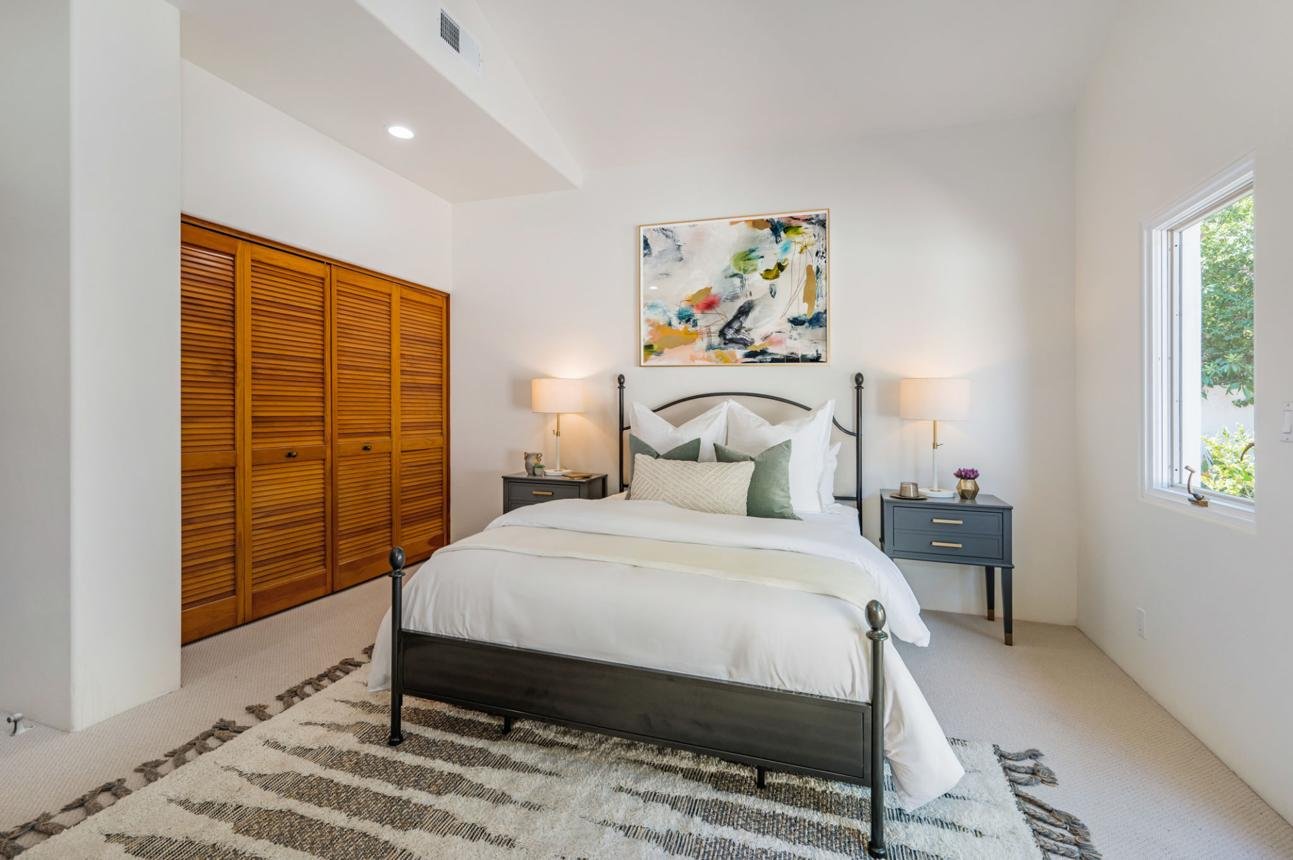

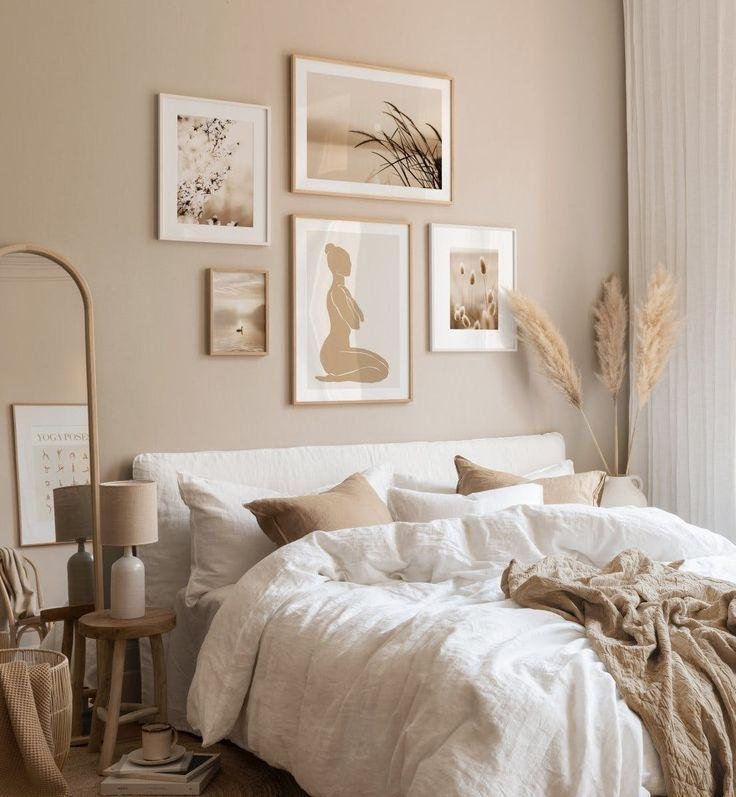
Styles that work best here
- Soft illustrations.
- Minimalist art.
- Beige, white and gray tones.
- Relaxing photographs.
In my case, I always recommend avoiding colors that are too intense in this area because they affect the feeling of rest.
Decorative paintings in the kitchen, hallway and forgotten areas
These areas are usually the most neglected… and the ones with the most potential.
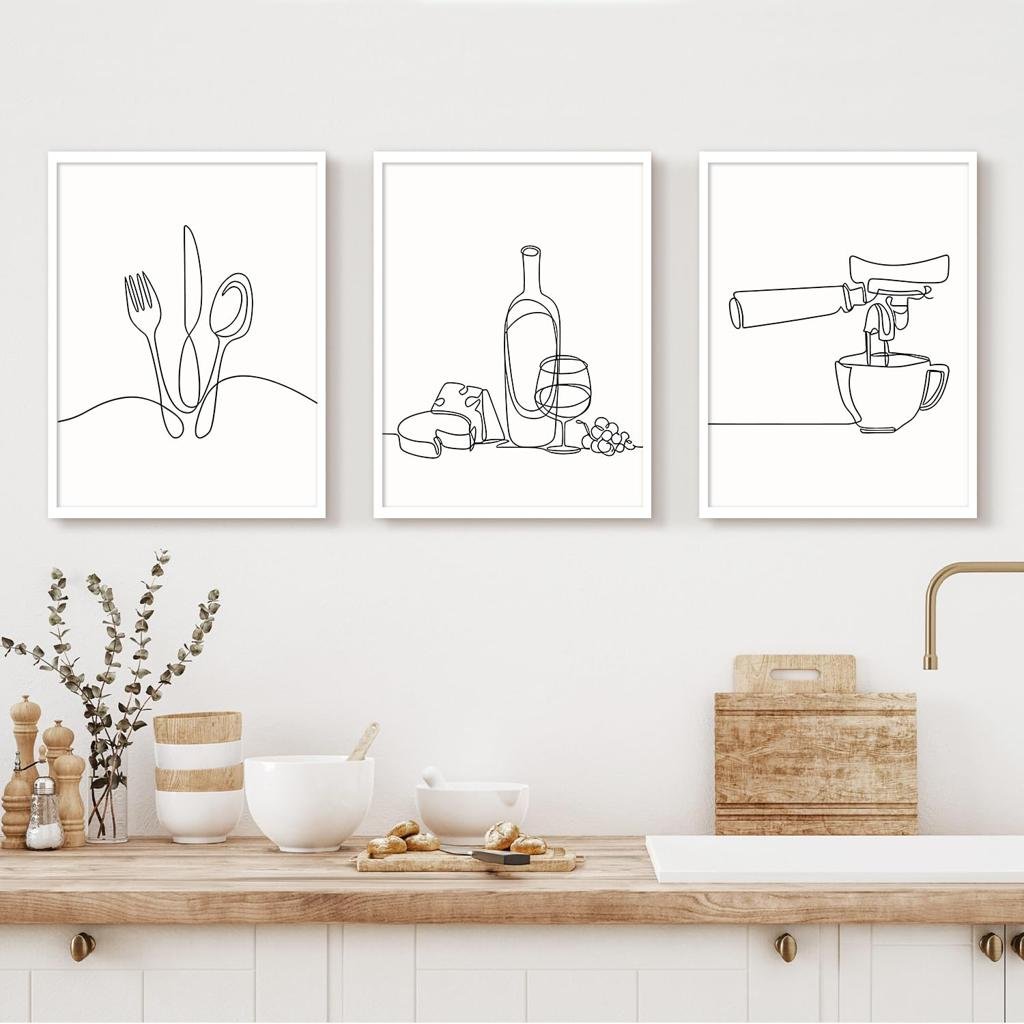
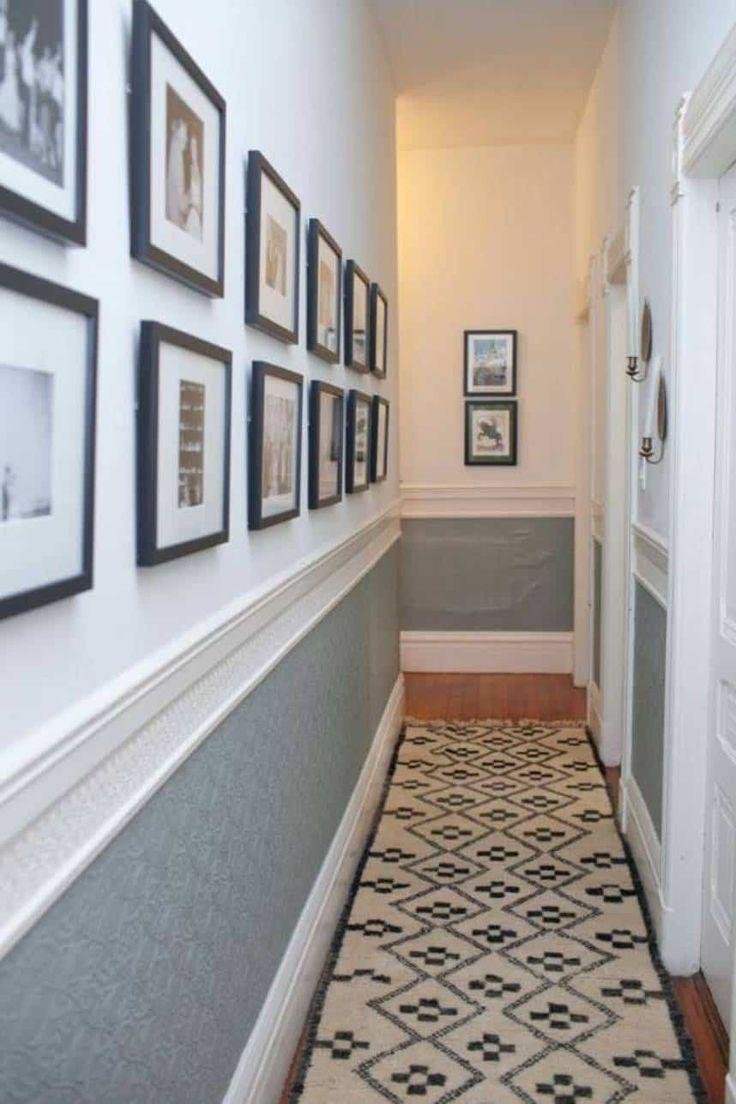
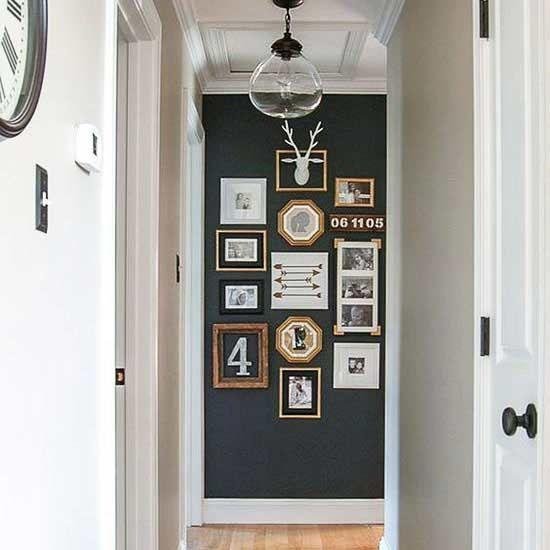
Quick Ideas
- Small paintings in narrow hallways.
- Phrases or typography in cooking.
- Series of repetitive mini paintings.
- Simple line art.
A well-decorated hallway can completely change the perception of a house.
Gallery wall: how to create compositions that work
Gallery walls are trendy, but they are also easy to ruin if not planned well.
Basic rules that I always use
- Defines a center point.
- Maintain uniform separation.
- Use similar or consistent frameworks.
- Mix sizes with balance.
- Plan on the floor before hanging.
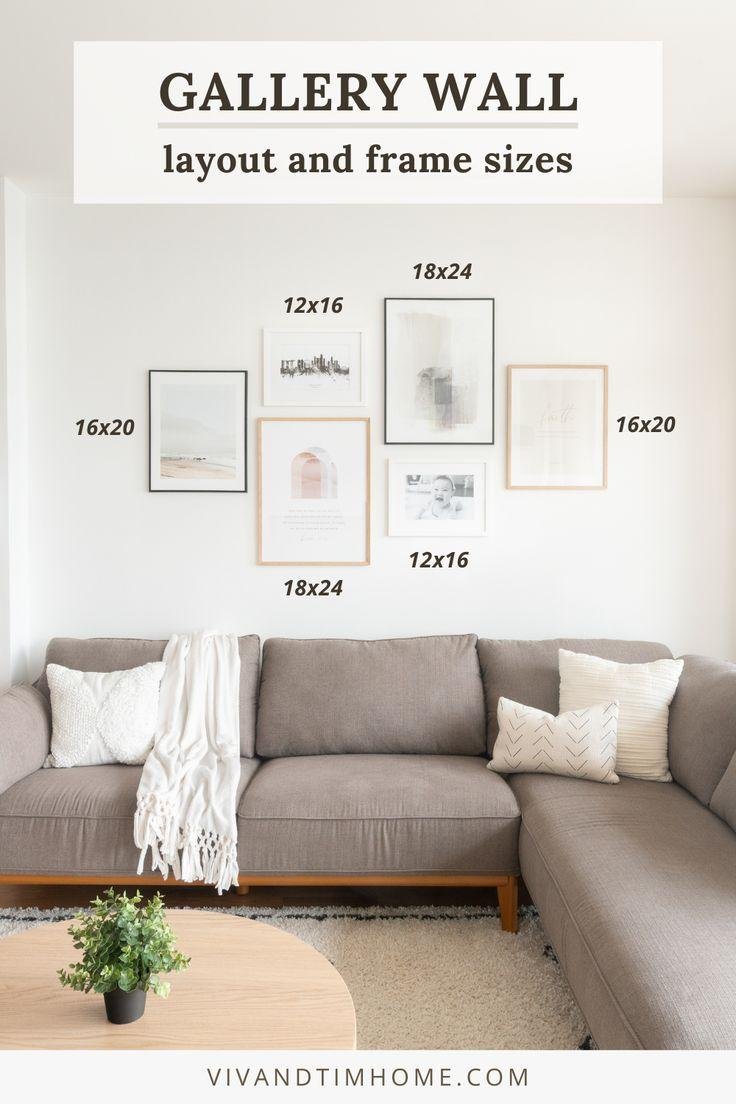
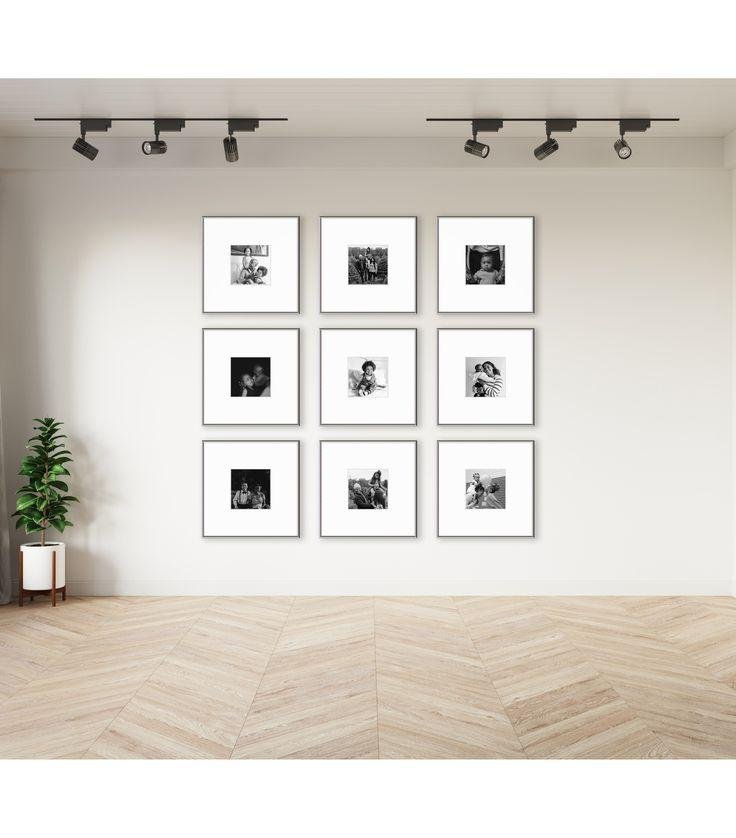
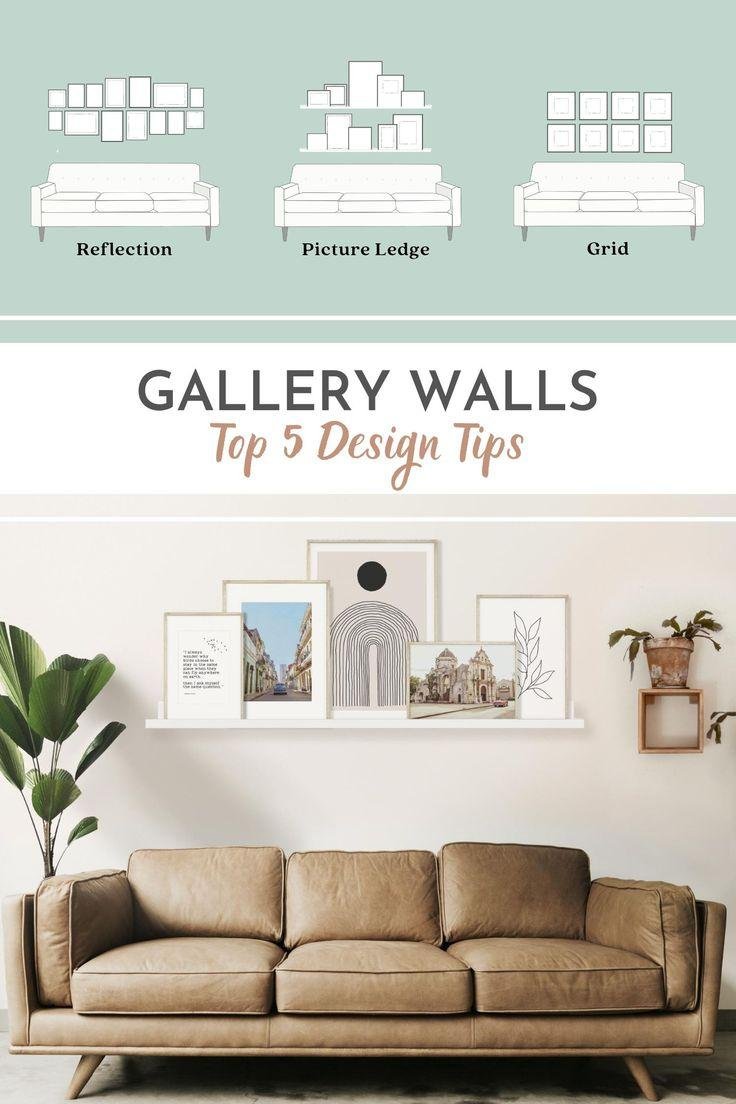
I have seen poorly made compositions that saturate thewall… and other very simple ones that look like something out of a magazine. The difference is in the order.
Trends in decorative paintings 2026
The world of decorative art is changing towards something more emotional and natural.
Strong trends currently
- Organic and natural art.
- Earthy and warm colors.
- Soft digital illustration.
- Emotional minimalism.
- Clean symmetrical compositions.
In the modern catalogs of brands like Desenio, this evolution towards the warmest and most human is very noticeable.
How to combine paintings with furniture and colors
This is the point where many people fail.
Keys that I always recommend
- The paintings must dialogue with the sofa or bed.
- Use repeated colors in small detailsis.
- Avoid visually competing with other large elements.
- Seek balance, not excessive prominence.
Common mistakes when decorating with paintings
I have seen these errors so many times that they are almost classics:
- Hang too high.
- Pictures too small for the wall.
- Mix styles without coherence.
- Ignore lighting.
- Overfill space.
Cheap vs premium decorative paintings
The price does not always determine the result.
Brands like Cuadros y Lienzos or Dekoarte offer very different options, but the important thing is not the cost, but how you integrate the piece into the space.
In many projects I have seen inexpensive frames perform better than poorly placed expensive pieces.
Frequently Asked Questionsbre decorative paintings
Where to place paintings in the living room?
On the sofa or on main walls where there is a visual impact.
What size decorative paintings should I choose?
It depends on the wall, but they should always be in proportion to the furniture.
How many paintings to use on one wall?
From a large one to compositions of 3 to 9 balanced pieces.
What style of paintings is in fashion?
Abstract, minimalist and organic art is the most current.
Is it better to have one large painting or several small ones?
It depends on the space, but a large painting usually gives more visual elegance.
When an empty wall stops being boring
After working with many different spaces, there is something that always repeats itself: empty walls are not a problem, they are an opportunityd.
Well-chosen decorative paintings not only decorate, but organize, balance and give personality to any room. Whether it’s a large living room, a small bedroom or a narrow hallway, there’s always a way to turn a wall into something with intention.
If I had to summarize it in a simple idea, it would be this: don’t choose paintings to fill walls, choose them to tell something.