
Decorative plants and flowers have something special that no other decorative element can offer. They are capable of instantly transforming a space, providing freshness, improving the visual environment and creating a connection with nature that makes any home more welcoming.

Rustic Decoration: How to Create Warm, Cozy and Timeless Spaces

Decoration Trends 2026: The Ideas That Are Transforming Modern Homes

Scandinavian Style: The Complete Guide to Creating Bright, Functional and Cozy Spaces

Floating Shelves: How to Transform Your Walls into Useful, Modern and Stylish Spaces
Bathroom shelves: how I turned a small, lifeless bathroom into a tidy, modern and functional space

Kitchen Shelves: How to Organize, Decorate and Optimize your Space like a Professional

Boho Style: The Definitive Guide to Creating Spaces Full of Personality and Freedom
Decorative Mirrors: How to Transform Your Home with Light, Spaciousness and Style
Round Mirrors: How to Use Them to Transform Your Home with Style, Light and Balance
I remember that for a long time I decorated with paintings, mirrors and modern accessories, but I felt like something was missing. The day I added my first large indoor plants I understood the difference. The room seemed more alive, more elegant and much more relaxing. Since then, decorative plants and flowers have become an essential part of any decorating project I do.
If you are looking for ideas to decorate with plants, discover the best species for interiors or learn how to combine decorative flowers in different environments, here you will find inspiration for every corner of your home.
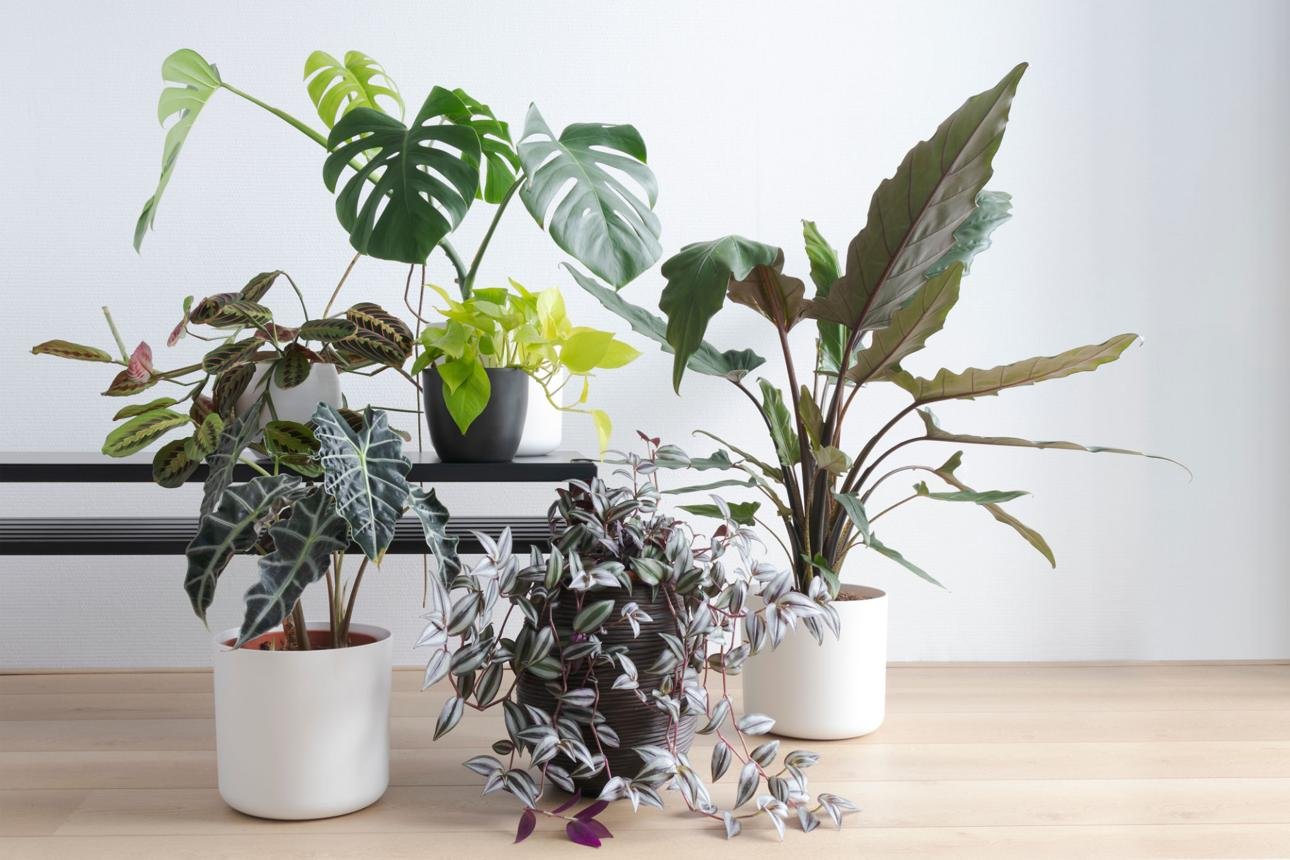

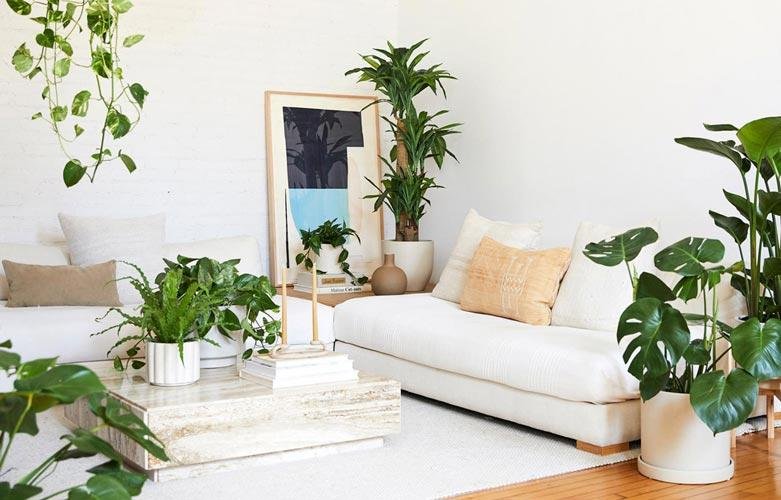
Why decorate with plants and flowers?
Current decoration trends are increasingly betting on natural elements.
Decorative plants offer multiple benefits:
- They provide visual freshness.
- They create relaxing environments.
- They add color and texture.
- They complement any decorative style.
- They improve the feeling of well-being.
- They help fill empty spaces in an elegant way.
In addition, both natural and artificial plants can be easily integrated into any room.
Decorative indoor plants
Some species have become true protagonists of interior design.
Monstera Deliciosa
With its large perforated leaves, it provides a tropical and modern look.
Ideal for:
- Rooms.
- Offices.
- Luminous corners.
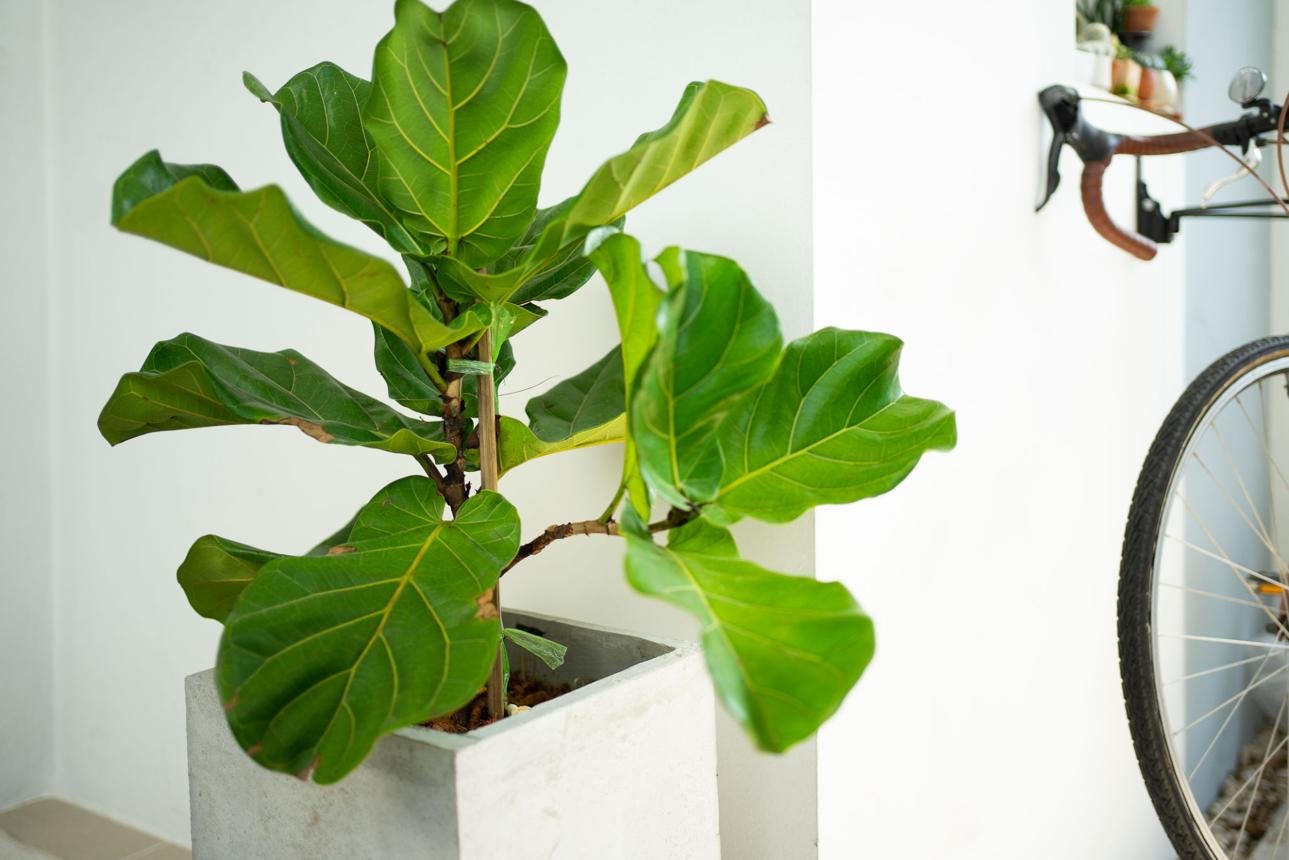
Ficus Lyrata
Also known as fiddle leaf fig.
Featured by:
- Elegant bearing.
- Great visual presence.
- Sophisticated style.
Sansevieria
Perfect for beginners.
Advantages:
- Low maintenance.
- Great resistance.
- Modern design.
Pothos
One of the most popular hanging plants.
Brings movement and naturalness to any space.


Decorative flowers for the home
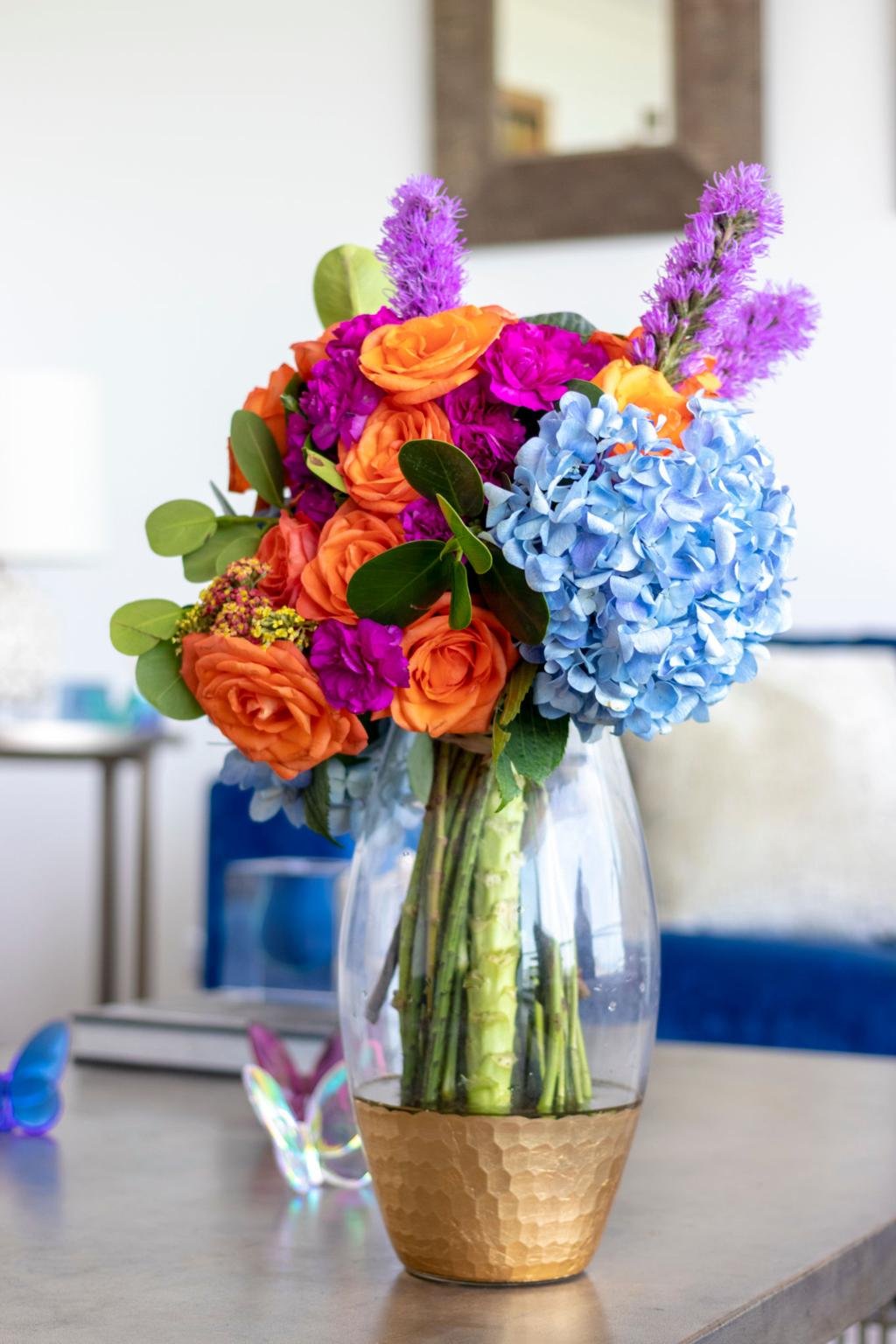
Flowers add color, delicacy and personality.
Natural flowers
They are ideal for:
- Centerpieces.
- Dining rooms.
- Receivers.
- Bedrooms.
The most commonly used include:
- Roses.
- Hydrangeas.
- Lilies.
- Tulips.
- Peonies.
Artificial flowers
Modern artificial flowers have evolved enormously.
Currently highlighted by:
- Realistic appearance.
- Durability.
- Easy mmaintenance.
- Wide variety of designs.
How to decorate the living room with plants and flowers
The living room is usually the perfect space to incorporate vegetation.
Large plants
Tall plants help fill empty corners.
Some popular options:
- Ficus.
- Areca Palm.
- Monstera.
- Bird of paradise.
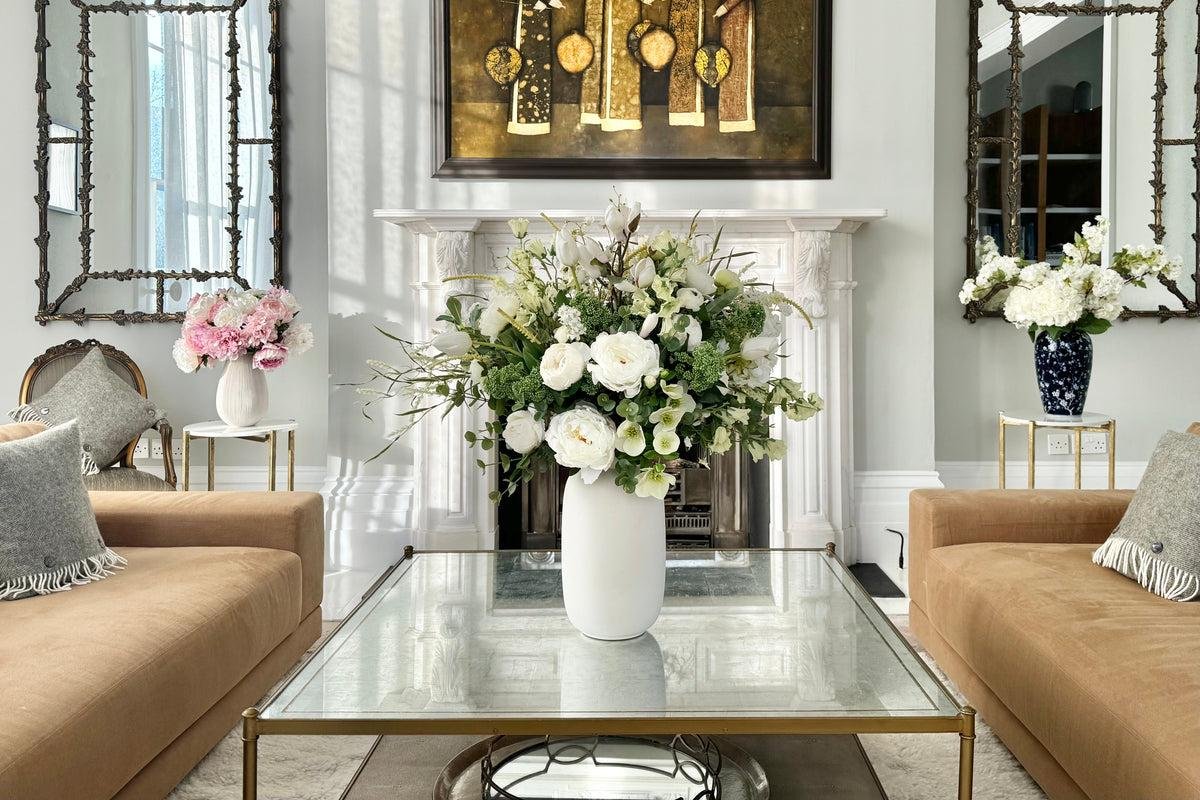
Floral centerpieces
A floral composition can become the focal point of the room.
Shelves decorated with plants
Small plants provide dynamism and visual balance.


Decorative plants for bedrooms
Rooms also benefit greatly from the presence of greenery.
Nightstands
Small plants work especially well in these spaces.
Hanging plants
They provide visual lightness and take advantage of vertical areas.
Reading corners
A well-placed plant can turn an ordinary corner into a cozy space.
Decoration with plants in kitchens
Modern kitchens increasingly integrate natural elements.
Aromatic herbs
In addition to decorating, they offer practical utility.
The most popular are:
- Basil.
- Rosemary.
- Mint.
- Parsley.
Green shelves
A small collection of plants can bring life to even the most minimalist kitchens.
Decorative flowers for events and special occasions
Flowers also play an important role in temporary decorations.
Frequently used in:
- Weddings.
- Birthday.
- Family celebrations.
- Seasonal decoration.
The right combination of colors can completely transform any environment.
Artificial plants: advantages and disadvantages
Artificial plants have become a very popular alternative.
Advantages
- They do not require irrigation.
- They maintain their appearancefor years.
- Suitable for dark spaces.
- Ideal for people with little time.
Disadvantages
- They don’t offer the same natural feel.
- They accumulate dust.
- Some budget versions may seem unrealistic.
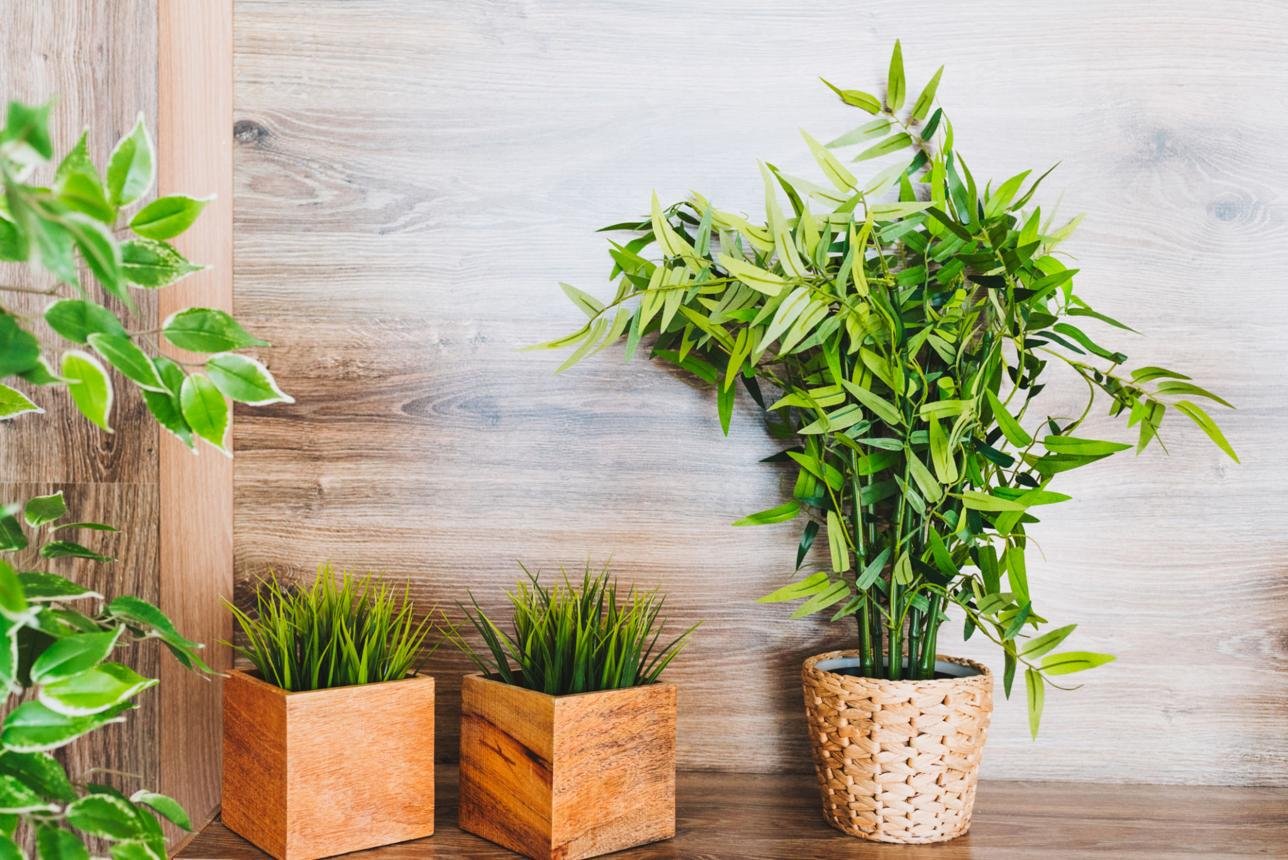

Current trends in decoration with plants and flowers
Most popular trends include:
Interior gardens
More and more people are allocating specific spaces to create small green oases.
XXL Plants
Large species dominate current trends.
Decorative pots
Containers have become as important as the plants themselves.
Dried flowers
Decorating with pampas grass, dried eucalyptus and preserved arrangements continues to gain popularity.
How to choose the best decorative plants
Before purchasing, I recommend considering several factors.
Amount of available light
Not all plants have the same needs.
Available space
Large species can become visual protagonists.
Maintenance time
It is important to choose options that fit your routine.
Decorative style
Plants should complement the overall design of the home.
Common mistakes when decorating with plants and flowers
Over time I have observed some common errors.
Choosing too many different species
Excessive variety can create visual clutter.
Ignore light needs
A bad location usually affects the appearance of plants.
Using inappropriate pots
The container is part of the decoration.
Saturate spaces
Plants should complement the environment, not completely dominate it.
Inexpensive ideas to decorate with plants and flowers
It is not necessary to spend large amounts of money.
Some simple ideas include:
- Create compositions with small plants.
- Use cuttings to multiply species.
- Decorate with dried flowers.
- Reuse old pots.
- Incorporate hanging plants.
- Create small vertical gardens.
Frequently asked questions about decorative plants and flowers
What are the best decorative plants for indoors?
Monstera Deliciosa, Ficus Lyrata, Sansevieria and Pothos are some of the most popular.
Which decorative flowers last the longest?
Hydrangeas, preserved flowers, and many modern artificial flowers offer great durability.
Are artificial plants a good option?
Yes, especially in low light spaces or for people looking for low maintenance.
How to decorate a small room with plants?
Using vertical, hanging plants and compact species that do not saturate the space.
What trend is currently dominating?
Large plants, indoor gardens and dried flowersThese are some of the most notable trends.
There is something that never fails in decoration: when a room incorporates well-chosen decorative plants and flowers, it immediately transmits more life and personality. It doesn’t matter if you prefer lush natural species or quality artificial arrangements; Vegetation has the ability to soften spaces, add color and create environments where it is always pleasant to spend time.